When we think about presence, we often picture a serene moment, perhaps a quiet sunrise or a peaceful afternoon spent in nature. However, presence is much more than just a fleeting experience; it’s a state of being that allows us to fully engage with our lives and the world around us. It’s about immersing ourselves in the here and now, rather than getting lost in the chaos of our thoughts or the distractions of our environment.
In essence, presence is the art of being fully aware and attentive to our current experience, which can lead to deeper connections with ourselves and others. As we delve deeper into the concept of presence, we realize that it’s not just about mindfulness or meditation; it’s a way of living. When we cultivate presence, we open ourselves up to the richness of our experiences.
We begin to notice the subtleties in our surroundings—the sound of laughter, the warmth of sunlight on our skin, or the taste of our favorite meal. This heightened awareness can transform mundane moments into extraordinary ones, allowing us to appreciate life in all its complexity. By understanding presence as a practice rather than a destination, we can begin to integrate it into our daily lives.
Tips for staying present in everyday activities
Staying present in our everyday activities can sometimes feel like an uphill battle. With the constant barrage of notifications, responsibilities, and distractions, it’s easy to find ourselves drifting away from the moment. However, there are simple yet effective strategies we can adopt to anchor ourselves in the present.
One of the most powerful techniques is to engage our senses. By consciously tuning into what we see, hear, smell, taste, and touch, we can ground ourselves in the here and now. For instance, when we eat, we can take a moment to savor each bite, noticing the flavors and textures rather than rushing through the meal.
Another helpful tip is to practice gratitude throughout our day. By taking a few moments to acknowledge what we are thankful for—whether it’s a warm cup of coffee in the morning or a friendly smile from a stranger—we can shift our focus from what’s lacking in our lives to what is abundant. This simple act can help us cultivate a sense of presence and appreciation for our current circumstances.
Additionally, setting aside specific times during the day to check in with ourselves can be beneficial. Whether it’s through deep breathing exercises or short moments of reflection, these intentional pauses can help us reconnect with our surroundings and ourselves.
Practicing mindfulness in daily routines

Incorporating mindfulness into our daily routines doesn’t have to be complicated or time-consuming. In fact, it can be as simple as infusing our regular activities with intention and awareness. For example, when we brush our teeth, we can focus on the sensation of the toothbrush against our gums and the taste of the toothpaste rather than letting our minds wander to our to-do lists.
By bringing mindfulness into these small moments, we create opportunities for presence throughout our day. Moreover, we can transform mundane tasks into mindful practices by slowing down and paying attention. When we wash dishes, we can feel the warmth of the water and notice the rhythm of our movements.
When we walk, we can pay attention to each step and how our feet connect with the ground beneath us. These small shifts in perspective allow us to experience life more fully and cultivate a sense of peace amidst the busyness of our routines. By making mindfulness a habit in our daily lives, we not only enhance our own well-being but also create a ripple effect that positively impacts those around us.
Techniques for staying grounded and focused
Staying grounded and focused in a world filled with distractions requires intentionality and practice. One effective technique is to establish a daily grounding ritual that helps us reconnect with ourselves. This could be as simple as spending a few minutes each morning in silence, focusing on our breath, or engaging in gentle stretching exercises.
By starting our day with this mindful practice, we set a tone of presence that carries through the rest of our activities. Another powerful technique is to utilize visualization. When we find ourselves feeling overwhelmed or scattered, we can take a moment to close our eyes and visualize ourselves standing firmly on solid ground—like a tree with deep roots anchoring us to the earth.
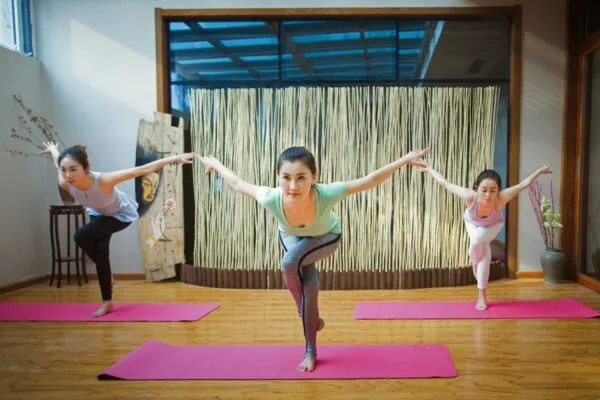
This imagery can help us regain focus and clarity amidst external chaos. Additionally, incorporating movement into our day can also help ground us. Whether it’s taking a short walk outside or practicing yoga, physical activity allows us to reconnect with our bodies and release any built-up tension.
Incorporating presence in social interactions
Presence plays a crucial role in how we connect with others. When we engage in conversations with full attention and intention, we create deeper connections that foster understanding and empathy. One way to incorporate presence into social interactions is by practicing active listening.
This means not only hearing what others are saying but also being fully engaged in their words and emotions. By maintaining eye contact and responding thoughtfully, we show that we value their perspective and are genuinely interested in what they have to share. Moreover, being present in social settings also involves being aware of non-verbal cues—our body language, facial expressions, and tone of voice all communicate messages beyond words.
By tuning into these signals, we can enhance our interactions and create a more meaningful connection with those around us. Additionally, setting aside distractions—like putting away our phones during conversations—can significantly improve the quality of our interactions. When we prioritize presence in social situations, we not only enrich our relationships but also create an environment where others feel seen and heard.
Overcoming distractions and staying present

In today’s fast-paced world, distractions are everywhere—whether it’s notifications from our devices or the constant pull of multitasking. Overcoming these distractions requires conscious effort and commitment to cultivating presence. One effective strategy is to create designated times for checking emails or social media rather than allowing them to interrupt our flow throughout the day.
By setting boundaries around technology use, we can minimize distractions and create space for focused work or meaningful interactions. Another approach is to practice single-tasking instead of multitasking. When we focus on one task at a time—whether it’s writing an email or having a conversation—we allow ourselves to immerse fully in that experience without dividing our attention.
This not only enhances our productivity but also fosters a greater sense of satisfaction as we complete each task mindfully. Additionally, incorporating short breaks throughout our day can help refresh our minds and prevent burnout, allowing us to return to tasks with renewed focus.
Creating a presence-centered environment
Our environment plays a significant role in shaping our ability to stay present. By creating a space that promotes mindfulness and focus, we can enhance our overall well-being. One way to do this is by decluttering our physical space—removing unnecessary items that may distract us from what truly matters.
A clean and organized environment can help clear mental clutter as well, allowing us to think more clearly and engage more fully with our surroundings. In addition to decluttering, incorporating elements that inspire calmness—such as plants, soft lighting, or soothing colors—can create an atmosphere conducive to presence. We might also consider designating specific areas for mindfulness practices—like meditation or journaling—where we can retreat when we need to reconnect with ourselves.
By intentionally crafting an environment that supports presence, we create a sanctuary where we can thrive both personally and professionally.
Benefits of practicing presence in real life
The benefits of practicing presence extend far beyond mere moments of tranquility; they permeate every aspect of our lives. When we cultivate presence, we enhance our emotional well-being by reducing stress and anxiety levels. We become more resilient in facing challenges because we learn to respond thoughtfully rather than react impulsively.
This shift not only improves our mental health but also fosters healthier relationships as we become more attuned to the needs of others. Moreover, practicing presence allows us to experience life more fully—transforming ordinary moments into extraordinary memories. We find joy in simple pleasures—a shared laugh with a friend or the beauty of nature—because we are fully engaged in those experiences.
Ultimately, embracing presence empowers us to live authentically and intentionally, leading to a more fulfilling life where every moment counts. As we continue on this journey toward cultivating presence, let’s remember that it’s not about perfection; it’s about progress and embracing each moment as it comes.
Practicing presence in real life can significantly enhance your overall well-being and mindfulness. For those interested in understanding how daily habits can impact health, you might find the article on what a glass of wine a day does to your body particularly insightful. It explores the balance between indulgence and health, which can be an important aspect of living in the moment while also taking care of oneself.
FAQs
What does it mean to practice presence in real life?
Practicing presence means being fully engaged and attentive to the current moment, rather than being distracted by past events or future worries. It involves mindfulness and conscious awareness of your surroundings, thoughts, and feelings.
Why is practicing presence important?
Practicing presence can reduce stress, improve mental clarity, enhance relationships, and increase overall well-being. It helps individuals respond thoughtfully to situations rather than reacting impulsively.
How can I start practicing presence daily?
You can start by incorporating mindfulness exercises such as deep breathing, meditation, or simply paying close attention to your senses during everyday activities like eating or walking. Setting aside a few minutes each day for focused awareness can build the habit.
Are there any tools or techniques to help with presence?
Yes, common techniques include mindfulness meditation, grounding exercises, body scans, and journaling. Apps and guided meditations can also support the practice of presence.
Can practicing presence improve my relationships?
Yes, being present allows you to listen actively and respond empathetically, which strengthens communication and connection with others.
Is practicing presence the same as meditation?
While meditation is a practice that cultivates presence, being present can occur anytime during daily activities without formal meditation. Meditation is one method to develop the skill of presence.
How long does it take to become good at practicing presence?
The time varies by individual, but consistent daily practice over weeks or months typically leads to noticeable improvements in mindfulness and presence.
Can practicing presence help with anxiety or stress?
Yes, presence helps by grounding you in the current moment, reducing rumination on worries, and promoting relaxation, which can alleviate symptoms of anxiety and stress.