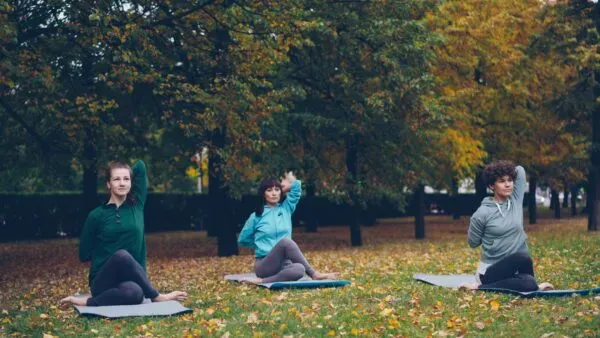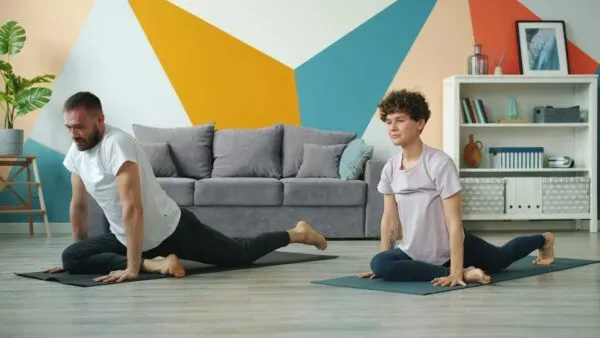
As we embark on our journey into the world of Yin Yoga, it’s essential to grasp its foundational principles and the myriad benefits it offers. Yin Yoga is a slow-paced style of yoga that focuses on passive stretches held for extended periods, typically ranging from three to five minutes. This practice targets the connective tissues, such as ligaments, tendons, and fascia, rather than the muscles.
By doing so, we allow our bodies to open up in ways that more dynamic forms of yoga may not achieve. The stillness we cultivate during these long-held poses encourages us to turn inward, fostering a deeper connection with ourselves. The benefits of Yin Yoga extend far beyond physical flexibility.
As we engage in this practice, we often find ourselves experiencing a profound sense of calm and relaxation. The meditative quality of holding poses allows us to quiet our minds and release the mental chatter that often accompanies our busy lives. This stillness can lead to increased mindfulness, helping us become more aware of our thoughts and emotions.
Additionally, Yin Yoga can enhance our overall well-being by promoting better circulation, improving joint mobility, and reducing stress levels. As we explore this practice, we discover that it serves as a powerful tool for self-discovery and healing.
Cultivating Mindfulness and Stillness Through Yin Yoga
In our fast-paced world, cultivating mindfulness can feel like an elusive goal. However, Yin Yoga provides us with a unique opportunity to slow down and embrace stillness. As we settle into each pose, we are invited to focus on our breath and the sensations within our bodies.
This practice encourages us to observe our thoughts without judgment, allowing us to cultivate a sense of presence that can be transformative. By dedicating time to simply be, we create space for self-reflection and awareness. As we deepen our practice, we may notice that the stillness of Yin Yoga extends beyond the mat and into our daily lives.
The mindfulness we cultivate during our sessions can help us navigate challenges with greater ease and clarity. We learn to respond to situations rather than react impulsively, fostering a sense of peace amidst chaos. This newfound awareness can enhance our relationships, improve our decision-making, and ultimately lead us toward a more fulfilling life.
Deepening Your Connection to Faith Through Yin Yoga

For many of us, spirituality is an integral part of our lives. Yin Yoga offers a unique pathway to deepen our connection to faith and spirituality. As we hold poses in silence, we create an opportunity for introspection and communion with our inner selves.
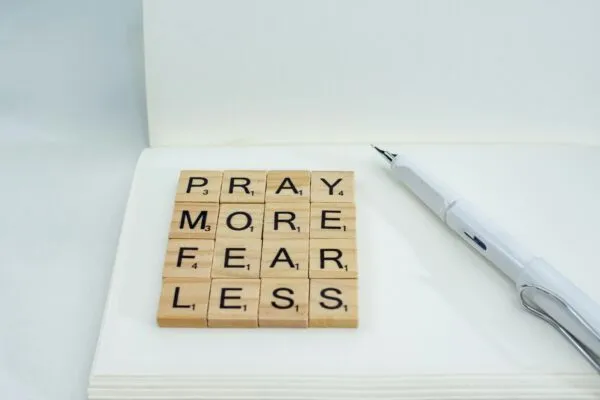
This practice encourages us to listen to our intuition and connect with a higher power, whatever that may mean for each of us individually. The stillness allows us to reflect on our beliefs and values, fostering a sense of alignment with our spiritual journey. Moreover, the meditative aspect of Yin Yoga can serve as a form of prayer or contemplation.
As we breathe deeply and focus on our intentions, we may find ourselves feeling more connected to the divine. This connection can manifest in various ways—through feelings of gratitude, love, or even moments of clarity regarding our life’s purpose. By integrating Yin Yoga into our spiritual practice, we create a sacred space for growth and exploration, allowing our faith to flourish.
Incorporating Breathwork and Meditation in Your Yin Yoga Practice
Breathwork and meditation are essential components of Yin Yoga that enhance our overall experience. As we settle into each pose, we can consciously focus on our breath, using it as a tool to anchor ourselves in the present moment. Deep, intentional breathing helps us release tension and invites a sense of calm into our bodies.
By synchronizing our breath with our movements, we create a harmonious flow that deepens our connection to both ourselves and the practice. Incorporating meditation into our Yin Yoga sessions can further enrich our experience. As we hold poses for extended periods, we can use this time to engage in mindfulness meditation or visualization techniques.
This practice allows us to explore our thoughts and emotions without attachment, fostering a sense of acceptance and understanding. By integrating breathwork and meditation into our Yin Yoga practice, we cultivate a holistic approach to well-being that nurtures both body and spirit.
Using Yin Yoga to Release Stress and Anxiety
Stress and anxiety are common challenges that many of us face in today’s world. Fortunately, Yin Yoga offers a gentle yet effective way to release these burdens. The slow-paced nature of this practice encourages us to slow down and tune into our bodies, allowing us to identify areas of tension or discomfort.
As we hold poses for several minutes, we create an opportunity for these feelings to surface and be acknowledged. Through mindful breathing and intentional movement, we can begin to release the grip of stress and anxiety. The meditative quality of Yin Yoga helps us cultivate a sense of calm that permeates our entire being.
As we learn to let go of what no longer serves us, we create space for peace and tranquility. Over time, this practice can empower us to manage stress more effectively in our daily lives, equipping us with tools to navigate challenges with grace.
Strengthening Your Faith Through Surrender and Acceptance in Yin Yoga

Surrendering to the present moment is a powerful aspect of both Yin Yoga and spiritual growth. As we engage in this practice, we learn to let go of control and embrace acceptance. Holding poses for extended periods can be challenging; however, it teaches us the value of patience and trust in the process.
By surrendering to the sensations in our bodies, we cultivate a deeper understanding of ourselves and our faith. This act of surrender can strengthen our faith by reminding us that we are not alone in our journey. As we release resistance and accept what is, we open ourselves up to divine guidance and support.
In moments of discomfort or uncertainty during our practice, we can turn inward and connect with our faith as a source of strength. By embracing surrender in Yin Yoga, we foster resilience and trust in the unfolding of our lives.
Creating a Sacred Space for Yin Yoga and Reflection
Creating a sacred space for our Yin Yoga practice is essential for fostering an environment conducive to reflection and growth. This space doesn’t need to be elaborate; it simply needs to resonate with us personally. We can choose a quiet corner in our home or even an outdoor setting that inspires tranquility.
By surrounding ourselves with elements that evoke peace—such as candles, crystals, or meaningful objects—we create an atmosphere that invites introspection. As we step into this sacred space for practice, we signal to ourselves that it’s time to turn inward and connect with our true selves. This intentionality enhances the experience of Yin Yoga, allowing us to fully immerse ourselves in the present moment.
By dedicating time for reflection within this space, we can explore our thoughts, feelings, and spiritual beliefs more deeply.
Integrating Yin Yoga into Your Daily Spiritual Practice
Integrating Yin Yoga into our daily spiritual practice can be transformative for both body and soul. By setting aside time each day for this practice—whether it’s a full session or just a few minutes—we create consistency that nurtures growth over time. We can begin by establishing a routine that aligns with our personal schedules and commitments while remaining flexible enough to adapt as needed.
As we weave Yin Yoga into the fabric of our daily lives, we may find that it enhances other aspects of our spiritual journey as well. The mindfulness cultivated during practice can spill over into other areas—such as prayer or meditation—allowing us to approach these practices with greater clarity and intention. Ultimately, by embracing Yin Yoga as part of our spiritual routine, we foster a deeper connection with ourselves and the divine, enriching every facet of our lives.
In conclusion, as we explore the depths of Yin Yoga together, we discover not only its physical benefits but also its profound impact on mindfulness, faith, stress relief, surrender, and reflection. By creating sacred spaces for practice and integrating these principles into our daily lives, we embark on a journey toward holistic well-being that nourishes both body and spirit. Let us embrace this path together as we deepen our understanding of ourselves and strengthen our connection to the world around us through the transformative power of Yin Yoga.
In exploring the benefits of Yin Yoga for mental calmness and spiritual strength, you may also find interest in the article on the science of gratitude. This piece delves into how cultivating a grateful mindset can significantly enhance both mental and physical health, complementing the mindfulness practices found in Yin Yoga. For more insights, check out the article here: The Science of Gratitude: How Gratefulness Can Improve Your Mental and Physical Health.
FAQs
What is Yin Yoga?
Yin Yoga is a slow-paced style of yoga that involves holding poses for extended periods, typically between 3 to 5 minutes or longer. It targets the deep connective tissues, such as ligaments, joints, and fascia, promoting flexibility and joint mobility.
How does Yin Yoga help calm the mind?
Yin Yoga encourages mindfulness and deep breathing while holding poses, which activates the parasympathetic nervous system. This helps reduce stress, lower anxiety levels, and promote a sense of calm and relaxation.
Can Yin Yoga be used to strengthen faith?
Yes, Yin Yoga can support spiritual growth and strengthen faith by creating a quiet, meditative space for self-reflection and inner connection. The practice encourages mindfulness and presence, which can deepen one’s spiritual awareness and trust.
Is Yin Yoga suitable for beginners?
Yes, Yin Yoga is generally accessible for beginners because it involves gentle, passive stretches. However, it is important to listen to your body and avoid pushing into pain. Beginners may benefit from guidance by a qualified instructor.
How often should I practice Yin Yoga to see benefits?
Practicing Yin Yoga 2 to 3 times per week can provide noticeable benefits in flexibility, mental calmness, and spiritual well-being. Consistency is key to experiencing long-term effects.
Do I need any special equipment for Yin Yoga?
Basic equipment such as a yoga mat, yoga blocks, and bolsters or cushions can enhance comfort during long holds. These props help support the body and make poses more accessible.
Can Yin Yoga be combined with other forms of exercise?
Yes, Yin Yoga complements more active styles of yoga and other forms of exercise by promoting recovery, flexibility, and mental balance. It is often used alongside more dynamic practices like Vinyasa or Ashtanga yoga.
Are there any health conditions that require caution when practicing Yin Yoga?
Individuals with certain health conditions such as severe joint issues, osteoporosis, or recent injuries should consult a healthcare professional before practicing Yin Yoga. Modifications may be necessary to ensure safety.