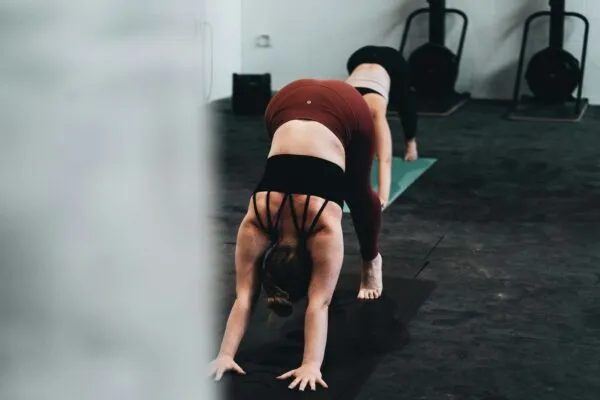
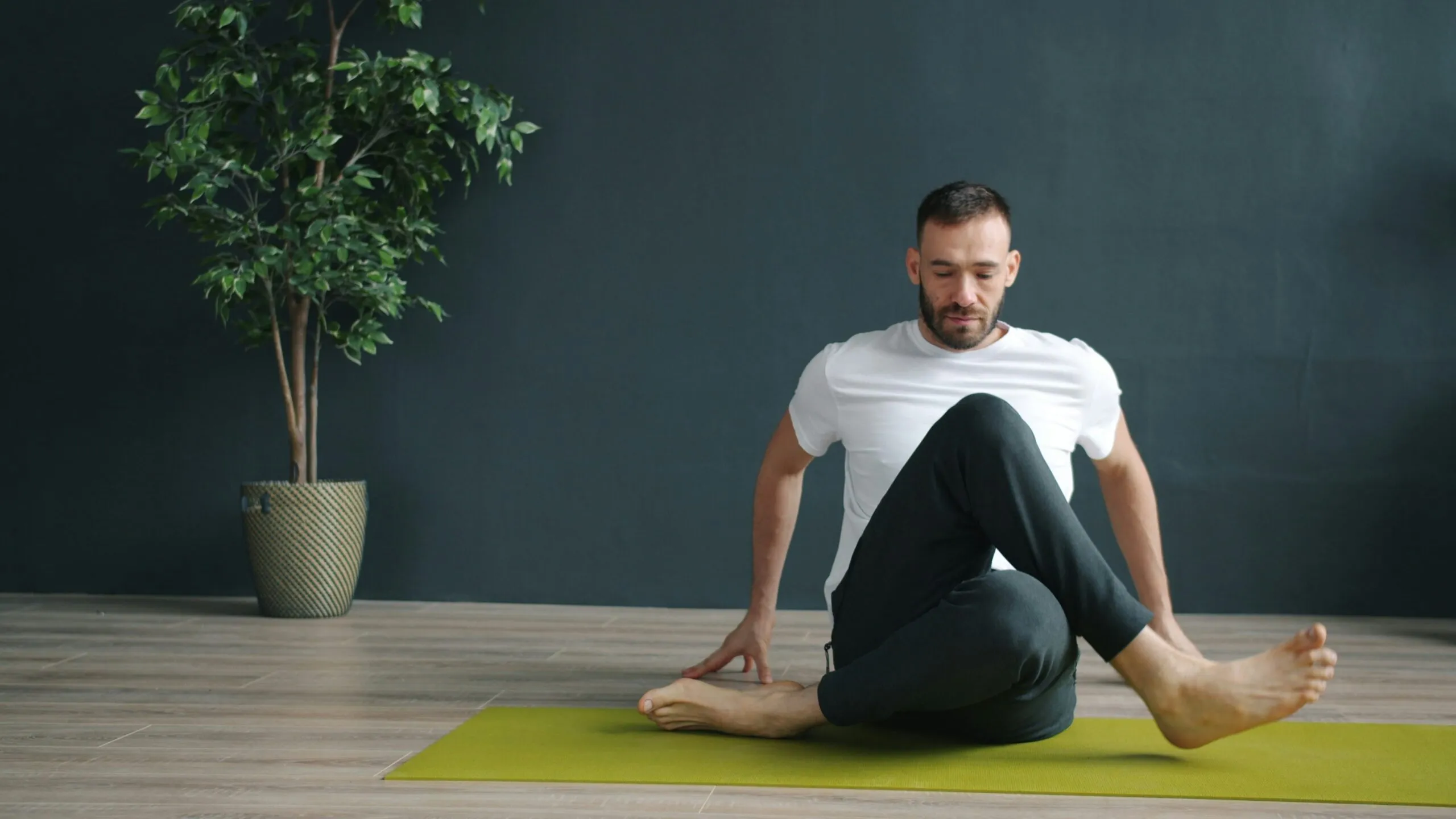
As we embark on our journey into the world of Yin Yoga, we find ourselves drawn to its unique principles that set it apart from other forms of yoga. At its core, Yin Yoga emphasizes stillness and surrender. Unlike more dynamic styles that focus on muscle engagement and movement, Yin invites us to slow down and connect with our bodies on a deeper level.
This practice encourages us to hold poses for extended periods, typically ranging from three to five minutes, allowing us to explore the subtleties of our physical and emotional landscapes. In this stillness, we cultivate a sense of awareness that can lead to profound insights about ourselves. Moreover, Yin Yoga is rooted in the concept of energy flow within the body.
It draws from ancient Chinese medicine, which teaches us that our bodies are interconnected through meridians—pathways that carry vital energy, or "qi." By targeting specific areas of the body, particularly the hips, spine, and connective tissues, we can release blockages and promote a harmonious flow of energy. This principle not only enhances our physical flexibility but also nurtures our emotional well-being. As we practice Yin Yoga, we learn to embrace the present moment, fostering a sense of acceptance and peace that resonates far beyond the mat.
The Benefits of Yin Yoga for Flexibility
When we think about flexibility, we often envision dynamic stretches or vigorous yoga flows. However, Yin Yoga offers a different approach that can significantly enhance our flexibility over time. By holding poses for longer durations, we allow our muscles to relax and lengthen gradually.
This gentle stretching not only increases our range of motion but also helps to release tension stored in our bodies. As we settle into each pose, we create space for our muscles and connective tissues to adapt and open up, leading to improved flexibility. Additionally, the benefits of Yin Yoga extend beyond mere physical flexibility.
As we engage in this practice, we also cultivate mental flexibility. The act of holding poses encourages us to confront discomfort and resistance, teaching us how to navigate challenges both on and off the mat. This newfound resilience can translate into our daily lives, allowing us to approach obstacles with a more open and adaptable mindset.
In essence, Yin Yoga becomes a powerful tool for not only enhancing our physical capabilities but also enriching our emotional and mental landscapes.
The Differences Between Yin Yoga and Traditional Stretching

As we delve deeper into the nuances of Yin Yoga, it becomes clear that it differs significantly from traditional stretching methods. While traditional stretching often involves quick movements aimed at increasing muscle elasticity, Yin Yoga takes a more meditative approach. In traditional stretching, we might hold a pose for a brief moment before transitioning to another position.
In contrast, Yin Yoga encourages us to remain in a pose for several minutes, allowing our bodies to fully relax and release tension. This extended duration is crucial because it enables us to target deeper layers of connective tissue, such as fascia, ligaments, and tendons. Traditional stretching primarily focuses on muscle fibers, which can lead to temporary gains in flexibility but may not address the underlying connective tissues that support our joints.
By holding poses in Yin Yoga, we create an opportunity for these deeper structures to adapt and change over time. This distinction highlights the unique benefits of Yin Yoga as a complementary practice that enhances our overall flexibility and well-being.
How Yin Yoga Targets Connective Tissues
One of the most remarkable aspects of Yin Yoga is its ability to specifically target connective tissues within our bodies. As we hold poses for extended periods, we engage not only our muscles but also the fascia—the connective tissue that surrounds and supports our muscles and organs. This deep engagement allows us to stimulate the production of synovial fluid, which lubricates our joints and promotes overall joint health.
Furthermore, by focusing on areas such as the hips, spine, and shoulders, we can release tension that may have accumulated over time due to stress or repetitive movements. This targeted approach helps to improve our overall mobility and stability while reducing the risk of injury. As we practice Yin Yoga regularly, we may notice increased ease in our movements and a greater sense of freedom in our bodies.
This connection between mind and body fosters a holistic approach to wellness that extends beyond the physical realm.
The Role of Mindfulness in Yin Yoga
Mindfulness plays a pivotal role in our experience of Yin Yoga. As we settle into each pose, we are invited to cultivate a sense of presence and awareness. This practice encourages us to observe our thoughts, emotions, and physical sensations without judgment.
By embracing mindfulness in Yin Yoga, we create a space for self-discovery and introspection. As we hold poses for several minutes, we may encounter discomfort or restlessness. Instead of resisting these feelings, mindfulness teaches us to acknowledge them with compassion.
This process allows us to develop a deeper understanding of ourselves and how we respond to challenges. Over time, this practice can lead to greater emotional resilience and a more profound connection with our inner selves. In essence, mindfulness transforms our experience of Yin Yoga into a journey of self-exploration and growth.
The Importance of Holding Poses in Yin Yoga

The act of holding poses is fundamental to the practice of Yin Yoga. Unlike more dynamic styles that prioritize movement, Yin invites us to embrace stillness. This stillness is where the magic happens; it is within these moments that we can truly connect with our bodies and minds.
Holding poses for an extended period allows us to explore the sensations that arise—both physical and emotional—creating an opportunity for deep introspection. Moreover, this emphasis on holding poses cultivates patience and acceptance within us. In a world that often values speed and instant gratification, Yin Yoga reminds us that some things take time.
As we learn to sit with discomfort and breathe through it, we develop resilience that extends beyond the mat. This practice teaches us that growth often occurs in moments of stillness and surrender—a valuable lesson that can be applied in all areas of our lives.
How Yin Yoga Complements Other Forms of Exercise
As we integrate Yin Yoga into our fitness routines, we discover how it beautifully complements other forms of exercise. Many of us engage in high-intensity workouts or dynamic yoga styles that focus on strength and endurance. While these practices are essential for building muscle and cardiovascular health, they can sometimes lead to tightness or imbalances in the body.
Herein lies the beauty of Yin Yoga—it provides a counterbalance. By incorporating Yin Yoga into our weekly routine, we allow our bodies to recover and restore after more vigorous activities. The gentle stretching and deep relaxation offered by Yin help release tension built up during intense workouts.
This balance not only enhances our overall performance but also reduces the risk of injury by promoting flexibility and mobility in areas that may have become tight or restricted.
Tips for Incorporating Yin Yoga into Your Flexibility Routine
As we consider how to incorporate Yin Yoga into our flexibility routine, there are several practical tips that can guide us on this journey. First and foremost, consistency is key. We might start by dedicating one or two days a week specifically for Yin practice.
Setting aside time for this gentle exploration allows us to reap the full benefits over time. Additionally, creating a calming environment can enhance our experience. We can dim the lights, light some candles or incense, and play soft music or nature sounds to foster a peaceful atmosphere.
This intentional space encourages us to fully immerse ourselves in the practice without distractions. Finally, it’s essential to listen to our bodies as we explore each pose. We should honor our limits while also challenging ourselves gently.
Using props such as bolsters or blankets can provide support and comfort during longer holds, allowing us to relax more deeply into each pose. In conclusion, as we embrace the principles of Yin Yoga and its myriad benefits for flexibility and mindfulness, we embark on a transformative journey toward greater self-awareness and well-being. By integrating this practice into our lives, we cultivate not only physical flexibility but also emotional resilience—a gift that enriches every aspect of our existence.
In exploring the benefits of Yin Yoga for enhancing flexibility, it's interesting to consider how various practices contribute to overall well-being. For instance, a related article on the importance of maintaining a balanced lifestyle can be found at this link. This article delves into the significance of beauty routines and self-care, which can complement the physical benefits gained from Yin Yoga and traditional stretching techniques.
FAQs
What is Yin Yoga?
Yin Yoga is a slow-paced style of yoga that involves holding poses for extended periods, typically between 3 to 5 minutes or longer. It targets the deep connective tissues, such as ligaments, joints, and fascia, rather than focusing solely on muscles.
How does Yin Yoga differ from traditional stretching?
Traditional stretching usually involves active movements and shorter hold times to lengthen muscles. Yin Yoga, on the other hand, emphasizes passive stretching with longer holds, allowing deeper access to connective tissues and promoting greater flexibility over time.
Why is Yin Yoga effective for improving flexibility?
Yin Yoga's long-held poses gently stress the connective tissues, encouraging them to lengthen and become more pliable. This process helps increase joint mobility and overall flexibility more effectively than shorter, active stretches.
Can Yin Yoga help with joint health?
Yes, Yin Yoga helps maintain and improve joint health by stimulating the production of synovial fluid, which lubricates joints. The sustained stretches also promote better circulation and nutrient flow to the connective tissues.
Is Yin Yoga suitable for beginners?
Yes, Yin Yoga is generally accessible to beginners because it involves slow, gentle movements and long holds. However, it is important to listen to your body and avoid pushing into pain.
How often should I practice Yin Yoga to see flexibility improvements?
Practicing Yin Yoga 2 to 3 times per week can lead to noticeable improvements in flexibility over several weeks. Consistency and patience are key, as connective tissue adapts more slowly than muscles.
Can Yin Yoga be combined with other forms of exercise?
Absolutely. Yin Yoga complements more active forms of exercise, such as strength training or dynamic stretching, by improving flexibility and aiding recovery.
Are there any risks associated with Yin Yoga?
While Yin Yoga is generally safe, overstretching or holding poses too long can cause strain or injury. It is important to practice mindfully, use props if needed, and consult a healthcare professional if you have existing injuries or conditions.