Yin Yoga is a unique practice that invites us to slow down and connect with our bodies on a deeper level. Unlike more dynamic styles of yoga that focus on building strength and flexibility through movement, Yin Yoga emphasizes stillness and introspection. In this practice, we hold postures for extended periods, often ranging from three to five minutes or even longer.
This allows us to access the deeper layers of our connective tissues, such as ligaments and fascia, which are often neglected in more vigorous forms of exercise. By engaging with these tissues, we not only enhance our physical flexibility but also cultivate a sense of inner peace and calm. The benefits of Yin Yoga extend far beyond the physical realm.
As we settle into each pose, we create space for emotional release and mental clarity. The practice encourages us to be present with our thoughts and feelings, fostering a greater awareness of our internal landscape. This mindfulness can lead to profound insights and a deeper understanding of ourselves.
Additionally, Yin Yoga has been shown to improve circulation, enhance joint mobility, and promote relaxation, making it an invaluable tool for anyone seeking to manage stress and cultivate overall well-being.
The Connection Between Stress and the Body
Stress is an inevitable part of life, but its impact on our bodies can be profound. When we experience stress, our bodies enter a state of heightened alertness, often referred to as the "fight or flight" response. This physiological reaction triggers the release of stress hormones like cortisol and adrenaline, which prepare us to respond to perceived threats.
While this response can be beneficial in short bursts, chronic stress can lead to a host of physical ailments, including tension headaches, digestive issues, and weakened immune function. As we navigate our busy lives, we may find ourselves carrying the weight of stress in various areas of our bodies. Tension can accumulate in our shoulders, necks, and backs, creating discomfort and limiting our range of motion.
Moreover, stress can manifest emotionally, leading to feelings of anxiety, irritability, and overwhelm. Recognizing the connection between stress and our physical state is crucial for developing effective strategies for relief. By understanding how stress affects us, we can take proactive steps to address it and restore balance in our lives.
How Yin Yoga Targets Deep Stress in the Body

Yin Yoga offers a powerful antidote to the physical and emotional toll of stress by specifically targeting the deeper layers of our bodies. As we hold poses for extended periods, we create an opportunity for the body to release tension stored in the connective tissues. This gentle stretching encourages the flow of energy throughout the body, promoting a sense of relaxation that can be difficult to achieve through more active forms of exercise.
In Yin Yoga, we often focus on specific meridian lines associated with different organs and emotions. For instance, poses that target the hips may help release stored emotions related to fear or anxiety, while heart-opening poses can facilitate emotional release tied to grief or sadness. By consciously engaging with these areas during our practice, we can begin to unravel the layers of stress that have accumulated over time.
This process not only enhances our physical well-being but also allows us to confront and process emotions that may have been buried beneath the surface.
The Role of Breath and Meditation in Yin Yoga
Breath is a fundamental aspect of Yin Yoga that enhances our experience on both physical and emotional levels. As we settle into each pose, we are encouraged to focus on our breath, using it as a tool to deepen our awareness and cultivate a sense of calm. By taking slow, intentional breaths, we activate the parasympathetic nervous system, which counteracts the effects of stress and promotes relaxation.
This connection between breath and movement allows us to anchor ourselves in the present moment, creating a sanctuary amidst the chaos of daily life. Meditation also plays a vital role in our Yin Yoga practice. As we hold poses for extended periods, we have the opportunity to turn inward and explore our thoughts and feelings without judgment.
This meditative aspect encourages us to observe our mental patterns and emotional responses, fostering a greater sense of self-awareness. By integrating meditation into our practice, we can cultivate a deeper understanding of ourselves and develop healthier coping mechanisms for managing stress.
Physical and Emotional Release in Yin Yoga Practice
One of the most profound aspects of Yin Yoga is its ability to facilitate both physical and emotional release. As we hold poses for several minutes, we may begin to notice sensations arising in our bodies—tightness, discomfort, or even emotional responses such as sadness or anger. Rather than resisting these feelings, Yin Yoga encourages us to lean into them with compassion and curiosity.
This process allows us to acknowledge and process emotions that may have been suppressed or ignored. The physical release experienced during Yin Yoga can be transformative. As we gently stretch and relax our connective tissues, we may find that long-held tension begins to dissipate.
This release not only enhances our physical flexibility but also creates space for emotional healing. Many practitioners report feeling lighter and more at ease after a Yin Yoga session, as if they have let go of burdens they didn’t even realize they were carrying. This dual release—both physical and emotional—can lead to a profound sense of well-being that extends far beyond the mat.
Incorporating Yin Yoga into a Stress-Relief Routine

Integrating Yin Yoga into our daily routines can be a game-changer when it comes to managing stress. We can start by setting aside dedicated time each week for practice—whether it’s a quiet evening at home or a class at a local studio. Consistency is key; by making Yin Yoga a regular part of our lives, we create a reliable sanctuary where we can unwind and reconnect with ourselves.
In addition to dedicated practice sessions, we can also incorporate elements of Yin Yoga into our daily lives. Simple practices such as mindful breathing or gentle stretching during breaks can help us stay grounded amidst the busyness of life. We might also consider creating a calming environment at home—dim lighting, soothing music, or even essential oils can enhance our experience and signal to our bodies that it’s time to relax.
By weaving these practices into our routines, we cultivate a holistic approach to stress relief that nurtures both body and mind.
Tips for Practicing Yin Yoga at Home
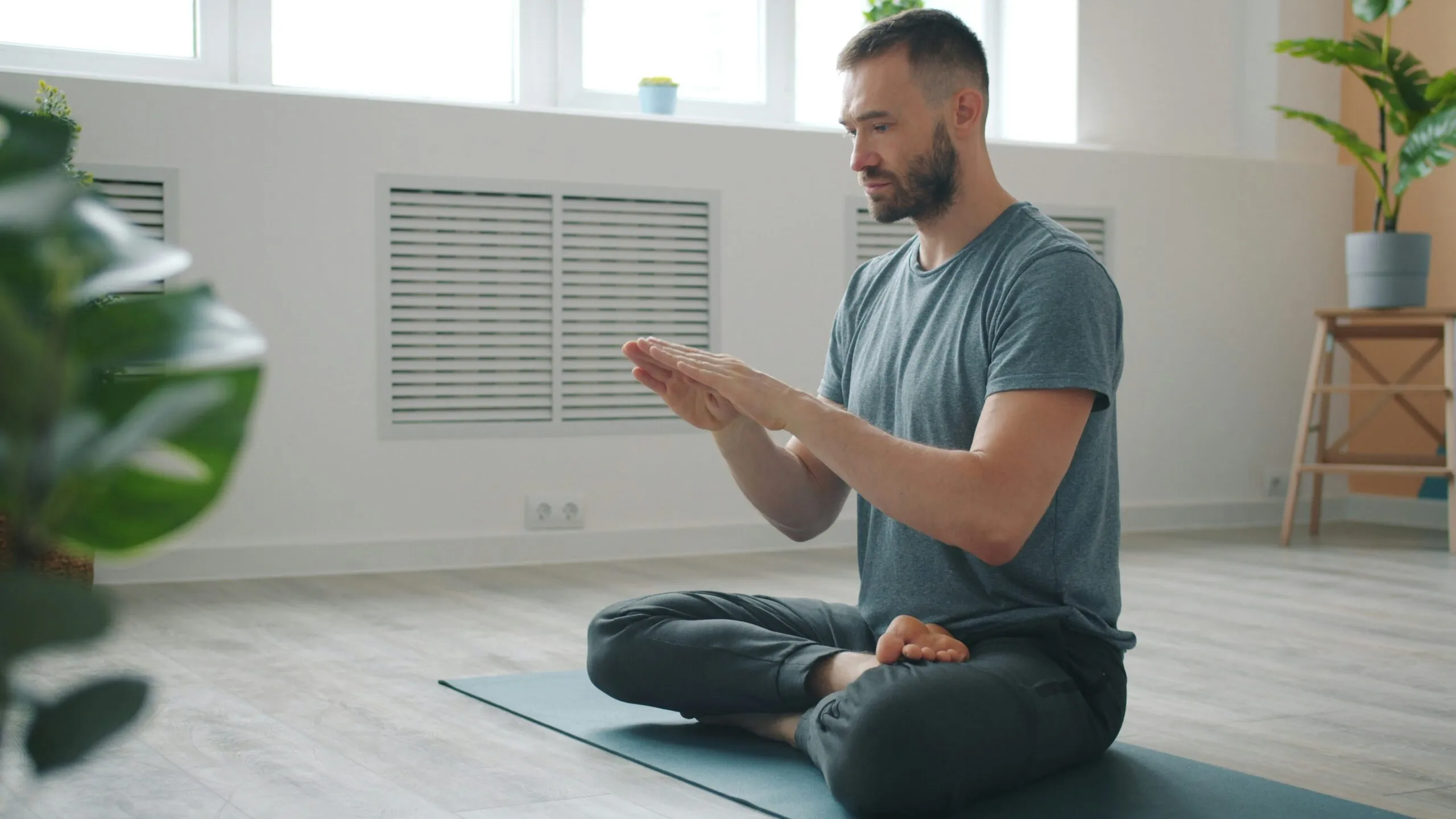
Practicing Yin Yoga at home can be both rewarding and accessible with just a few simple tips. First and foremost, creating a dedicated space for practice is essential. This doesn’t need to be elaborate; a quiet corner with a yoga mat, some cushions or blankets for support, and perhaps a few candles or plants can set the tone for relaxation.
The key is to establish an environment that feels inviting and calming. Next, we should consider using props to enhance our practice. Bolsters, blocks, or even pillows can provide support in various poses, allowing us to relax more deeply into each stretch.
It’s important to listen to our bodies during practice; if something doesn’t feel right or causes discomfort, we should modify or skip that pose altogether. Finally, incorporating guided meditations or playlists designed for relaxation can help us stay focused and present throughout our practice.
The Long-Term Effects of Yin Yoga on Stress Management
The long-term effects of incorporating Yin Yoga into our lives can be profound and transformative. Over time, many practitioners report increased resilience in the face of stressors—an ability to respond rather than react when challenges arise. This shift in perspective allows us to navigate life’s ups and downs with greater ease and grace.
Moreover, regular practice fosters a deeper connection between mind and body. As we become more attuned to our physical sensations and emotional responses through Yin Yoga, we develop healthier coping mechanisms for managing stress. This heightened self-awareness empowers us to make conscious choices that support our well-being—whether it’s prioritizing self-care activities or setting boundaries in relationships.
In conclusion, embracing Yin Yoga as part of our stress-relief routine offers us an invaluable opportunity for healing and growth. By understanding its benefits, recognizing the connection between stress and the body, and incorporating mindful practices into our lives, we can cultivate resilience and inner peace that lasts long after we leave the mat. Let’s embark on this journey together—one breath at a time—and discover the transformative power of Yin Yoga in managing stress and enhancing overall well-being.
Yin Yoga is a powerful practice that helps release deep-seated stress stored in the body, promoting relaxation and emotional healing. For those interested in enhancing their wellness journey, you might find the article on the Balanced Beauty Essentials Kit particularly insightful, as it discusses how incorporating holistic products can complement your yoga practice and support overall well-being.
FAQs
What is Yin Yoga?
Yin Yoga is a slow-paced style of yoga that involves holding poses for extended periods, typically between 3 to 5 minutes or longer. It targets the deep connective tissues, such as ligaments, joints, and fascia, rather than focusing solely on muscles.
How does Yin Yoga help release deep stress stored in the body?
Yin Yoga helps release deep stress by gently stretching and stimulating the connective tissues, which can hold tension and emotional stress. The long holds encourage relaxation and mindfulness, allowing the nervous system to calm and release stored physical and emotional stress.
What types of stress can Yin Yoga address?
Yin Yoga can help alleviate both physical stress, such as muscle tension and stiffness, and emotional stress, including anxiety and chronic stress patterns stored in the body.
Is Yin Yoga suitable for beginners?
Yes, Yin Yoga is generally suitable for beginners because it is gentle and slow-paced. However, it is important to listen to your body and avoid pushing into pain. Beginners may benefit from guidance by a qualified instructor.
How often should one practice Yin Yoga to experience stress relief?
Practicing Yin Yoga 2 to 3 times per week can be effective for stress relief. Consistency helps in gradually releasing tension and promoting relaxation.
Can Yin Yoga be combined with other forms of exercise?
Yes, Yin Yoga complements more active forms of exercise, such as Vinyasa or Hatha yoga, running, or strength training, by promoting flexibility, joint health, and relaxation.
Are there any contraindications or precautions for practicing Yin Yoga?
Individuals with certain injuries, joint issues, or medical conditions should consult a healthcare professional before practicing Yin Yoga. It is important to avoid overstretching and to modify poses as needed.
What role does mindfulness play in Yin Yoga?
Mindfulness is a key component of Yin Yoga. Holding poses for extended periods encourages practitioners to observe sensations and emotions without judgment, which aids in releasing stress and fostering mental calmness.
How does Yin Yoga affect the nervous system?
Yin Yoga activates the parasympathetic nervous system, which promotes relaxation and recovery. This helps reduce the body's stress response and supports overall well-being.
Can Yin Yoga help with chronic pain related to stress?
Yes, by releasing tension in connective tissues and calming the nervous system, Yin Yoga can help alleviate some types of chronic pain that are exacerbated by stress. However, it should be used as a complementary approach alongside medical treatment when necessary.