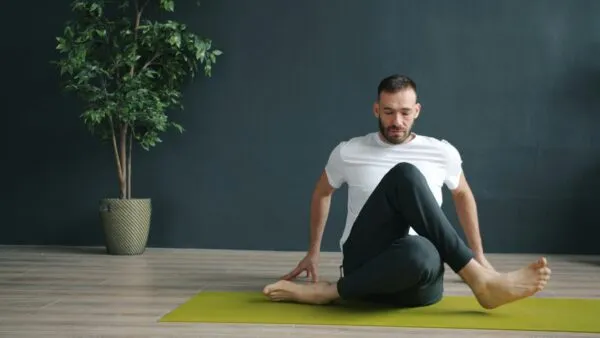
As we navigate through life, we often overlook the significance of our spine, which serves as the backbone of our physical well-being. The spine is not merely a structural component; it is a vital part of our nervous system, housing the spinal cord that transmits signals between our brain and the rest of our body. A healthy spine is essential for maintaining overall health, as it supports our posture, enables movement, and protects our internal organs.
When we experience discomfort or pain in our spine, it can lead to a cascade of issues that affect not only our physical capabilities but also our emotional and mental states. Moreover, understanding the importance of a healthy spine extends beyond just physical health. It encompasses our ability to engage in daily activities, pursue hobbies, and maintain an active lifestyle.
A well-aligned spine contributes to better balance and coordination, which are crucial for preventing injuries. By prioritizing spinal health, we can enhance our quality of life, allowing us to move freely and confidently. This awareness encourages us to adopt practices that support spinal integrity, such as regular exercise, proper ergonomics, and mindful movement.
Key Takeaways
- A healthy spine is crucial for overall well-being and mobility.
- Yoga enhances spinal strength, flexibility, and posture.
- Emotional and mental health benefits from yoga support spinal health.
- Specific yoga poses target spinal strength and flexibility.
- Mindfulness and self-compassion cultivated through yoga aid spinal care.
The Physical Benefits of Yoga for Spinal Health
Yoga offers a holistic approach to maintaining spinal health, providing numerous physical benefits that can enhance our overall well-being. One of the most significant advantages of practicing yoga is its ability to strengthen the muscles surrounding the spine.
Through various poses and stretches, we engage core muscles that support our back, promoting stability and reducing the risk of injury.
This strengthening effect not only helps alleviate existing discomfort but also prevents future issues from arising. In addition to building strength, yoga enhances flexibility in the spine. Many of us lead sedentary lifestyles that contribute to stiffness and tension in our back muscles.
By incorporating yoga into our routine, we can counteract these effects through gentle stretching and dynamic movements. Improved flexibility allows for greater range of motion, making everyday activities easier and more enjoyable. As we become more attuned to our bodies through yoga practice, we may also notice a reduction in tension and tightness, leading to a more relaxed state overall.
The Emotional and Mental Benefits of Yoga for Spinal Health

The benefits of yoga extend far beyond the physical realm; they also encompass emotional and mental well-being. Practicing yoga encourages us to cultivate mindfulness and presence, allowing us to connect with our bodies on a deeper level. This connection can be particularly beneficial for those who experience chronic pain or discomfort in their spines.
By focusing on our breath and movement during yoga practice, we create a space for self-awareness and self-acceptance, which can help alleviate feelings of frustration or anxiety related to physical limitations.
Furthermore, engaging in yoga can serve as a powerful tool for stress relief. The combination of mindful movement and breathwork promotes relaxation and reduces cortisol levels in the body.
As we release tension stored in our muscles, we may find that our emotional state improves as well. This emotional release can lead to a greater sense of calm and clarity, allowing us to approach challenges with a more balanced perspective. In this way, yoga not only supports spinal health but also nurtures our mental resilience.
Yoga Poses for Strengthening the Spine
To effectively strengthen the spine through yoga, we can incorporate specific poses that target the back muscles and core stability. One such pose is the Cat-Cow stretch, which involves alternating between arching and rounding the back while on all fours. This gentle movement helps to mobilize the spine while engaging the core muscles, promoting strength and flexibility simultaneously.
As we flow between these two positions, we can cultivate awareness of our spinal alignment and develop a deeper connection with our bodies. Another beneficial pose for spinal strength is the Plank pose. By holding this position, we engage not only our back muscles but also our abdominal muscles, creating a strong foundation for spinal support.
The Plank pose challenges us to maintain proper alignment while building endurance in our core. As we progress in our practice, we may find that we can hold this pose for longer durations, further enhancing our spinal strength and stability.
Yoga Poses for Improving Flexibility and Mobility in the Spine
In addition to strengthening poses, there are numerous yoga postures designed specifically to improve flexibility and mobility in the spine. One such pose is the Seated Forward Bend (Paschimottanasana), which encourages lengthening of the spine while stretching the hamstrings and lower back. As we fold forward over our legs, we create space in the vertebrae and release tension accumulated in the lower back.
This pose not only enhances flexibility but also promotes relaxation and introspection. Another effective pose for increasing spinal mobility is the Supine Spinal Twist (Supta Matsyendrasana). By lying on our backs and gently twisting from side to side, we can release tension in the spine while improving rotational mobility.
This pose allows us to explore the natural range of motion in our spines while promoting relaxation in the surrounding muscles. As we practice these poses regularly, we may notice significant improvements in our overall flexibility and ease of movement.
How Yoga Can Improve Your Posture and Alignment

One of the most profound ways yoga contributes to spinal health is by improving posture and alignment. Many of us spend hours hunched over computers or smartphones, leading to poor posture that can strain the spine over time. Through mindful awareness cultivated in yoga practice, we learn to recognize imbalances in our bodies and make conscious adjustments to improve alignment.
Poses such as Mountain Pose (Tadasana) teach us how to stand tall with proper alignment, engaging the core while lengthening through the spine. Additionally, practicing yoga encourages us to develop body awareness that translates into our daily lives. As we become more attuned to how we hold ourselves throughout the day, we can make small adjustments that promote better posture.
This newfound awareness helps us counteract habits that contribute to discomfort or pain in the spine. By integrating these principles into our daily routines, we can foster a healthier relationship with our bodies and enhance our overall well-being.
The Role of Mindfulness and Meditation in Spinal Health
Mindfulness and meditation play crucial roles in supporting spinal health through yoga practice. By incorporating mindfulness into our movements, we cultivate a deeper connection with our bodies and become more aware of how tension manifests within us. This awareness allows us to identify areas of discomfort or tightness in the spine, enabling us to address them with compassion rather than frustration.
Meditation further enhances this process by providing a space for reflection and self-discovery. As we sit quietly with ourselves, we can explore any emotional or mental patterns that may contribute to physical tension in the spine. This introspective practice encourages us to release negative thought patterns and cultivate a sense of acceptance towards ourselves.
By integrating mindfulness and meditation into our yoga practice, we create a holistic approach to spinal health that nurtures both body and mind.
Cultivating a Sense of Self-Compassion and Self-Awareness Through Yoga
Ultimately, one of the most profound gifts yoga offers is the opportunity to cultivate self-compassion and self-awareness. As we engage in regular practice, we learn to listen to our bodies with kindness rather than judgment. This shift in perspective allows us to honor where we are on our journey without comparing ourselves to others or striving for perfection.
Through this process of self-discovery, we develop a greater understanding of our unique needs and limitations. We become more attuned to what feels good for our bodies and what may cause discomfort or pain. This heightened self-awareness empowers us to make choices that support our well-being while fostering a sense of compassion towards ourselves during challenging moments.
In this way, yoga becomes not just a physical practice but a transformative journey towards greater self-acceptance and holistic health. In conclusion, embracing yoga as a means to support spinal health offers us a multitude of benefits—physically, emotionally, and mentally. By understanding the importance of a healthy spine and incorporating specific poses into our practice, we can strengthen and enhance flexibility while improving posture and alignment.
Additionally, cultivating mindfulness and self-compassion through yoga allows us to connect with ourselves on a deeper level, fostering resilience in both body and mind. As we continue on this journey together, let us celebrate the profound impact that yoga can have on our overall well-being and commit to nurturing our spines with love and care.
In addition to exploring the benefits of yoga for spinal health and personal empowerment, you may find it interesting to read about the importance of maintaining a balanced lifestyle in our article on managing your wellness journey. This article provides insights on how to integrate various aspects of health, including physical activity, nutrition, and mental well-being. For more information, check out the article here: Managing Your Wellness Journey.
FAQs
What are the benefits of yoga for spinal health?
Yoga helps improve spinal flexibility, strengthens the muscles supporting the spine, and promotes better posture. Regular practice can alleviate back pain, reduce stiffness, and enhance overall spinal alignment.
How does yoga contribute to building physical strength?
Yoga involves holding various poses that engage multiple muscle groups, which helps build endurance, tone muscles, and increase overall body strength. It also improves balance and stability.
Can yoga help with recovery from spinal injuries?
Yes, yoga can be a gentle and effective way to support recovery from certain spinal injuries by promoting mobility, reducing tension, and strengthening supportive muscles. However, it should be practiced under professional guidance tailored to individual needs.
In what ways does yoga enhance one’s sense of self?
Yoga encourages mindfulness, self-awareness, and a deeper connection between the mind and body. This holistic approach can boost self-confidence, reduce stress, and foster a greater sense of inner peace and self-acceptance.
Is yoga suitable for people of all ages and fitness levels?
Yes, yoga can be adapted to suit individuals of all ages and fitness levels. Beginners can start with gentle poses and gradually progress, while experienced practitioners can explore more advanced techniques.
How often should one practice yoga to see benefits for the spine and strength?
Consistent practice, ideally 3 to 5 times per week, can lead to noticeable improvements in spinal health, strength, and overall well-being. Even short daily sessions can be beneficial.
Are there specific yoga poses that target spinal health?
Certain poses like Cat-Cow, Downward Dog, Cobra, and Child’s Pose are particularly effective for stretching and strengthening the spine. These poses help increase flexibility and relieve tension.
Can yoga help improve posture?
Yes, yoga strengthens the core and back muscles that support proper posture. It also increases body awareness, helping practitioners maintain better alignment throughout daily activities.
Do I need special equipment to practice yoga for spine and strength?
Basic yoga practice requires minimal equipment—typically a yoga mat. Optional props like blocks, straps, or bolsters can assist with alignment and comfort, especially for beginners or those with limited mobility.
Should I consult a healthcare professional before starting yoga for spinal issues?
It is advisable to consult a healthcare provider before beginning yoga if you have existing spinal conditions or injuries. A qualified yoga instructor can also help tailor practices to your specific needs safely.