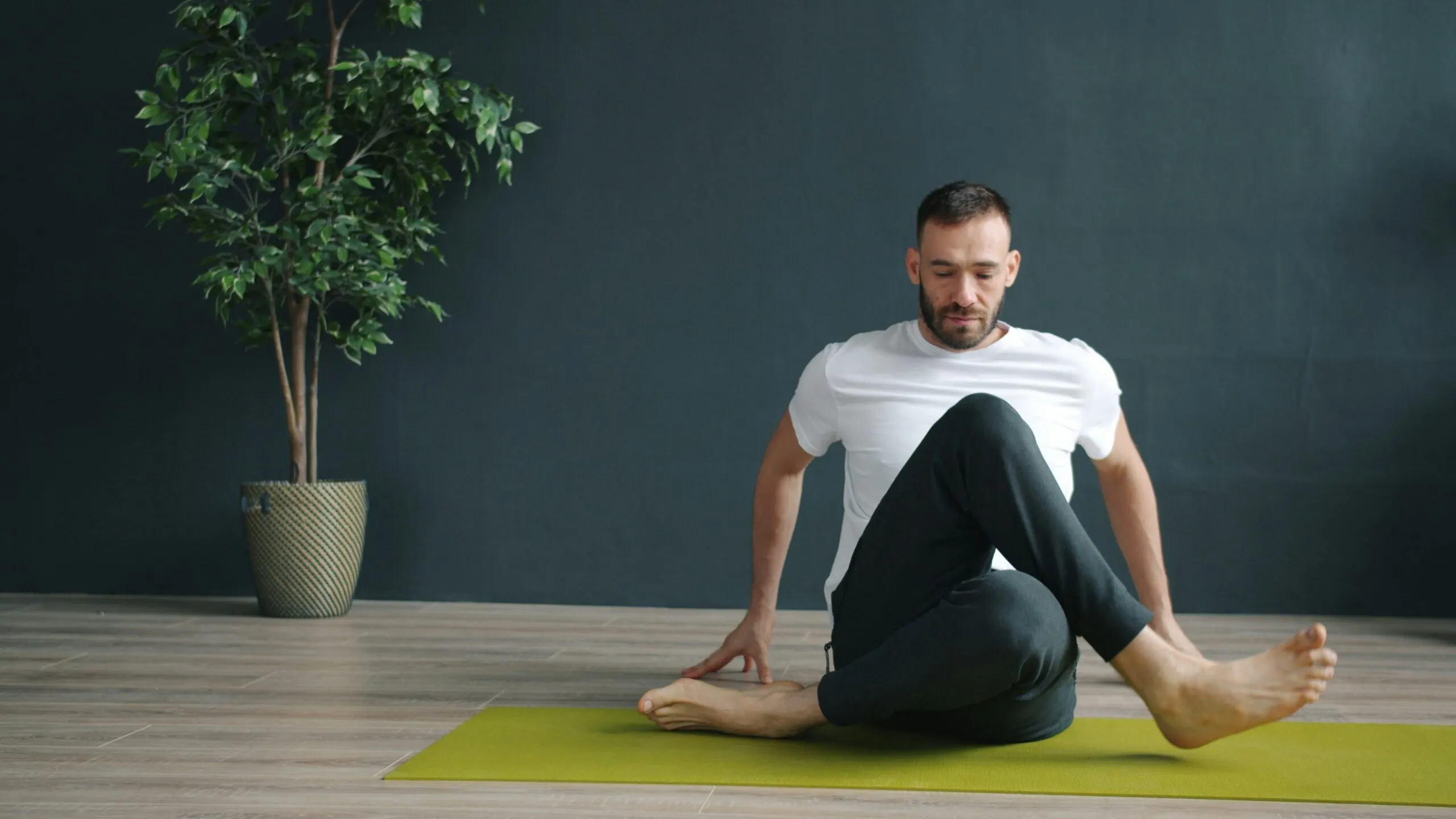
As we embark on our journey into the world of restorative yoga, we find ourselves drawn to its gentle embrace. Restorative yoga is not merely a physical practice; it is a holistic approach that nurtures our body, mind, and spirit. In this practice, we utilize props such as blankets, bolsters, and blocks to support our bodies in various poses, allowing us to relax deeply and release tension.
The essence of restorative yoga lies in its ability to create a safe space where we can surrender to stillness and cultivate a sense of inner peace. In our fast-paced lives, we often overlook the importance of rest. Restorative yoga invites us to slow down, breathe, and reconnect with ourselves.
It encourages us to listen to our bodies and honor our need for rejuvenation. As we settle into each pose, we are reminded that rest is not a luxury but a necessity for our overall well-being. This practice teaches us that by allowing ourselves to pause, we can cultivate a deeper awareness of our thoughts and emotions, paving the way for healing and restoration.
The Benefits of Restorative Yoga for Christians
For us as Christians, restorative yoga offers a unique opportunity to deepen our faith while nurturing our physical and emotional health. One of the most profound benefits of this practice is its ability to foster a sense of peace and tranquility. In a world filled with chaos and distractions, restorative yoga provides a sanctuary where we can quiet our minds and focus on God’s presence.
This intentional stillness allows us to reflect on our spiritual journey and draw closer to our Creator. Moreover, restorative yoga encourages us to embrace vulnerability. As we settle into supported poses, we are reminded that it is okay to let go of control and trust in God’s plan for our lives.
This practice teaches us that surrendering to rest is an act of faith, allowing us to release our burdens and worries into His hands. By cultivating this mindset, we can experience a profound sense of liberation and renewal, both physically and spiritually.
Incorporating Christian Meditation into Restorative Yoga

Integrating Christian meditation into our restorative yoga practice can enhance our experience and deepen our connection with God. As we move through gentle poses, we can focus on scripture or prayerful affirmations that resonate with our hearts. By incorporating these spiritual elements, we create a sacred space where our bodies and souls can unite in worship.
This fusion of movement and meditation allows us to engage with God on a deeper level, fostering a sense of intimacy in our relationship with Him. As we breathe deeply and settle into each pose, we can invite the Holy Spirit to guide our thoughts and intentions. We might choose to meditate on verses that speak of God’s love, grace, and restoration.
By repeating these scriptures silently or aloud, we allow their truth to permeate our hearts and minds. This practice not only enhances our physical relaxation but also cultivates spiritual growth, reminding us of God’s unwavering presence in our lives.
Biblical References to Rest and Restoration
The Bible is rich with references to rest and restoration, reminding us of the importance of taking time to recharge. In Genesis 2:2-3, we read that God Himself rested on the seventh day after creation, setting an example for us to follow. This divine pause serves as a reminder that rest is woven into the fabric of creation and is essential for our well-being.
As we engage in restorative yoga, we can reflect on this biblical principle and recognize that taking time for ourselves is not only permissible but encouraged by God. Additionally, passages such as Psalm 23:2-3 remind us that God leads us beside still waters and restores our souls. These verses resonate deeply as we practice restorative yoga, allowing us to visualize the tranquility that comes from being in God’s presence.
By meditating on these scriptures during our practice, we can experience a profound sense of peace and restoration that transcends our physical bodies.
Finding Peace and Stillness through Restorative Yoga
In the midst of life’s demands, finding peace and stillness can feel like an elusive goal. However, restorative yoga offers us a pathway to cultivate this serenity within ourselves. As we settle into supported poses, we create an environment conducive to relaxation and introspection.
The gentle stretches and deep breathing allow us to release tension stored in our bodies while inviting calmness into our minds. As we embrace this stillness, we may find that it becomes easier to connect with our thoughts and emotions. In this sacred space, we can confront what weighs heavily on our hearts while also inviting God’s peace to wash over us.
The practice of restorative yoga encourages us to be present in the moment, fostering an awareness that helps us navigate life’s challenges with grace and resilience.
Connecting with God through Restorative Yoga

Restorative yoga serves as a beautiful bridge connecting us with God in profound ways. As we engage in this practice, we create an opportunity for communion with Him through movement and stillness. Each breath becomes an invitation for His presence to fill the spaces within us that long for connection.
By focusing on our breath and aligning it with prayer or meditation, we open ourselves up to experiencing God’s love in tangible ways. In moments of stillness during restorative poses, we may find ourselves reflecting on God’s goodness or expressing gratitude for His blessings. This intentional connection allows us to cultivate a deeper relationship with Him as we surrender our worries and fears at His feet.
Through restorative yoga, we learn that connecting with God doesn’t always require words; sometimes, it simply requires being present in His presence.
Creating a Sacred Space for Restorative Yoga Practice
To fully embrace the benefits of restorative yoga, creating a sacred space for our practice is essential. This space should be inviting and calming—a sanctuary where we can retreat from the busyness of life. We might choose a quiet corner in our home adorned with soft lighting, comfortable props, and meaningful decor that reflects our faith journey.
By intentionally crafting this environment, we signal to ourselves that it is time to pause and connect with God. In this sacred space, we can incorporate elements that inspire tranquility—perhaps a candle flickering softly or soothing music playing in the background. We might also choose to display scripture verses or images that remind us of God’s love and grace.
By surrounding ourselves with these visual cues, we create an atmosphere conducive to relaxation and reflection, allowing us to fully immerse ourselves in the restorative experience.
Embracing Restorative Yoga as a Christian Meditation Practice
As we embrace restorative yoga as a form of Christian meditation, we discover a powerful tool for spiritual growth and renewal. This practice invites us to slow down, breathe deeply, and connect with God in ways that transcend traditional forms of prayer or meditation. By integrating movement with mindfulness, we create a holistic experience that nurtures both body and soul.
Incorporating restorative yoga into our spiritual routine allows us to cultivate a deeper awareness of God’s presence in our lives. As we move through poses while meditating on scripture or prayerful intentions, we open ourselves up to receiving His guidance and wisdom. This practice becomes not just an exercise for the body but a transformative journey toward greater intimacy with God—a journey that nourishes every aspect of who we are.
In conclusion, restorative yoga offers us a unique opportunity to connect with ourselves and God on a deeper level. By understanding its principles, embracing its benefits as Christians, incorporating meditation practices, reflecting on biblical teachings about rest, creating sacred spaces for practice, and ultimately embracing it as a form of Christian meditation—together we can experience profound transformation in our lives. Let us take this journey together toward peace, restoration, and deeper connection with the Divine through the gentle art of restorative yoga.
Restorative Yoga can serve as a profound Christian meditation practice, allowing individuals to connect deeply with their faith while promoting relaxation and mindfulness. For those interested in exploring how lifestyle choices can enhance spiritual well-being, a related article on the importance of holistic living can be found at this link. This resource offers insights into how various lifestyle practices, including yoga and meditation, can support a more balanced and spiritually fulfilling life.
FAQs
What is restorative yoga?
Restorative yoga is a gentle form of yoga that focuses on relaxation and healing. It uses props such as blankets, bolsters, and blocks to support the body in various poses, allowing for deep rest and stress relief.
How does restorative yoga differ from other types of yoga?
Unlike more vigorous styles of yoga, restorative yoga emphasizes slow, passive stretching and prolonged holds of poses. The goal is to calm the nervous system and promote physical and mental relaxation rather than build strength or flexibility.
Can restorative yoga be integrated with Christian meditation?
Yes, restorative yoga can be integrated with Christian meditation by using the restful poses as a physical foundation for prayer, scripture reflection, or contemplative silence. This combination can enhance spiritual focus and inner peace.
Is restorative yoga appropriate for beginners?
Absolutely. Restorative yoga is accessible to people of all fitness levels and ages because it is gentle and uses props to support the body, making it safe and comfortable for beginners.
What are the benefits of practicing restorative yoga as a Christian meditation practice?
Practicing restorative yoga alongside Christian meditation can help reduce stress, improve mental clarity, deepen spiritual connection, and create a peaceful environment conducive to prayer and reflection.
Do I need any special equipment to practice restorative yoga?
While not mandatory, using props such as yoga blankets, bolsters, blocks, and straps can enhance comfort and support during restorative yoga poses, making the practice more effective and accessible.
Is restorative yoga suitable for people with physical limitations or injuries?
Yes, restorative yoga is often recommended for individuals with physical limitations or recovering from injuries because it is low-impact and focuses on gentle support and relaxation.
How long are typical restorative yoga sessions?
Restorative yoga sessions usually last between 30 to 60 minutes, with poses held for several minutes to encourage deep relaxation.
Can restorative yoga replace traditional Christian meditation practices?
Restorative yoga is not intended to replace traditional Christian meditation but can complement it by providing a physical practice that supports mental and spiritual stillness.
Where can I learn more about combining restorative yoga with Christian meditation?
You can find resources through Christian yoga ministries, books on faith-based yoga practices, online courses, and local yoga studios that offer classes integrating spirituality and restorative yoga.