
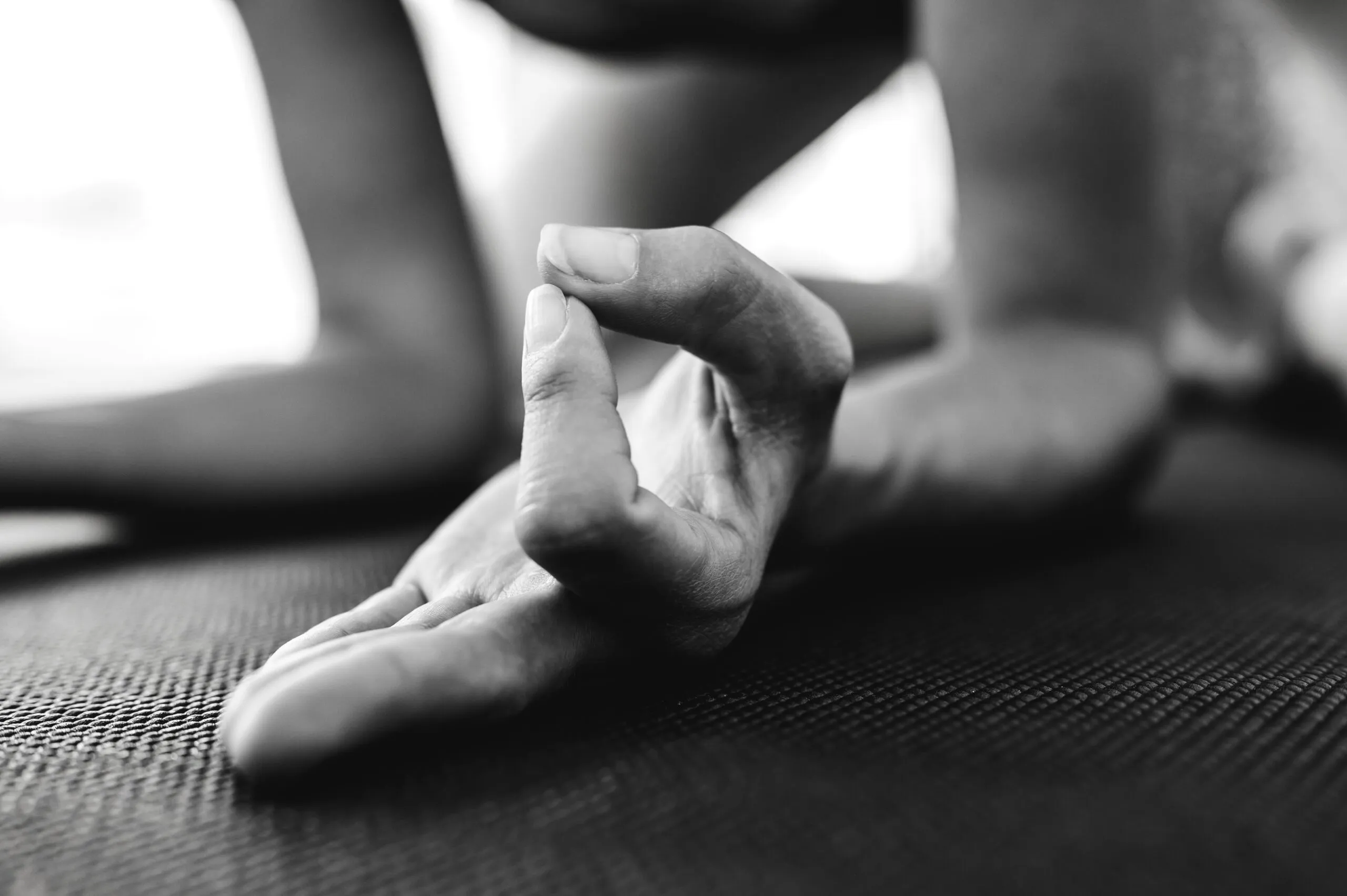
Restorative yoga is a gentle, calming practice designed to promote relaxation and healing. As we step onto our mats, we find ourselves enveloped in a nurturing environment where the focus shifts from the hustle and bustle of daily life to a serene space of self-care. This style of yoga encourages us to slow down, allowing our bodies to rest and rejuvenate.
Unlike more vigorous forms of yoga, restorative yoga emphasizes passive stretching and the use of props, such as bolsters, blankets, and blocks, to support our bodies in various poses. In this practice, we often hold poses for extended periods, sometimes up to 20 minutes, which allows us to sink deeper into relaxation. The intention is not to push our limits but rather to cultivate a sense of ease and comfort.
As we settle into each pose, we create an opportunity for our minds to quiet down and for our bodies to release tension. This gentle approach invites us to reconnect with ourselves, fostering a deeper awareness of our physical and emotional states.
The Benefits of Restorative Yoga
The benefits of restorative yoga are vast and multifaceted, touching on both physical and mental well-being. As we engage in this practice, we often notice a significant reduction in stress levels. The slow, deliberate movements and extended holds allow our nervous systems to shift from a state of fight-or-flight to one of rest and digest.
This transition can lead to lower blood pressure, improved digestion, and enhanced immune function. We may find that our bodies feel lighter and more at ease after just one session. Moreover, restorative yoga can be a powerful tool for emotional healing.
As we cultivate a sense of safety on our mats, we create space for introspection and self-discovery. This practice encourages us to confront our emotions without judgment, allowing us to process feelings that may have been buried beneath the surface. Many practitioners report experiencing increased clarity and emotional resilience as they incorporate restorative yoga into their routines.
By nurturing our bodies and minds in this way, we can foster a greater sense of balance and harmony in our lives.
How Restorative Yoga Differs from Other Yoga Styles

While many forms of yoga focus on building strength and flexibility through dynamic movements, restorative yoga stands apart by prioritizing relaxation and restoration. In contrast to more vigorous styles like vinyasa or power yoga, which often leave us feeling invigorated yet fatigued, restorative yoga invites us to embrace stillness. This distinction is crucial; it allows us to explore the depths of our inner landscape without the distractions of physical exertion.
Additionally, restorative yoga places a strong emphasis on the use of props to support our bodies in various poses. This support enables us to fully relax into each posture without straining or forcing ourselves into uncomfortable positions. In other styles of yoga, we may feel compelled to push ourselves further or achieve specific postures.
However, in restorative yoga, the goal is simply to be present with ourselves, cultivating a sense of acceptance and compassion for where we are in our journey.
The Key Elements of a Restorative Yoga Practice
As we embark on our restorative yoga journey, several key elements come into play that enhance our experience. First and foremost is the use of props. Bolsters, blankets, straps, and blocks become our allies in this practice, providing the necessary support to help us fully relax into each pose.
By utilizing these tools, we can create a comfortable environment that encourages deep release and surrender. Another essential element is the focus on breath. In restorative yoga, we learn to connect with our breath as a means of grounding ourselves in the present moment.
As we inhale deeply and exhale slowly, we invite a sense of calm into our bodies. This conscious breathing not only helps us relax but also serves as a bridge between our minds and bodies, allowing us to cultivate greater awareness of our physical sensations and emotional states.
Tips for Getting the Most Out of Your Restorative Yoga Practice
To truly reap the benefits of restorative yoga, we can adopt several strategies that enhance our practice. First, creating a dedicated space for our practice can significantly impact our experience. Whether it’s a corner of our living room or a quiet spot in nature, having a designated area helps signal to our minds that it’s time to unwind.
We can adorn this space with soft lighting, calming scents, or even soothing music to further enhance the atmosphere. Additionally, setting an intention before each session can guide us throughout our practice. This intention might be as simple as “I choose to let go” or “I embrace stillness.” By anchoring ourselves with this intention, we create a focal point that helps us stay present during our practice.
It serves as a gentle reminder of what we hope to cultivate within ourselves—be it peace, acceptance, or healing.
Common Restorative Yoga Poses

As we explore restorative yoga, we encounter several common poses that serve as the foundation for our practice. One such pose is Supta Baddha Konasana, or Bound Angle Pose. In this pose, we lie on our backs with the soles of our feet together and knees gently splayed open.
Supported by bolsters or blankets under our knees and head, we can fully relax into the pose while opening up the hips and heart. Another popular restorative pose is Viparita Karani, or Legs-Up-the-Wall Pose. By lying on our backs with our legs extended up against a wall, we create an inversion that promotes circulation and relaxation.
This pose is particularly beneficial for alleviating tension in the lower back and legs while calming the mind. As we settle into these poses and others like Child’s Pose or Supported Bridge Pose, we allow ourselves to experience the profound stillness that restorative yoga offers.
The Importance of Breath in Restorative Yoga
Breath is often referred to as the bridge between the body and mind, and in restorative yoga, it takes center stage. As we move through each pose, we learn to synchronize our breath with our movements, creating a harmonious flow that enhances our experience. Deepening our breath allows us to tap into the parasympathetic nervous system—the part responsible for relaxation—inviting a sense of calmness throughout our entire being.
In restorative yoga, we can practice various breathing techniques that further deepen our connection with ourselves. For instance, practicing diaphragmatic breathing encourages us to fill our lungs fully while engaging the diaphragm. This technique not only promotes relaxation but also helps release tension stored in the body.
By focusing on our breath during each pose, we cultivate mindfulness and presence—two essential components of a fulfilling restorative practice.
How Restorative Yoga Can Help Manage Stress and Anxiety
In today’s fast-paced world, stress and anxiety have become all too common companions in our lives. Restorative yoga offers a sanctuary where we can retreat from these overwhelming feelings and find solace within ourselves. By engaging in this gentle practice regularly, we can develop tools to manage stress more effectively.
As we immerse ourselves in restorative poses and focus on our breath, we activate the relaxation response within our bodies. This response counteracts the effects of stress hormones like cortisol, helping us feel more grounded and centered. Over time, many practitioners find that their ability to cope with stress improves significantly; they become more resilient in the face of life’s challenges.
Moreover, restorative yoga encourages us to cultivate self-compassion—a vital aspect of managing anxiety. As we learn to accept ourselves without judgment during our practice, we create space for healing and growth. This newfound compassion extends beyond the mat; it seeps into our daily lives, allowing us to approach challenges with greater ease and understanding.
In conclusion, restorative yoga is not just a practice; it’s an invitation to reconnect with ourselves on a deeper level. Through its gentle approach and emphasis on relaxation, we can experience profound benefits for both body and mind. As we embrace this journey together—supporting one another on our mats—we discover the transformative power of stillness and self-care in an ever-demanding world.
If you're interested in exploring more about stress relief techniques, you might find the article on blueberry pancakes quite delightful. Not only does it provide a delicious recipe, but it also emphasizes the importance of mindful eating, which can complement the calming effects of restorative yoga. Check it out here: Blueberry Pancakes with Maple Syrup Recipe.
FAQs
What is restorative yoga?
Restorative yoga is a gentle style of yoga that focuses on relaxation and stress relief. It uses props like bolsters, blankets, and blocks to support the body in various poses, allowing for deep rest and recovery.
How does restorative yoga help reduce stress?
Restorative yoga activates the parasympathetic nervous system, which promotes relaxation and lowers stress hormones. The slow, supported poses encourage deep breathing and mindfulness, helping to calm the mind and release tension in the body.
Who can practice restorative yoga?
Restorative yoga is suitable for people of all ages and fitness levels, including beginners, seniors, and those recovering from injury or illness. Its gentle approach makes it accessible to anyone seeking relaxation and stress relief.
What props are commonly used in restorative yoga?
Common props include yoga bolsters, blankets, blocks, straps, and cushions. These props support the body in various poses, allowing muscles to relax fully without strain.
How long are typical restorative yoga sessions?
Sessions usually last between 30 to 60 minutes. Poses are held for extended periods, often 5 to 10 minutes or longer, to maximize relaxation and restorative benefits.
Can restorative yoga improve sleep quality?
Yes, restorative yoga can improve sleep by reducing stress and promoting relaxation. Practicing restorative poses before bedtime may help calm the nervous system and prepare the body for restful sleep.
Is restorative yoga different from yin yoga?
Yes, while both are slow-paced and involve holding poses, restorative yoga focuses on complete relaxation with full support from props, whereas yin yoga targets connective tissues with minimal support and slightly more active engagement.
Do I need prior yoga experience to try restorative yoga?
No prior experience is necessary. Restorative yoga is beginner-friendly and emphasizes comfort and ease, making it an excellent introduction to yoga practice.
How often should I practice restorative yoga for best results?
Practicing restorative yoga regularly, such as 2-3 times per week, can help maintain lower stress levels and improve overall well-being. However, even occasional sessions can provide significant relaxation benefits.
Can restorative yoga help with chronic pain?
Restorative yoga may help alleviate chronic pain by promoting relaxation, reducing muscle tension, and improving circulation. It is often recommended as a complementary practice alongside medical treatment.