
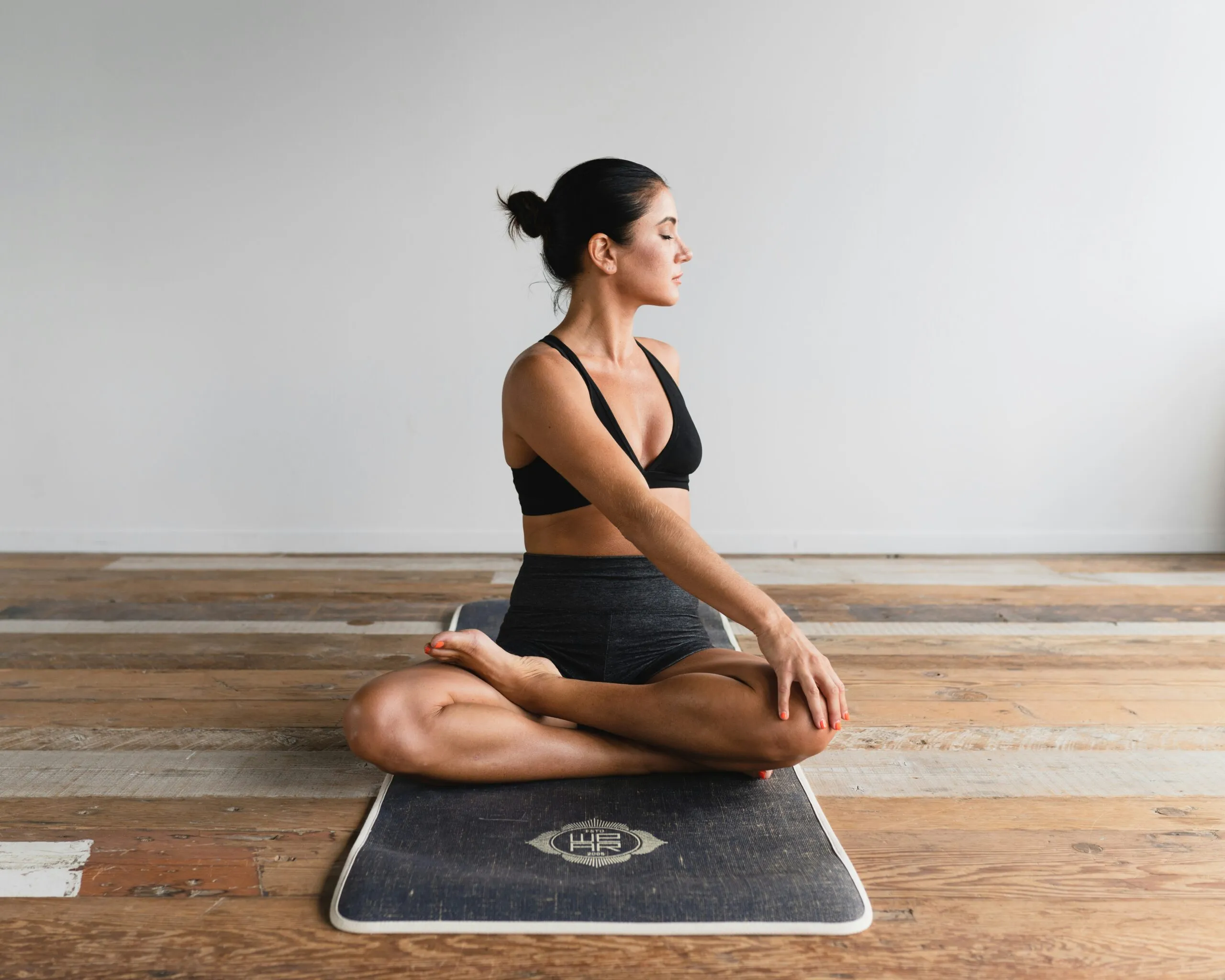
When we think about restorative yoga, we envision a practice that invites us to slow down and reconnect with our bodies. This style of yoga is all about relaxation and rejuvenation. It encourages us to find stillness, allowing our bodies to rest and recover from the stresses of daily life.
In restorative yoga, we use props like bolsters, blankets, and blocks to support our bodies in various poses, enabling us to hold them for extended periods. This gentle approach helps us cultivate a deep sense of peace and tranquility. As we engage in restorative yoga, we learn to listen to our bodies and honor our limits.
The practice is designed to activate the parasympathetic nervous system, which promotes relaxation and healing. By focusing on breath and mindfulness, we create a safe space for ourselves to unwind. This practice is particularly beneficial for those of us who lead busy lives, as it offers a sanctuary where we can recharge and restore our energy.
Through restorative yoga, we can cultivate a deeper connection with ourselves, fostering a sense of self-awareness and compassion.
Understanding Yin Yoga
Yin yoga, on the other hand, presents a different approach to our practice. It emphasizes long-held postures that target the connective tissues of the body, such as ligaments, tendons, and fascia. In yin yoga, we typically hold poses for several minutes, allowing gravity to do its work as we gently stretch and release tension.
This practice encourages us to explore the edges of our flexibility while maintaining a sense of ease and surrender. As we delve into yin yoga, we discover that it is not just about physical stretching; it also invites us to explore our mental and emotional landscapes. The stillness of the poses provides an opportunity for introspection and mindfulness.
We learn to observe our thoughts and feelings without judgment, creating space for self-discovery and growth. Yin yoga teaches us patience and resilience, reminding us that true transformation often requires time and dedication.
The Physical Differences

When we compare restorative yoga and yin yoga, the physical differences become apparent. Restorative yoga focuses on complete relaxation and support, allowing us to sink deeply into poses with the help of props. The goal is to release tension and promote healing through gentle stretching and passive poses.
We often find ourselves in positions that encourage deep breathing and relaxation, such as supported child’s pose or legs-up-the-wall pose. These poses are held for extended periods, often ranging from five to twenty minutes, allowing our bodies to fully relax. In contrast, yin yoga challenges us to engage with our bodies in a different way.
While we still use props, the emphasis is on finding depth in each pose rather than complete support. We may hold poses like butterfly or dragon for three to five minutes, feeling the stretch in our connective tissues while maintaining a sense of awareness. The physical intensity of yin yoga can vary depending on our individual flexibility and comfort levels.
This practice encourages us to explore our limits while remaining mindful of our breath and sensations.
The Mental and Emotional Differences
The mental and emotional aspects of restorative and yin yoga also differ significantly. In restorative yoga, we cultivate a sense of calm and serenity as we allow ourselves to fully relax. The practice encourages us to let go of stress and anxiety, creating a safe space for emotional release.
As we settle into each pose, we may find ourselves reflecting on our thoughts and feelings, but the primary focus remains on relaxation and self-care. Yin yoga, however, invites us to confront our mental and emotional landscapes more directly. The long-held poses can bring up discomfort or restlessness, prompting us to explore our reactions and responses.
This practice teaches us to sit with our feelings rather than avoid them. As we breathe through challenging moments in yin yoga, we develop resilience and emotional awareness. We learn that discomfort can be a catalyst for growth, helping us cultivate a deeper understanding of ourselves.
The Benefits of Restorative Yoga
The benefits of restorative yoga are profound and far-reaching. One of the most significant advantages is its ability to reduce stress and promote relaxation. In today’s fast-paced world, many of us struggle with chronic stress, which can lead to various health issues.
Restorative yoga provides a much-needed respite from the chaos of daily life, allowing us to recharge our minds and bodies. Additionally, restorative yoga enhances our overall well-being by improving sleep quality and boosting immune function. As we engage in this gentle practice, we activate the body’s natural healing mechanisms, promoting physical health and emotional balance.
The focus on breathwork in restorative yoga also helps us cultivate mindfulness, enabling us to stay present in our lives. By incorporating restorative yoga into our routines, we can experience greater clarity, focus, and emotional stability.
The Benefits of Yin Yoga

Yin yoga offers its own unique set of benefits that complement those of restorative yoga. One of the primary advantages is increased flexibility and joint mobility. As we hold poses for extended periods, we gradually release tension in our connective tissues, allowing for greater range of motion over time.
This practice can be particularly beneficial for athletes or those who engage in more vigorous forms of exercise. Moreover, yin yoga fosters emotional resilience by encouraging us to confront discomfort head-on. As we sit with challenging sensations in our bodies, we learn to cultivate patience and acceptance.
This practice can lead to profound insights about ourselves and our emotional patterns. Additionally, yin yoga promotes mindfulness by encouraging us to stay present with our breath and sensations throughout each pose. By integrating yin yoga into our lives, we can experience enhanced physical flexibility alongside emotional growth.
How to Choose the Right Practice for You
Choosing between restorative and yin yoga ultimately depends on our individual needs and goals. If we are seeking a gentle practice focused on relaxation and stress relief, restorative yoga may be the ideal choice for us. This style is perfect for those times when we feel overwhelmed or fatigued, providing a nurturing environment for self-care.
On the other hand, if we are looking to deepen our physical flexibility while also exploring our emotional landscape, yin yoga may be more suitable. This practice challenges us to engage with discomfort while cultivating mindfulness and resilience. It’s essential for us to listen to our bodies and honor what they need at any given moment.
We may even find that alternating between restorative and yin yoga offers a well-rounded approach that addresses both relaxation and growth.
Combining Restorative and Yin Yoga for a Well-Rounded Practice
For those of us who want the best of both worlds, combining restorative and yin yoga can create a well-rounded practice that nurtures both body and mind. By integrating elements from both styles, we can experience the benefits of deep relaxation alongside increased flexibility and emotional awareness. We might begin with restorative poses to ground ourselves before transitioning into longer-held yin postures that challenge our limits.
This combination allows us to cultivate a holistic approach to our well-being. We can enjoy the soothing effects of restorative yoga while also embracing the transformative power of yin yoga. By alternating between these practices or incorporating them into a single session, we create a dynamic experience that supports both relaxation and growth.
Ultimately, whether we choose restorative yoga, yin yoga, or a blend of both, what matters most is that we honor ourselves on this journey toward greater self-awareness and well-being.
If you're exploring the differences between Restorative Yoga and Yin Yoga, you might also find it helpful to read about various lifestyle choices that can enhance your practice. For more insights, check out this article on lifestyle tips at LiveTastic. Understanding how different aspects of your lifestyle can impact your yoga practice may help you decide which style is best suited for your needs.
FAQs
What is Restorative Yoga?
Restorative Yoga is a gentle, relaxing style of yoga that uses props like bolsters, blankets, and blocks to support the body in passive poses. It focuses on deep relaxation and stress relief by holding poses for extended periods, allowing the body to rest and restore.
What is Yin Yoga?
Yin Yoga is a slow-paced style of yoga that targets the connective tissues, such as ligaments, joints, and fascia. Poses are held for longer durations, typically 3 to 5 minutes or more, to improve flexibility and increase circulation in the joints.
How do Restorative Yoga and Yin Yoga differ?
While both styles involve holding poses for extended periods, Restorative Yoga emphasizes complete relaxation with the use of props to support the body, aiming to reduce stress and promote healing. Yin Yoga, on the other hand, involves minimal support and targets deeper connective tissues to enhance flexibility and joint mobility.
Which style is better for beginners?
Both Restorative and Yin Yoga can be suitable for beginners, but Restorative Yoga is often recommended for those seeking relaxation and stress relief, as it is very gentle and supportive. Yin Yoga may require more body awareness and patience due to the longer holds and deeper stretches.
Can Restorative Yoga help with stress and anxiety?
Yes, Restorative Yoga is specifically designed to activate the parasympathetic nervous system, promoting relaxation and reducing stress and anxiety levels.
Is Yin Yoga good for improving flexibility?
Yes, Yin Yoga targets the deep connective tissues and helps increase flexibility and joint mobility over time through sustained stretches.
How long are poses typically held in Restorative and Yin Yoga?
In Restorative Yoga, poses are usually held for 5 to 20 minutes with full support to encourage relaxation. In Yin Yoga, poses are generally held for 3 to 5 minutes or longer to stretch connective tissues.
Do I need any special equipment for these yoga styles?
Restorative Yoga often requires props such as bolsters, blankets, blocks, and straps to support the body. Yin Yoga may use minimal props, but some practitioners use blocks or blankets for comfort during longer holds.
Can these yoga styles be combined in a practice?
Yes, many practitioners combine elements of Restorative and Yin Yoga in their routines to balance deep stretching with relaxation and recovery.
Who should avoid Restorative or Yin Yoga?
Individuals with certain injuries or medical conditions should consult a healthcare professional before practicing these styles. Yin Yoga’s deep stretches may not be suitable for those with joint issues, while Restorative Yoga is generally safe but should be modified as needed.