
Mindfulness is a big word that means paying attention to what’s happening right now. It’s about being aware of our thoughts, feelings, and surroundings without judging them. In our busy lives, we often rush from one thing to another, barely noticing what’s going on around us. We might be thinking about what we need to do next or worrying about something that happened yesterday. But when we practice mindfulness, we can slow down and really experience life as it unfolds. This is important because it helps us connect with ourselves and the world around us.
When we are mindful, we can better understand our emotions and reactions. Instead of just reacting to things, we can take a moment to think about how we feel and why we feel that way. This can help us make better choices and respond to situations in a more thoughtful way. Mindfulness also allows us to appreciate the little things in life, like the sound of birds chirping or the warmth of the sun on our skin. By being present, we can find joy in everyday moments that we might otherwise overlook.
Being Present in the Moment
Being present means focusing on what is happening right now instead of getting lost in our thoughts about the past or future. It’s like when we’re playing a game with friends; we’re fully engaged, laughing, and enjoying every moment. But sometimes, our minds wander off to what homework we have to do later or what happened last week. When we bring our attention back to the game, we can enjoy it so much more. This is what being present is all about—fully engaging with whatever we are doing at that moment.
When we practice being present, we can notice the details around us. We might see the colors of the leaves on a tree or hear the laughter of children playing nearby. These small details can bring us happiness and help us feel more connected to our surroundings. It’s like putting on a pair of special glasses that help us see the beauty in everyday life. By focusing on the present, we can create wonderful memories and experiences that stay with us long after they happen.
The Art of Being Present
Being present is an art form that takes practice. Just like learning to paint or play an instrument, it requires patience and dedication. We can start by setting aside a few minutes each day to focus on our breath or observe our surroundings. This practice helps us train our minds to stay in the moment instead of wandering off into thoughts about what’s next or what’s already happened. Over time, we can become more skilled at being present in all areas of our lives.
One way to practice this art is through meditation. Meditation allows us to sit quietly and focus on our breath or a specific thought. When our minds start to drift, we gently bring our attention back to our breath or the thought we chose. This simple act helps us build our ability to stay present in everyday situations, whether we’re talking with a friend or enjoying a meal. The more we practice, the easier it becomes to find peace and joy in the present moment.
The Benefits of Being Present
Being present has many benefits that can improve our overall well-being. When we focus on the here and now, we often feel less stressed and anxious. Our minds are not cluttered with worries about what might happen tomorrow or regrets about what happened yesterday. Instead, we can enjoy life as it comes, which can lead to greater happiness and contentment.
Another benefit of being present is that it helps us build stronger relationships with others. When we are fully engaged in conversations, we listen better and connect more deeply with those around us. This can lead to more meaningful interactions and a greater sense of belonging. Plus, when we share moments with friends and family while being present, those memories become even more special and cherished.
How to Practice Being Present
Practicing being present doesn’t have to be complicated. We can start by incorporating small moments of mindfulness into our daily routines. For example, when we eat a meal, we can take a moment to appreciate the flavors and textures of the food instead of rushing through it. We might notice how the food smells or how it feels in our mouths. This simple act can transform mealtime into a joyful experience.
Another way to practice being present is through mindful walking. When we take a walk, we can pay attention to each step we take and how our feet feel on the ground. We can notice the sights and sounds around us—the rustling leaves, the chirping birds, or even the laughter of people nearby. By focusing on these details, we can turn an ordinary walk into a delightful adventure.
Overcoming Distractions
In today’s world, distractions are everywhere! Our phones buzz with notifications, and there are always things vying for our attention. Overcoming these distractions is essential if we want to be more present in our lives. One way to do this is by setting aside specific times during the day when we put away our devices and focus on what’s happening around us.
We can also create a peaceful environment that encourages mindfulness. This might mean finding a quiet space where we can sit without interruptions or turning off background noise like television or music while we engage in activities like reading or spending time with family. By minimizing distractions, we give ourselves the opportunity to be fully present and enjoy each moment.
Cultivating Gratitude in the Present Moment
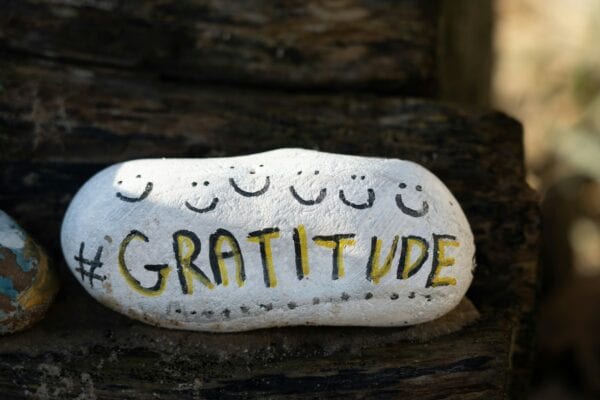
Gratitude is a powerful tool that helps us appreciate what we have right now. When we practice gratitude, we shift our focus from what’s missing in our lives to what’s already there. This shift can help us feel happier and more content in the present moment. One way to cultivate gratitude is by keeping a gratitude journal where we write down things we are thankful for each day.
We can also take time during our day to reflect on moments of gratitude. For example, when we wake up in the morning, we might think about three things we are grateful for before getting out of bed. This simple practice can set a positive tone for the day ahead and help us notice all the good things around us as they happen.
Finding Joy in the Present
Finding joy in the present moment is one of the most rewarding aspects of mindfulness. When we are fully engaged in what we are doing, whether it’s playing a game, spending time with friends, or enjoying nature, joy naturally arises within us. It’s like discovering hidden treasures in everyday life! We might find joy in watching a beautiful sunset or laughing with friends over a silly joke.
To enhance this joy, we can try new activities that excite us or revisit old hobbies that bring us happiness. Whether it’s painting, dancing, or playing sports, engaging in activities that make us feel alive helps us connect with the present moment and experience joy more deeply.
Letting Go of the Past and Future
Letting go of thoughts about the past and future is crucial for being present. Often, we get caught up in regrets about things that have already happened or worries about what might come next. But when we learn to release these thoughts, we free ourselves to enjoy life as it is right now. One way to practice letting go is through deep breathing exercises; as we breathe in and out slowly, we can visualize releasing any negative thoughts or worries.
We can also remind ourselves that it’s okay not to have everything figured out right now. Life is full of uncertainties, and that’s part of what makes it exciting! By accepting that some things are beyond our control, we can focus on making the most of each moment instead of stressing over what lies ahead.
Embracing the Power of Now
Embracing the power of now means recognizing that this moment is all we truly have. The past is gone, and the future hasn’t happened yet; all that exists is this very moment! When we embrace this idea, it becomes easier to let go of distractions and worries that hold us back from experiencing life fully.
We can remind ourselves that every moment offers an opportunity for growth and connection. Whether it’s sharing a laugh with friends or enjoying a quiet moment alone, each experience contributes to who we are becoming. By embracing the power of now, we open ourselves up to endless possibilities for joy and fulfillment.
Living a More Fulfilling Life through Presence
Living a more fulfilling life through presence means making a conscious choice to engage fully with each moment as it comes. When we practice mindfulness and embrace being present, we create deeper connections with ourselves and others while finding joy in everyday experiences. This leads to greater happiness and satisfaction in life.
As we continue on this journey toward mindfulness, let’s remember that it’s okay to take small steps along the way. Each moment spent practicing presence brings us closer to living a life filled with meaning and joy. Together, let’s commit to being more mindful and embracing every moment as it unfolds!
FAQs
What is the main theme of "The Gift of Being Where Your Feet Are"?
The main theme of "The Gift of Being Where Your Feet Are" is mindfulness and the importance of being fully present in the current moment.
Who is the author of "The Gift of Being Where Your Feet Are"?
The article is written by Jon Kabat-Zinn, a well-known teacher and advocate of mindfulness meditation.
What does the phrase "being where your feet are" mean?
The phrase means focusing your attention on the present moment and your immediate experience, rather than being distracted by past regrets or future worries.
How can practicing mindfulness benefit individuals?
Practicing mindfulness can reduce stress, improve emotional regulation, enhance concentration, and promote overall well-being.
Is "The Gift of Being Where Your Feet Are" related to meditation?
Yes, the article discusses mindfulness meditation as a key practice to cultivate awareness and presence in everyday life.