
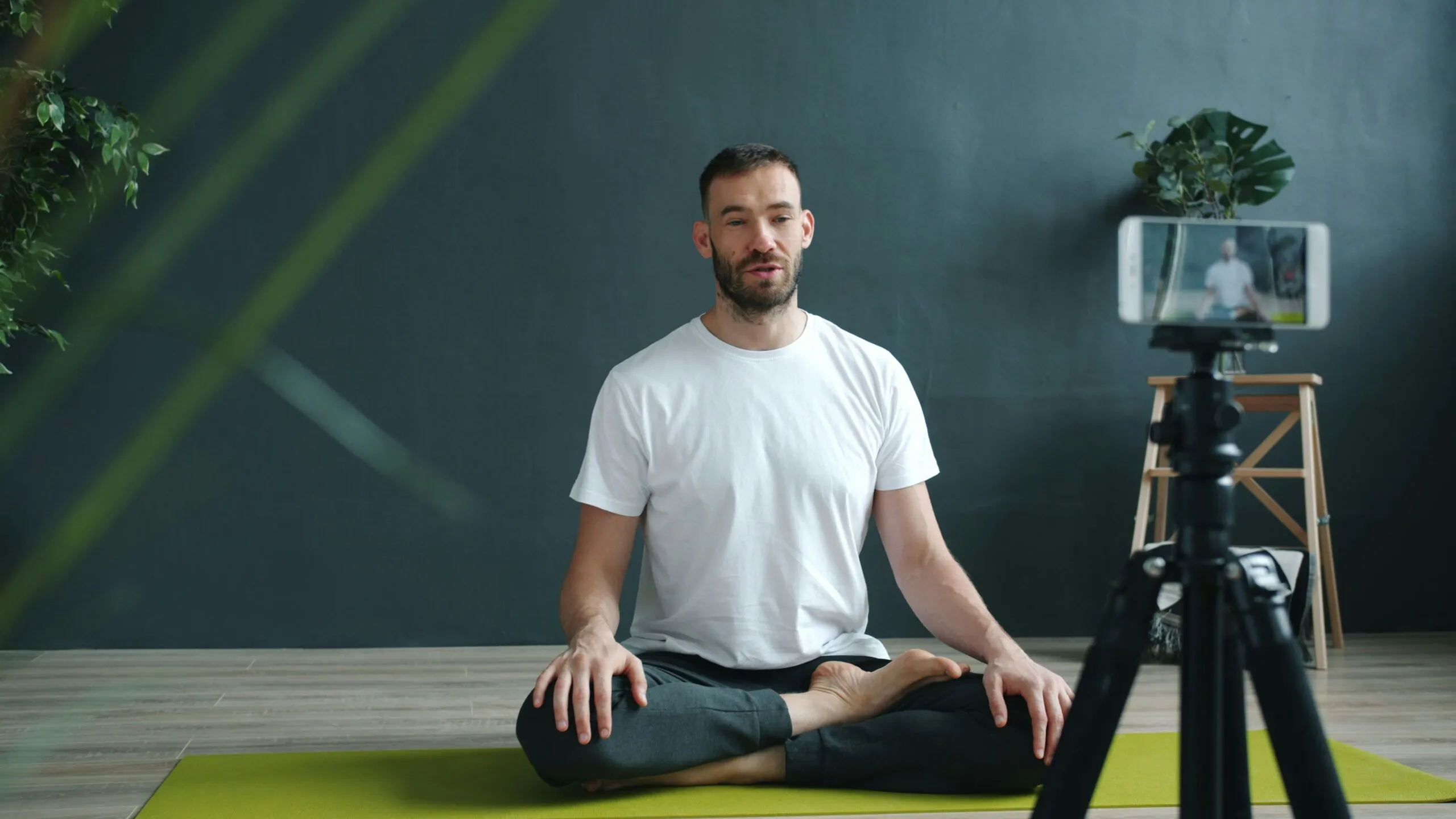
As we embark on our journey into the world of yoga, we often encounter a variety of styles, each with its unique approach and philosophy. Among these, Yin Yoga stands out as a gentle yet profound practice that invites us to slow down and connect deeply with our bodies. Unlike more dynamic forms of yoga, such as Vinyasa or Ashtanga, which emphasize movement and flow, Yin Yoga encourages us to hold postures for extended periods, typically ranging from three to five minutes.
This deliberate stillness allows us to explore the deeper layers of our physical and emotional selves. In Yin Yoga, we focus on the connective tissues—ligaments, tendons, and fascia—rather than the muscles. This distinction is crucial, as it sets Yin apart from other practices that primarily target muscle engagement and strength.
By holding poses for longer durations, we create space for our bodies to release tension and cultivate a sense of inner peace. As we delve into the essence of Yin Yoga, we discover that it is not merely a physical practice; it is a holistic approach that nurtures our entire being—body, mind, and spirit.
The Physical Benefits of Yin Yoga: How it Improves Flexibility, Joint Health, and Circulation
When we engage in Yin Yoga, we unlock a treasure trove of physical benefits that can significantly enhance our overall well-being. One of the most notable advantages is improved flexibility. As we hold poses for several minutes, we gently stretch our connective tissues, allowing them to lengthen and become more pliable.
This gradual process not only increases our range of motion but also helps prevent injuries in our daily activities and other physical pursuits. Moreover, Yin Yoga plays a vital role in promoting joint health. By targeting the ligaments and tendons surrounding our joints, we encourage better circulation and nourishment to these areas.
This increased blood flow can alleviate stiffness and discomfort, making it easier for us to move freely and comfortably. As we practice Yin Yoga regularly, we may find that our joints feel more resilient and less prone to injury, allowing us to enjoy a more active lifestyle.
The Mental and Emotional Benefits of Yin Yoga: Stress Relief, Increased Mindfulness, and Emotional Release

Beyond the physical advantages, Yin Yoga offers profound mental and emotional benefits that can transform our lives. In today's fast-paced world, stress has become an all-too-familiar companion. However, as we settle into the stillness of Yin Yoga, we create a sanctuary for ourselves—a space where we can let go of the chaos and reconnect with our inner selves.
The practice encourages us to breathe deeply and mindfully, fostering a sense of calm that permeates our entire being. As we cultivate mindfulness through Yin Yoga, we become more attuned to our thoughts and emotions. This heightened awareness allows us to observe our feelings without judgment, creating an opportunity for emotional release.
We may find ourselves processing long-held emotions or simply allowing ourselves to be present with whatever arises during our practice. This gentle exploration can lead to greater emotional resilience and a deeper understanding of ourselves.
The Energetic Benefits of Yin Yoga: Balancing the Body's Energy Systems and Enhancing Overall Well-Being
Yin Yoga is not just about physical postures; it also engages with the energetic systems within us. In traditional Chinese medicine, the concept of Qi (or Chi) refers to the vital life force that flows through our bodies. When this energy is blocked or stagnant, it can lead to physical discomfort or emotional imbalance.
Through the practice of Yin Yoga, we create pathways for this energy to flow freely, promoting harmony within ourselves. As we hold poses that correspond to specific meridians in the body, we stimulate the flow of Qi and encourage balance among our energy systems. This energetic alignment can enhance our overall well-being, leaving us feeling revitalized and centered.
By incorporating Yin Yoga into our routine, we not only nurture our physical bodies but also cultivate a deeper connection to our inner energy landscape.
How Yin Yoga Can Help with Chronic Pain and Injury Recovery
For those of us dealing with chronic pain or recovering from injuries, Yin Yoga can be a gentle yet effective ally on our healing journey. The slow-paced nature of this practice allows us to approach our bodies with compassion and care. By holding poses for extended periods, we can gradually release tension in areas that may be contributing to discomfort or pain.
Yin Yoga encourages us to listen to our bodies and honor their needs. This mindful approach can help us develop a greater awareness of our physical limitations while also fostering a sense of empowerment as we work towards recovery. Many practitioners have reported significant improvements in their chronic pain conditions after incorporating Yin Yoga into their routines, finding relief through gentle stretching and mindful movement.
The Importance of Yin Yoga for a Balanced and Holistic Yoga Practice

In the pursuit of a balanced yoga practice, incorporating Yin Yoga is essential. While dynamic styles may invigorate us and build strength, they often leave little room for introspection and stillness. Yin Yoga complements these practices by providing a counterbalance—a time for reflection and deep relaxation.
By integrating both active and passive forms of yoga into our routines, we create a holistic approach that nurtures every aspect of our being. Moreover, Yin Yoga encourages us to cultivate patience and acceptance—qualities that are invaluable both on and off the mat. As we learn to embrace stillness and surrender to the present moment during our practice, we develop skills that can enhance our daily lives.
This balance between effort and ease allows us to navigate challenges with grace and resilience.
How to Incorporate Yin Yoga into Your Routine: Tips for Beginners and Experienced Yogis
For those of us eager to incorporate Yin Yoga into our routines, there are several practical tips to consider. First and foremost, it's essential to create a dedicated space for practice—one that feels inviting and calming. Whether it's a corner of our living room or a quiet outdoor area, having a designated space can help us establish a consistent practice.
As beginners, we might start with shorter sessions—perhaps 20 to 30 minutes—focusing on just a few key poses that resonate with us. We can gradually increase the duration as we become more comfortable with the practice. For experienced yogis looking to deepen their practice, exploring different variations of poses or incorporating props like bolsters or blankets can enhance our experience.
Additionally, finding a community or attending classes led by knowledgeable instructors can provide valuable guidance as we navigate this journey. Engaging with others who share our passion for Yin Yoga can inspire us to stay committed while also offering opportunities for connection and support.
Embracing the Life-Changing Benefits of Yin Yoga and Nurturing Your Body's Needs
As we reflect on the myriad benefits of Yin Yoga, it becomes clear that this practice offers us much more than just physical flexibility or stress relief; it invites us into a deeper relationship with ourselves. By embracing the life-changing benefits of Yin Yoga, we learn to nurture not only our bodies but also our minds and spirits. Incorporating Yin Yoga into our lives allows us to cultivate balance amidst the chaos of modern living.
It teaches us the importance of slowing down, listening to our bodies, and honoring our needs—lessons that resonate far beyond the mat. As we continue on this journey together, let us embrace the transformative power of Yin Yoga and allow it to guide us toward greater well-being in all aspects of our lives.
In exploring the transformative effects of Yin Yoga, it's fascinating to consider how our daily habits can influence our overall well-being. For instance, the article on The Ultimate Guide to Working from Home delves into creating a balanced routine that complements practices like Yin Yoga, emphasizing the importance of mindfulness and movement in a sedentary lifestyle. Integrating these insights can enhance the benefits of Yin Yoga, making it an essential part of your self-care regimen.
FAQs
What is Yin Yoga?
Yin Yoga is a slow-paced style of yoga that involves holding poses for extended periods, typically between 3 to 5 minutes or longer. It targets the deep connective tissues, such as ligaments, joints, and fascia, promoting flexibility and joint health.
How does Yin Yoga differ from other types of yoga?
Unlike more dynamic yoga styles like Vinyasa or Ashtanga, which focus on muscle engagement and movement, Yin Yoga emphasizes passive stretching and long holds. This approach helps increase circulation in the joints and improves overall flexibility.
What are the main benefits of practicing Yin Yoga?
Yin Yoga offers numerous benefits including improved joint mobility, increased flexibility, reduced stress and anxiety, enhanced circulation, better energy flow, and a greater sense of calm and mindfulness.
Who can practice Yin Yoga?
Yin Yoga is suitable for people of all ages and fitness levels. It is especially beneficial for those looking to improve flexibility, recover from injuries, or reduce stress. However, individuals with certain medical conditions should consult a healthcare professional before starting.
How often should I practice Yin Yoga to see benefits?
Practicing Yin Yoga 2 to 3 times per week can provide noticeable benefits. Consistency is key to improving flexibility and experiencing the calming effects on the nervous system.
Can Yin Yoga help with stress and anxiety?
Yes, Yin Yoga encourages deep breathing and mindfulness, which can activate the parasympathetic nervous system, helping to reduce stress and promote relaxation.
Is Yin Yoga safe for people with injuries?
Yin Yoga can be adapted for people with injuries, but it is important to listen to your body and avoid poses that cause pain. Consulting a qualified instructor or healthcare provider is recommended to ensure safety.
What equipment do I need for Yin Yoga?
Basic equipment includes a yoga mat, and optionally, props such as bolsters, blocks, and blankets to support the body during long holds and enhance comfort.
How long are Yin Yoga sessions typically?
Sessions usually last between 45 minutes to an hour, allowing sufficient time to hold poses and fully relax into each stretch.
Can Yin Yoga improve athletic performance?
Yes, by increasing joint mobility and flexibility, Yin Yoga can complement more active forms of exercise and help prevent injuries, thereby enhancing overall athletic performance.