
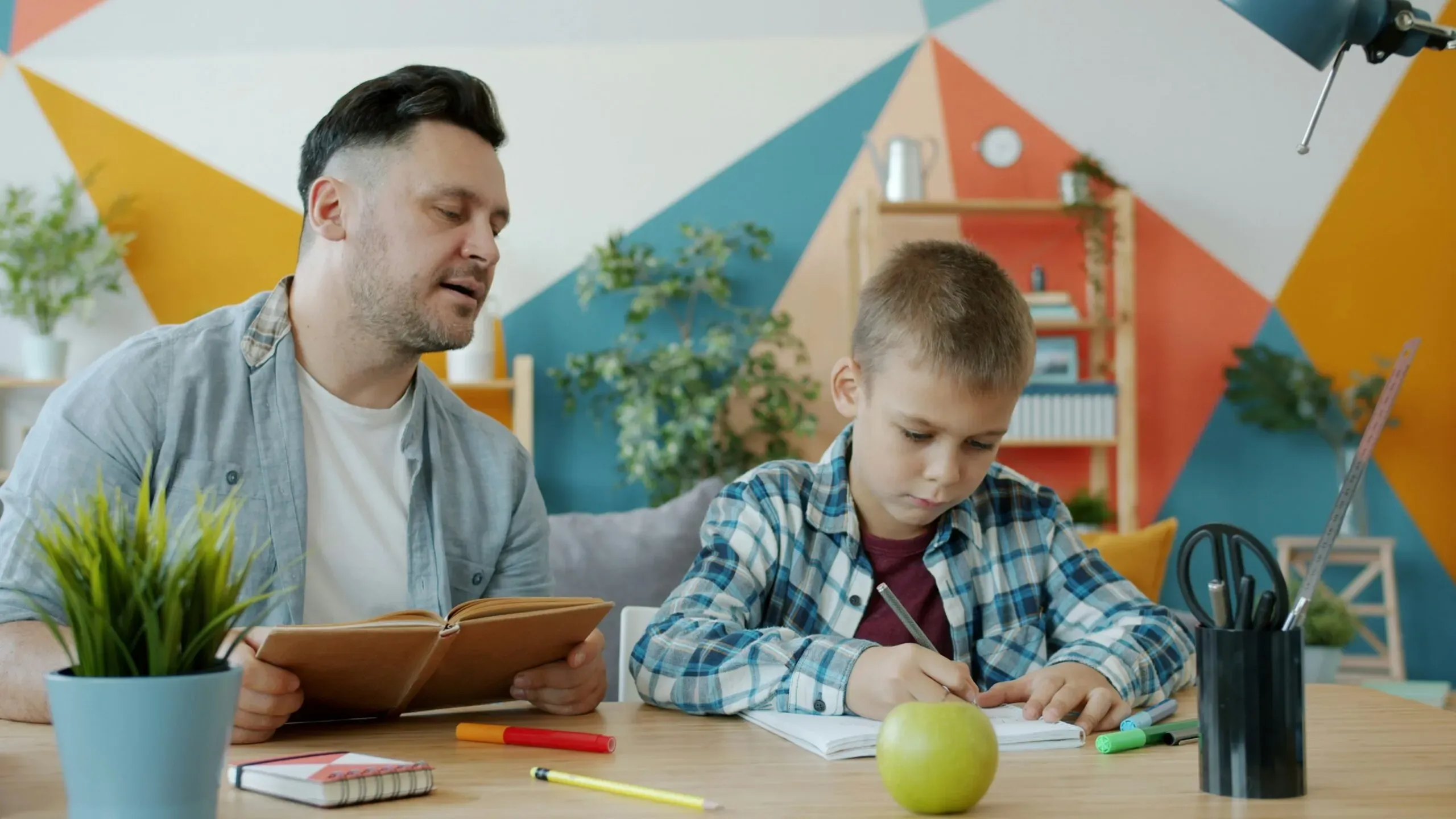
Trust serves as the cornerstone of any healthy relationship, and this is especially true in the context of parent-child dynamics. When we think about the bond we share with our children, we realize that trust is not merely a byproduct of love; it is an essential ingredient that fosters emotional security and resilience. Children who feel trusted are more likely to express themselves openly, share their thoughts and feelings, and seek guidance when faced with challenges.
This openness creates a safe space for them to explore their identities and navigate the complexities of growing up. Moreover, trust in parent-child relationships cultivates a sense of belonging and acceptance. When we establish a trusting environment, we empower our children to take risks, make mistakes, and learn from them without the fear of harsh judgment or rejection.
This nurturing atmosphere encourages them to develop their own values and beliefs, ultimately shaping them into confident individuals. As we reflect on our parenting journey, it becomes clear that fostering trust is not just beneficial for our children; it enriches our own experiences as parents, allowing us to connect with them on a deeper level.
Key Takeaways
- Trust is fundamental for strong parent-child relationships and emotional security.
- Validation acknowledges children's feelings, fostering understanding and connection.
- Consistent validation helps build lasting trust and open communication.
- Practical strategies include active listening, empathy, and affirming emotions.
- Overcoming challenges with patience and support enhances effective validation practices.
Understanding the Power of Validation in Parenting
Validation is a powerful tool in parenting that involves acknowledging and affirming a child's feelings, thoughts, and experiences. It goes beyond simply listening; it requires us to genuinely understand and appreciate what our children are going through. When we validate our children's emotions, we send a clear message that their feelings are important and worthy of attention.
This practice not only helps children feel seen and heard but also reinforces their self-worth and emotional intelligence. In our fast-paced world, where distractions abound, it can be easy to overlook the importance of validation. However, taking the time to validate our children's experiences can have profound effects on their emotional development.
By recognizing their feelings, we help them learn how to articulate their emotions and navigate complex social situations. This skill is invaluable as they grow older and face various challenges in life. Ultimately, validation serves as a bridge that connects us to our children, fostering empathy and understanding in our relationships.
How Validation Builds Trust and Connection

Validation plays a crucial role in building trust and connection between parents and children. When we validate our children's feelings, we demonstrate that we are attuned to their emotional states and that we care about their experiences. This attentiveness fosters a sense of safety, allowing our children to open up to us without fear of dismissal or misunderstanding.
As they feel more secure in expressing themselves, trust naturally flourishes within the relationship. Furthermore, validation encourages deeper connections by promoting open communication. When we actively listen and validate our children's emotions, they are more likely to reciprocate by sharing their thoughts and concerns with us.
This two-way street of communication strengthens our bond and creates an environment where both parties feel valued. As we engage in this process of validation, we not only enhance our children's emotional well-being but also enrich our own understanding of their unique perspectives.
Practical Tips for Implementing Validation in Parenting
Implementing validation in our parenting practices requires intentionality and mindfulness. One effective approach is to practice active listening. This means giving our full attention to our children when they express themselves, maintaining eye contact, and using verbal affirmations such as "I see" or "I understand." By doing so, we signal that we are genuinely interested in what they have to say, which lays the groundwork for validation.
Another practical tip is to reflect back what our children are expressing. For instance, if a child shares that they are feeling sad about a friend moving away, we might respond with, "It sounds like you're really going to miss your friend. That must be tough." This technique not only validates their feelings but also encourages them to elaborate on their emotions further.
Additionally, we can create opportunities for open dialogue by regularly checking in with our children about their day or any challenges they may be facing. By fostering an environment where they feel comfortable sharing their thoughts, we reinforce the practice of validation.
Overcoming Challenges in Using Validation as a Parenting Practice
While the practice of validation is immensely beneficial, it is not without its challenges. One common hurdle we may encounter is our own emotional responses to our children's feelings. It can be difficult to remain calm and supportive when faced with intense emotions or situations that evoke strong reactions in us.
In these moments, it is essential for us to take a step back and remind ourselves that our role is to support rather than fix or dismiss their feelings. Another challenge lies in the misconception that validation equates to agreement or approval of a child's behavior. We may worry that by validating their feelings, we are condoning negative actions or attitudes.
However, it is crucial to understand that validation does not mean we have to agree with everything our children say or do; rather, it acknowledges their right to feel a certain way while still guiding them toward appropriate behavior. By separating validation from judgment, we can navigate these challenges more effectively.
The Long-Term Benefits of Using Validation in Parenting

The long-term benefits of incorporating validation into our parenting practices are profound and far-reaching. Children who experience consistent validation are more likely to develop strong emotional regulation skills, which can lead to healthier relationships throughout their lives. They learn how to express their feelings constructively and seek support when needed, ultimately fostering resilience in the face of adversity.
Moreover, validation nurtures self-esteem and self-acceptance in children. When they feel validated by us as parents, they internalize the belief that their emotions matter and that they are worthy of love and respect. This foundation of self-worth can significantly impact their future interactions with peers, teachers, and romantic partners.
As they grow into adulthood, these validated individuals are often better equipped to handle life's challenges with confidence and empathy.
Examples of Validation in Action: Real-Life Parenting Scenarios
To illustrate the power of validation in action, let us consider a few real-life scenarios that many parents may encounter. Imagine a child coming home from school feeling upset because they were excluded from a group activity. Instead of dismissing their feelings with phrases like "It's not a big deal," we could validate their experience by saying something like, "I can see that you're really hurt by what happened at school today.
It's okay to feel sad about being left out." This response not only acknowledges their emotions but also opens the door for further conversation about how they might cope with such situations. In another scenario, suppose a teenager expresses frustration over academic pressures. Rather than minimizing their stress by saying "You just need to try harder," we could validate their feelings by saying, "It sounds like you're feeling overwhelmed with everything going on right now.
That’s completely understandable." By doing so, we create an opportunity for them to share more about their struggles while reinforcing the idea that it's normal to feel stressed at times.
Seeking Support and Resources for Implementing Validation in Parenting
As we embark on the journey of implementing validation in our parenting practices, it can be helpful to seek support and resources that align with our goals. Parenting workshops or classes focused on emotional intelligence can provide valuable insights into effective communication strategies and techniques for validating children's feelings. Additionally, reading books on parenting styles that emphasize empathy and connection can deepen our understanding of how validation plays a role in fostering healthy relationships.
Online communities and forums can also serve as excellent platforms for sharing experiences and seeking advice from other parents who prioritize validation in their parenting approach. Engaging with like-minded individuals allows us to exchange ideas and learn from one another's successes and challenges. Ultimately, by actively seeking support and resources, we can enhance our ability to validate our children's emotions effectively while nurturing strong bonds built on trust and understanding.
In conclusion, the practice of validation is an essential component of effective parenting that fosters trust, connection, and emotional well-being in children. By understanding its importance and implementing practical strategies for validation, we can create an environment where our children feel seen, heard, and valued. As we navigate the complexities of parenthood together, let us embrace the power of validation as a means to strengthen our relationships with our children for years to come.
In exploring effective parenting techniques, you might find interest in the article titled "The Powerful Parenting Practice That Strengthens Trust Instantly." This article delves into strategies that foster a deeper connection between parents and children. For those looking to enhance their family bonding experiences, you may also want to check out a related article on self-care, which discusses the benefits of taking time for oneself to improve overall family dynamics. You can read more about it in this self-care article.
FAQs
What is the powerful parenting practice that strengthens trust instantly?
The powerful parenting practice that strengthens trust instantly is consistent, open, and empathetic communication combined with active listening and validation of the child's feelings.
Why is trust important in the parent-child relationship?
Trust is essential in the parent-child relationship because it fosters a secure emotional bond, encourages open communication, and helps children feel safe and supported, which is crucial for their overall development.
How can parents build trust with their children?
Parents can build trust by being reliable, honest, and attentive, following through on promises, showing empathy, respecting their child's feelings, and creating a safe environment for open dialogue.
Can trust be rebuilt if it has been broken?
Yes, trust can be rebuilt over time through consistent, trustworthy behavior, sincere apologies when mistakes are made, and ongoing efforts to communicate openly and respectfully.
At what age should parents start practicing trust-building techniques?
Trust-building should begin from infancy, as early interactions set the foundation for secure attachment, but it remains important throughout childhood and adolescence as the child grows and develops.
How does active listening contribute to strengthening trust?
Active listening shows children that their thoughts and feelings are valued and understood, which validates their experiences and encourages them to share more openly, thereby strengthening trust.
What role does empathy play in parenting and trust-building?
Empathy allows parents to connect emotionally with their children, understand their perspectives, and respond sensitively, which helps children feel accepted and trusted.
Are there any common mistakes parents make that can weaken trust?
Common mistakes include breaking promises, dismissing or invalidating a child's feelings, inconsistent discipline, and lack of communication, all of which can undermine trust.
How can parents maintain trust as children become teenagers?
Maintaining trust with teenagers involves respecting their growing independence, continuing open and honest communication, setting clear boundaries, and being supportive without being overly controlling.
Is trust-building a one-time effort or an ongoing process?
Trust-building is an ongoing process that requires continuous effort, patience, and adaptability as children grow and family dynamics change.