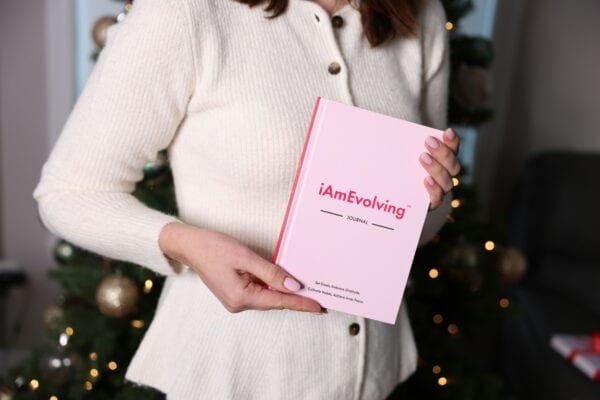

Okay, so we’ve all been there, right? That feeling when your brain feels like a tangled-up ball of yarn, and you just don’t know which end to pull. We talk about being healthy, like eating our veggies and getting enough sleep. That’s super important. But there’s this whole other part of being healthy, this “mental wellness” thing, that nobody really sat us down and explained properly. It’s like they gave us the instruction manual for riding a bike but forgot to tell us about the wobbly wheels and the time we’d definitely fall.
We figured it out, though. We’ve been figuring out a lot of stuff, and we realized that this mental wellness journey isn’t some secret magic potion. It’s more like building a really awesome treehouse. It takes time, it takes some clumsy moments, and sometimes you need a friend to hand you the hammer. So, let’s dive into what we’ve learned.
Okay, imagine your brain is like a smartphone, but way, way cooler. It’s got all these apps running at the same time, and sometimes one app is being super noisy and messing with the others. That’s kind of what happens when we’re not feeling so great inside.
The “Apps” We All Have
- The Worry App: This one’s a real busybody. It’s always thinking about “what ifs” and worst-case scenarios. It can be helpful sometimes, like if you’re walking near a busy street, it tells you to be careful. But it can also be so loud that it makes us forget to enjoy the sunshine.
- The Sadness App: This app isn’t always about being super gloomy. Sometimes it’s just a quiet hum, a feeling of ‘meh.’ It’s okay to feel sad. It’s actually a signal that something might need our attention.
- The Anger App: This one can feel like a firecracker. It pops up when something isn’t fair or when we feel bumped around. It’s a powerful energy, and learning to use it for good, instead of letting it burn us, is a big deal.
- The Joy App: This is our favorite, right? It’s the feeling of laughing until your tummy hurts, of seeing something beautiful, of connecting with people. We need to make sure this app gets enough battery life.
- The “I Can’t Do It” App: This is the doubt monster. It whispers in our ear, telling us we’re not good enough, that we’ll fail. It’s a sneaky app that tries to shut down all the other fun ones.
Why These Apps Sometimes Go Haywire
Life throws us curveballs, doesn’t it? Sometimes it feels like a whole game of dodgeball aimed right at our heads. Things like:
- Big Changes: Moving to a new school, losing a pet, or even parents getting divorced can feel like the whole operating system is crashing.
- Things We Can’t Control: Maybe someone is mean to us, or we didn’t get picked for the team. These things are frustrating and can leave us feeling jumbled.
- Just… Being Human: Our brains are still growing and learning. Sometimes they get confused or overwhelmed, just like we do when we’re trying to learn a new math concept.
How We Can Help Our Brain-Computer Runs Smoother
It’s not about deleting these apps – they’re all part of us. It’s more about learning to manage them. Think of it like this: you want to be able to close the Worry App when it’s being too loud, or open the Joy App on demand.
Talking About Our Feelings Isn’t Weak, It’s Super Smart
For so long, it felt like we were supposed to just bottle up whatever was going on inside. Like if we had a scraped knee, we’d slap a Band-Aid on it and pretend it didn’t sting. But inside, our feelings are like scrapes that can get infected if we don't let a little air in.
The Myth of the “Tough Guy/Gal”
We’ve heard it before, haven’t we? “Don’t cry,” “Be strong,” “Boys don’t cry.” This is the idea that showing any kind of vulnerability makes you weak. But that’s just not true. Think about it, if you’re building something, and you come across a loose screw, you don’t ignore it, right? You fix it. Talking about our feelings is like fixing those loose screws in our emotional world.
Who Can We Talk To?
We don’t have to spill our guts to everyone. But finding a few trusted people is like having a secret support squad.
- Our Family: Parents, siblings, aunts, uncles – if they’re people we feel safe with, they can be amazing listeners.
- Our Friends: Sharing with a friend who gets it is like finding a treasure chest.
- Trusted Adults: Teachers, coaches, counselors, youth group leaders – these are people who have seen a lot and can offer good advice.
What Happens When We DO Talk?
It's like a weight lifted. Seriously. When we say things out loud, they often sound less scary. It’s like seeing a monster in the dark – once you turn on the light, it’s just a pile of clothes.
- It Helps Us Understand: Sometimes just saying something like, “I’m feeling really overwhelmed because of school and the tryouts,” helps us see what’s really bothering us.
- It Makes Us Feel Less Alone: When we share, we realize other people feel these things too. It’s like a secret handshake for everyone who’s ever felt a bit lost.
- It Gets Us Ideas for Solutions: When we talk to someone, they might have ideas we’ve never thought of. They can be our sidekicks in figuring things out.
Our Body Needs Love Too, and That Affects Our Brain
We’re not just brains floating around. We’re humans, and our bodies and minds are super connected, like best friends who always do things together. If one is feeling grumpy, the other usually is too.
The Food-Brain Connection
You know how when you eat too much sugar, you get that super excited rush, and then a massive crash? That’s our brain telling us, “Hey, what was that?!” What we eat really matters.
- Fueling Up: We need good fuel for our brain to work its best. Think fruits, veggies, whole grains. This is like giving our brain the best quality gas.
- The Sugar Trap: Too much candy and junk food can get our energy levels all over the place, making us feel grumpy, tired, and even more stressed.
- Hydration Station: Drinking enough water is huge! Being dehydrated can make us feel foggy and tired. It’s like our brain is trying to work with a dry sponge.
Sleep: The Brain’s Recharge Time
This is so important, and sometimes we treat it like it’s optional. But sleep is when our brain cleans itself up, sorts out memories, and gets ready for a new day.
- The Power of a Good Night’s Sleep: When we get enough sleep (and for us, that’s like, a lot of hours!), we’re usually in a better mood, more focused, and less likely to freak out about small things.
- The Dreaded All-Nighter: Pulling an all-nighter for homework or games is like telling your brain computer to run without any breaks. It’s going to glitch.
- Bedtime Routine: Having a regular time to go to bed and wake up, like a predictable alarm clock for our brain, can make a big difference.
Moving Our Bodies, Moving Our Minds
Exercise isn’t just about getting strong muscles. It’s like a magic potion for our brain.
- The Endorphin Rush: When we move, our brain releases these feel-good chemicals called endorphins. They’re like natural mood boosters.
- Stress Buster: Running, jumping, dancing – anything that gets us moving can help us shake off stress and worries. It's like our body is saying, "Let's burn off this nervous energy!"
- Focus Power-Up: Even a short walk can help us concentrate better. It’s like giving our brain a quick tune-up.
Finding Our “Happy Place” Activities
We all have things that make our hearts sing. These aren’t just for fun; they’re essential for keeping our mental wellness in good shape. It’s like having a personal toolbox filled with things that make us feel good.
What Are Our “Happy Place” Activities?
This is super personal. What makes one person feel happy might be boring to another. But some ideas include:
- Creative Stuff: Drawing, painting, writing stories, playing music, building with LEGOs – anything that lets us express ourselves.
- Being Outside: Hiking, playing in the park, gardening, or just sitting under a tree. Nature has a way of calming us down.
- Connecting with Animals: Petting a dog, playing with a cat, or even watching birds outside. Their presence can be incredibly soothing.
- Reading and Imagination: Getting lost in a good book can transport us to different worlds and give our minds a break.
- Helping Others: Volunteering, doing a chore for someone, or simply being kind. It feels good to make a positive impact.
Why These Activities Matter So Much
These aren’t just distractions. They’re like filling up our emotional gas tank.
- Stress Relief: When we’re doing something we love, our worries tend to fade into the background.
- Sense of Accomplishment: Finishing a drawing, learning a new song, or completing a small project gives us a boost of confidence.
- Mindfulness Moments: Many of these activities require us to be present, to focus on what we’re doing right now. This is called mindfulness, and it's a super powerful tool for quieting the noisy brain.
Making Time for Our Happy Places
This is the tricky part. Life gets busy. But we have to make it a priority.
- Schedule It In: Just like we schedule homework or sports, we can schedule time for our "happy place" activities. It doesn't have to be hours; even 15-30 minutes can make a difference.
- Small Steps: If we’re feeling really down, even a tiny step, like listening to one favorite song or sketching for five minutes, can help.
- Don’t Judge: Don’t worry about being good at these things. The goal is to enjoy them and let them help us feel better.
Setting Boundaries: Protecting Our Energy
This might sound a little grown-up, but setting boundaries is like building a fence around our own personal space. It’s about deciding what we’re okay with and what we’re not, and letting people know.
What Are Boundaries, Anyway?
Think about it like this: if someone is coming over to our house, we expect them to knock on the door, right? We don’t want them just barging in. Boundaries are like that for our feelings and our time.
- Saying “No”: This is a huge one. It’s okay to say “no” to things we don’t have the energy for, or things that don’t feel right. It doesn’t make us mean; it makes us smart about our energy.
- Limiting Time with Certain People: Some people might drain our energy or make us feel bad. It’s okay to spend less time with them.
- Protecting Our Space: This could mean not letting people read our private journal or making sure we have some quiet time to ourselves.
Why Boundaries Are Actually Kind
It might feel selfish to set boundaries, but it’s actually a way to be kinder to ourselves and to others in the long run.
- Preventing Burnout: If we’re constantly saying “yes” and doing things we don’t have the energy for, we’ll eventually get completely exhausted.
- Feeling More in Control: When we set boundaries, we feel like we have more control over our own lives and how we feel.
- Healthier Relationships: When we’re clear about our boundaries, it helps others understand how to treat us. This leads to more respectful and less hurtful relationships.
How to Set Boundaries (Without Being a Jerk)
This takes practice! It’s not about being aggressive; it’s about being clear and kind.
- Be Clear and Direct: Instead of hinting, say what you mean. “I can’t help with that right now because I’m feeling really tired,” is better than sighing and looking annoyed.
- Use “I” Statements: Focus on how you feel. “I feel overwhelmed when I’m asked to do too many things at once” is better than “You’re asking me too much!”
- It’s Okay to Be Firm: Sometimes people won’t respect your boundaries at first. You might have to repeat yourself, kindly but firmly.
- Start Small: Practice setting small boundaries with people you trust. It gets easier with practice.
The Journey is Ongoing, and That’s Totally Fine!
We’ve learned that mental wellness isn’t a destination; it’s more like a road trip. There will be smooth highways, but also some bumpy dirt roads and maybe even a detour or two. And that’s okay.
There’s No Such Thing as “Perfect” Mental Health
We’ve seen people talking about being perfectly happy all the time, and that’s just not realistic. Life is a mix of ups and downs. The goal isn’t to never feel sad or anxious, but to learn how to navigate those feelings.
We’re All Learning Together
Nobody has all the answers. We’re all figuring this out as we go. What works for one person might not work for another, and that’s why it’s important to share and learn from each other.
The Importance of Self-Compassion
When we make mistakes, or when we’re having a tough day, it’s easy to be hard on ourselves. But we need to talk to ourselves like we would talk to a good friend who’s going through a hard time. Be kind. Be understanding.
Final Thoughts: You Got This!
So, we’ve talked about our brain-computers, the power of talking, taking care of our bodies, finding our happy places, and setting boundaries. This is a lot, we know! But the truth is, we’re all equipped with everything we need to start this journey. We’ve got this amazing capacity to learn, to grow, and to feel. It’s not about being perfect; it’s about being brave enough to show up for ourselves, to reach out when we need help, and to celebrate the small victories along the way. And remember, you’re not alone in this. We’re all in this wild, wonderful, sometimes confusing adventure together, figuring it out one step at a time.
FAQs
What is mental wellness?
Mental wellness refers to the state of one's emotional, psychological, and social well-being. It involves how individuals think, feel, and act, and how they handle stress, relate to others, and make choices.
What are some factors that contribute to mental wellness?
Factors that contribute to mental wellness include genetics, brain chemistry, life experiences, and family history of mental health problems. Additionally, stress, trauma, and biological factors can also play a role in mental wellness.
How can one improve their mental wellness?
Improving mental wellness can be achieved through various methods such as seeking professional help, engaging in regular physical activity, maintaining a healthy diet, getting enough sleep, practicing relaxation techniques, and building strong social connections.
What are some common misconceptions about mental wellness?
Common misconceptions about mental wellness include the belief that mental health problems are rare, that individuals can just "snap out of it," and that seeking help is a sign of weakness. It's important to understand that mental wellness is just as important as physical wellness.
Why is it important to prioritize mental wellness?
Prioritizing mental wellness is important because it can have a significant impact on an individual's overall health and well-being. Neglecting mental wellness can lead to the development of mental health disorders and can also affect one's ability to function in daily life.