
You're probably wondering how to navigate the sometimes overwhelming landscape of mental wellness. It's not about grand gestures or drastic life overhauls. More often, it’s the subtle, consistent choices you make each day that truly build a robust and resilient mind. Think of your mental wellness as a garden; daily habits are the seeds you sow, the water you provide, and the sunlight you ensure. With consistent care, that garden can flourish. This article is your guide to planting those seeds, nurturing them, and ultimately, cultivating a vibrant inner world.
You have a unique internal world, a universe teeming with thoughts, emotions, and sensations. Learning to tune into this inner landscape is perhaps the most fundamental habit you can cultivate for mental wellness. It’s about understanding yourself, not judging yourself. This self-awareness is the bedrock upon which all other positive habits are built. Without it, you're essentially trying to steer a ship without knowing its course or its condition.
Cultivating Mindfulness: Being Present in Your Own Life
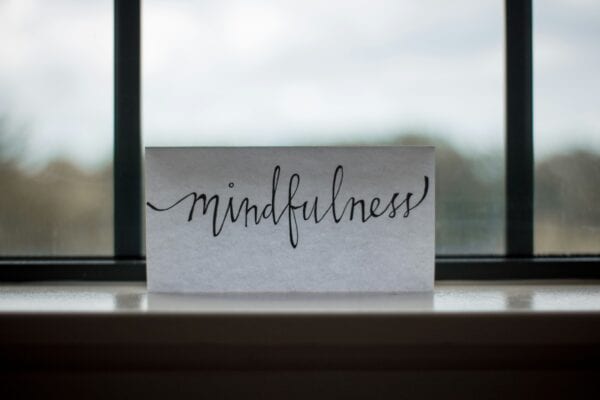
Are you truly experiencing your life, or are you just letting it rush by? Mindfulness is the practice of paying attention to the present moment without judgment. It’s about bringing your awareness to what you’re doing, feeling, and experiencing, right here, right now.
The Power of Deep Breathing: Your Instant Anchor
You might underestimate the profound impact of simply focusing on your breath. Deep breathing exercises are accessible anytime, anywhere, and they can instantly calm your nervous system. When you feel overwhelmed, anxious, or stressed, consciously slowing down your breath can signal to your body that it's safe to relax.
- How to Practice: Find a quiet spot, sit or lie comfortably, and close your eyes if that feels good. Inhale slowly and deeply through your nose, feeling your belly rise. Exhale slowly through your mouth, releasing all the air. Aim for a count of four on the inhale and a count of six on the exhale. Do this for a few minutes, observing the sensation of your breath entering and leaving your body. You don't need to change your breath, just observe it.
Engaging Your Senses: Experiencing the Now
Your senses are your direct connection to the present moment. When your mind is racing, bringing your attention to what you can see, hear, smell, taste, and touch can pull you back to reality.
- Sensory Awareness Exercise: Take a moment to consciously notice five things you can see, four things you can touch, three things you can hear, two things you can smell, and one thing you can taste. This simple exercise grounds you and interrupts spirals of anxious thought.
Mindful Movement: Connecting Body and Mind
Physical activity doesn't have to be a strenuous workout to be mindful. Practices like yoga, tai chi, or even a gentle walk can enhance your connection to your physical self and, by extension, your mental state.
- Mindful Walking: As you walk, pay attention to the sensation of your feet hitting the ground, the swing of your arms, and the rhythm of your breath. Notice the sights and sounds around you without getting lost in rumination.
Journaling: Your Personal Dialogue with Yourself
Your thoughts and feelings can often feel jumbled and overwhelming. Putting them down on paper can bring clarity and a sense of catharsis. Journaling is not about crafting perfect prose; it's about honest expression.
- Gratitude Journaling: Dedicate a few minutes each day to writing down three to five things you are grateful for. This simple practice shifts your focus towards the positive aspects of your life, fostering a more optimistic outlook.
- Free-Writing: When you're unsure where to start, simply write down whatever comes to mind without censoring yourself. This can unearth hidden worries, aspirations, or simply help you process your day.
- Reflective Journaling: At the end of the day, jot down what you learned, what challenged you, and what brought you joy. This helps you identify patterns in your thoughts and behaviors, leading to greater self-understanding.
Self-Compassion: Treating Yourself with Kindness
You are your own longest relationship. How you speak to yourself matters immensely. Self-compassion involves extending the same kindness, understanding, and acceptance to yourself that you would offer a dear friend.
- Recognize Your Common Humanity: When you're struggling, remember that you are not alone. Everyone experiences pain, failure, and inadequacy at some point. This shared experience can reduce feelings of isolation.
- Be Kind to Yourself: Instead of harsh self-criticism, offer yourself words of comfort and support. Imagine what you would say to a friend going through a similar situation.
- Mindful Acceptance: Observe your difficult emotions without judgment. Acknowledge that they are present, but try not to let them define you.
In exploring the various daily habits that can enhance mental wellness, one might find it beneficial to consider the impact of natural products on overall well-being. For instance, an article discussing the uses and benefits of rose water can provide insights into how such natural remedies can contribute to a calming and soothing daily routine. You can read more about this in the article available at Madame Dry Rose Water, which highlights the potential mental health benefits of incorporating rose water into your self-care practices.
Nourishing Your Body: The Foundation for a Healthy Mind
You’ve heard it a million times: "a healthy body supports a healthy mind." It's not a cliché; it's a biological imperative. Your brain, the control center of your mental well-being, is a physical organ that requires nourishment, rest, and care.
Prioritizing Sleep: Your Brain's Essential Recharge
Sleep is not a luxury; it's a non-negotiable component of mental wellness. During sleep, your brain consolidates memories, processes emotions, and clears out metabolic waste. Chronic sleep deprivation can significantly impair your mood, cognitive function, and emotional regulation.
Establishing a Consistent Sleep Schedule: The Rhythmic Advantage
Your body thrives on rhythm. Going to bed and waking up around the same time each day, even on weekends, helps regulate your body's natural sleep-wake cycle (circadian rhythm).
- Wind-Down Routine: Create a relaxing routine in the hour before bed. This might include reading a book, taking a warm bath, listening to calming music, or gentle stretching. Avoid screens and stimulating activities that can keep your mind active.
- Optimize Your Sleep Environment: Make your bedroom a sanctuary for sleep. Keep it dark, quiet, and cool. Invest in comfortable bedding and pillows.
Sleep Hygiene Practices: Small Tweaks, Big Impact
Beyond a schedule, specific practices can significantly improve sleep quality.
- Limit Caffeine and Alcohol: Avoid caffeine in the afternoon and evening, and limit alcohol consumption, as it can disrupt sleep patterns later in the night.
- Avoid Heavy Meals Before Bed: Try to finish your last meal at least two to three hours before bedtime.
- Get Natural Light Exposure: Expose yourself to natural sunlight, especially in the morning, to help regulate your circadian rhythm.
Fueling Your Brain: The Power of Nutritious Food
What you eat directly impacts your brain chemistry and overall mental health. Think of your diet as the fuel that powers your cognitive and emotional engine.
Balanced Nutrition: The Cornerstone of Brain Health
A diet rich in whole foods, fruits, vegetables, lean proteins, and healthy fats provides the essential nutrients your brain needs to function optimally.
- Omega-3 Fatty Acids: Found in fatty fish like salmon, flaxseeds, and walnuts, omega-3s are crucial for brain cell health and function.
- Vitamins and Minerals: B vitamins, vitamin D, magnesium, and zinc all play vital roles in neurotransmitter production and brain metabolism. Ensure you're getting a variety of these through your diet.
- Antioxidants: Berries, dark leafy greens, and nuts are packed with antioxidants that protect your brain cells from damage.
Hydration: Beyond Thirst Quenching
Dehydration can lead to fatigue, headaches, and decreased cognitive function, all of which negatively impact your mental state.
- Constant Intake: Make it a habit to sip water throughout the day. Keep a water bottle with you and set reminders if necessary.
- Listen to Your Body: Pay attention to your body's signals for thirst. Don't wait until you're parched to drink.
The Importance of Movement: More Than Just Physical Health
You already know exercise is good for your body, but its benefits for your mind are equally profound. Physical activity releases endorphins, which have mood-boosting and pain-relieving effects. It also improves sleep, reduces stress, and enhances cognitive function.
Finding Activities You Enjoy: Sustainability is Key
The best exercise for you is the one you'll actually do. Don't force yourself into a routine you dislike; explore different options until you find something that resonates.
- Cardiovascular Exercise: Brisk walking, running, cycling, swimming, or dancing. Aim for at least 30 minutes of moderate-intensity aerobic activity most days of the week.
- Strength Training: Lifting weights, using resistance bands, or bodyweight exercises. This builds muscle mass and has significant mental health benefits.
- Flexibility and Balance: Yoga, Pilates, and stretching help improve your mind-body connection and reduce stress.
Integrating Movement into Your Day: Small Steps, Big Gains
You don't need to hit the gym for an hour to reap the benefits.
- Take Walking Breaks: During your workday, step away from your desk for a short walk.
- Use the Stairs: Opt for the stairs instead of the elevator whenever possible.
- Active Commute: If feasible, walk or cycle to work or for errands.
Cultivating Connection: The Power of Social Bonds

Humans are inherently social creatures. Our relationships are not just a source of comfort and joy; they are vital for our mental well-being. Isolation can lead to loneliness, depression, and anxiety. Actively nurturing your social connections is a powerful habit for mental resilience.
Nurturing Existing Relationships: The Depth of Familiarity
The people you already have in your life are gold. Invest time and energy in these relationships to keep them strong and supportive.
Quality Over Quantity: Deeper Connections Matter
It's not about having hundreds of acquaintances; it's about having a few close, trusted individuals you can rely on.
- Regular Check-ins: Make an effort to call, text, or video chat with friends and family regularly. A simple "How are you doing?" can go a long way.
- Active Listening: When you're with loved ones, truly listen to what they have to say. Put away distractions and offer your full attention.
- Shared Experiences: Plan activities you can enjoy together, whether it's a meal, a movie, a hike, or just a casual catch-up. Creating new memories strengthens bonds.
Building New Connections: Expanding Your Social Circle
While existing relationships are important, continuously welcoming new people into your life can bring fresh perspectives and new sources of support.
Finding Your Tribe: Shared Interests Create Bonds
Joining groups or activities centered around your hobbies and interests is an excellent way to meet like-minded individuals.
- Join a Club or Group: Whether it's a book club, a hiking group, a photography class, or a volunteer organization, shared passions are a natural starting point for connection.
- Take a Class: Learning something new alongside others can foster camaraderie and provide regular opportunities for interaction.
- Attend Local Events: Keep an eye out for community events, workshops, or festivals that pique your interest.
Being Open and Approachable: Inviting Connection
Sometimes, the simplest step is to just be open to conversation and interaction.
- Smile and Make Eye Contact: These small gestures can signal your openness to connection.
- Initiate Conversations: Don't wait for others to approach you. Start a conversation with a simple observation or question.
- Be Patient: Building new friendships takes time. Don't get discouraged if every interaction doesn't lead to an immediate best friend.
Setting Healthy Boundaries: Protecting Your Energy
Connection is vital, but so is protecting your own energy and mental space. Setting healthy boundaries ensures your relationships are mutually respectful and sustainable.
Identifying Your Needs: What's Non-Negotiable?
Reflect on what you need to feel safe, respected, and energized in your relationships.
- Learn to Say No: It's okay to decline invitations or requests if they don't align with your capacity or priorities. You don't need to over-explain yourself.
- Communicate Your Limits: Clearly and respectfully articulate your boundaries to others. For example, "I can't talk on the phone after 9 pm" or "I need some alone time to recharge."
- Protect Your Time and Energy: Be mindful of how you're spending your time and with whom. Prioritize relationships that uplift and support you, rather than drain you.
Engaging Your Mind: Stimulation and Growth

Your mind is like a muscle; it needs to be challenged and exercised to stay sharp and engaged. Beyond simply staying busy, actively seeking intellectual stimulation and opportunities for growth can significantly boost your mental wellness.
Lifelong Learning: The Joy of Discovery
The pursuit of knowledge is an inherently rewarding activity that can keep your mind active and your perspective fresh.
Reading Widely: Expanding Your Horizons
Reading is one of the most accessible and powerful ways to engage your mind. It exposes you to new ideas, cultures, and ways of thinking.
- Diverse Genres: Don't limit yourself to one type of book. Explore fiction, non-fiction, biographies, history, science, and poetry.
- Active Reading: Engage with what you read. Make notes, underline passages that resonate with you, and pause to think about the ideas presented.
- Audiobooks and Podcasts: If dedicated reading time is challenging, audiobooks and podcasts can be excellent alternatives for learning on the go.
Acquiring New Skills: The Thrill of Mastery
Learning a new skill, whether it's a language, a musical instrument, or a craft, provides a sense of accomplishment and keeps your brain agile.
- Online Courses and Tutorials: The internet offers a vast array of resources for learning almost anything.
- Workshops and Classes: Community centers and local organizations often offer affordable classes in various subjects.
- Practice and Patience: Remember that mastery takes time and consistent effort. Celebrate small wins along the way.
Problem-Solving and Critical Thinking: Sharpening Your Cognitive Edge
Actively engaging in problem-solving and critical thinking exercises your brain, improving your ability to navigate challenges in life.
Puzzles and Brain Games: Playful Mental Workouts
Puzzles like crosswords, Sudoku, jigsaw puzzles, and logic games are not just entertainment; they're excellent for improving memory, concentration, and reasoning skills.
- Daily Challenges: Incorporate a short puzzle session into your daily routine.
- Variety is Key: Engage in different types of puzzles to work various cognitive functions.
Reflective Practices: Deepening Understanding
Taking time to reflect on your experiences and analyze problems can lead to deeper insights and more effective solutions.
- Analyze Your Own Decisions: Before making important choices, consider the potential outcomes, pros, and cons.
- Seek Different Perspectives: Discuss challenges with trusted friends, mentors, or colleagues to gain a broader understanding.
- Learn from Mistakes: View setbacks not as failures, but as opportunities for learning and growth. What could you have done differently?
In exploring ways to enhance mental wellness, it's beneficial to consider the impact of daily habits on our overall well-being. Engaging in activities such as regular exercise, mindfulness practices, and maintaining a balanced diet can significantly improve mental health. For further insights on how to cultivate positive habits that support mental wellness, you might find this article on personal account management helpful. It discusses various strategies that can contribute to a healthier mindset. You can read more about it here.
Practicing Mindful Gratitude: Shifting Your Focus
| Daily Habits | Impact on Mental Wellness |
|---|---|
| Regular Exercise | Reduces stress, anxiety, and depression |
| Healthy Eating | Improves mood and energy levels |
| Quality Sleep | Enhances cognitive function and emotional well-being |
| Mindfulness and Meditation | Reduces negative thinking and promotes relaxation |
| Socializing | Boosts mood and reduces feelings of loneliness |
Gratitude is more than just saying "thank you." It's a conscious practice of recognizing and appreciating the good things in your life, no matter how small. This simple habit can profoundly shift your perspective and enhance your overall sense of well-being.
The Psychological Benefits of Gratitude: A Positive Ripple Effect
Research consistently shows that people who regularly practice gratitude report higher levels of happiness, optimism, and life satisfaction. It acts as a powerful antidote to negative emotions like envy, resentment, and regret.
Reduced Stress and Anxiety: Focusing on the Abundant
When you focus on what you have, rather than what you lack, your stress levels naturally decrease. Gratitude shifts your attention away from perceived deficits and towards the abundance in your life.
- Daily Appreciation: Even on difficult days, take a moment to find at least one thing to be grateful for. It could be a warm cup of coffee, a sunny sky, or a comforting conversation.
- Meaningful Expression: When you receive something positive, express your gratitude sincerely. This not only makes the other person feel good but also reinforces your own feeling of appreciation.
Improved Relationships: The Power of Acknowledgment
Expressing gratitude to others strengthens your bonds and fosters a more positive social environment. When people feel appreciated, they are more likely to reciprocate that appreciation.
- Thank You Notes: A handwritten thank-you note can be incredibly impactful in today's fast-paced world.
- Verbal Appreciation: Don't hesitate to verbally acknowledge the efforts and kindness of those around you. A simple "I really appreciate your help with this" can make a difference.
Integrating Gratitude into Your Daily Life: Small Habits, Big Impact
Making gratitude a consistent habit doesn't require grand gestures or significant time commitments. It's about weaving it into the fabric of your day.
Gratitude Moments: Spontaneous Appreciation
Look for opportunities to pause and appreciate the small moments throughout your day.
- Savoring Experiences: When something enjoyable happens, take a few extra seconds to savor it. Notice the details, the feelings, and the sensations.
- Appreciating the Mundane: Even everyday things like a comfortable home, working technology, or access to clean water can be sources of gratitude if you choose to recognize them.
Reflective Gratitude Practices: Dedicated Time
While spontaneous moments are wonderful, setting aside dedicated time for gratitude can deepen its impact.
- Gratitude Jar: Keep a jar and small slips of paper. Whenever something good happens, write it down and put it in the jar. Periodically review the slips.
- Mindful Mornings/Evenings: Start or end your day by reflecting on what you are grateful for. You can do this silently, by writing in a journal, or by discussing it with a loved one.
- Gratitude Walks: During a walk, consciously focus on all the things you are grateful for in your surroundings – the trees, the architecture, the people you encounter.
By consistently practicing these daily habits, you are actively investing in your mental wellness. They are not quick fixes but rather sustainable strategies that build resilience, foster joy, and empower you to navigate life's challenges with greater peace and strength. Remember, you are the architect of your own mental well-being, and each small, consistent habit is a brick laid in the foundation of a healthier, happier you.
FAQs
What are some daily habits that can improve mental wellness?
Some daily habits that can improve mental wellness include regular exercise, practicing mindfulness and meditation, getting enough sleep, maintaining a healthy diet, and staying connected with friends and family.
How does regular exercise improve mental wellness?
Regular exercise can improve mental wellness by reducing stress, anxiety, and depression. It also helps to boost self-esteem, improve sleep, and increase overall feelings of well-being.
What is the importance of practicing mindfulness and meditation for mental wellness?
Practicing mindfulness and meditation can help reduce stress, improve focus and concentration, enhance self-awareness, and promote emotional regulation, all of which contribute to better mental wellness.
How does getting enough sleep contribute to mental wellness?
Getting enough sleep is crucial for mental wellness as it allows the brain to rest and recharge, improves mood, enhances cognitive function, and helps regulate emotions.
Why is maintaining a healthy diet important for mental wellness?
Maintaining a healthy diet is important for mental wellness because certain nutrients, such as omega-3 fatty acids, B vitamins, and antioxidants, have been linked to improved mood and overall mental well-being. Additionally, a balanced diet can help regulate energy levels and support overall physical health, which in turn can positively impact mental wellness.