
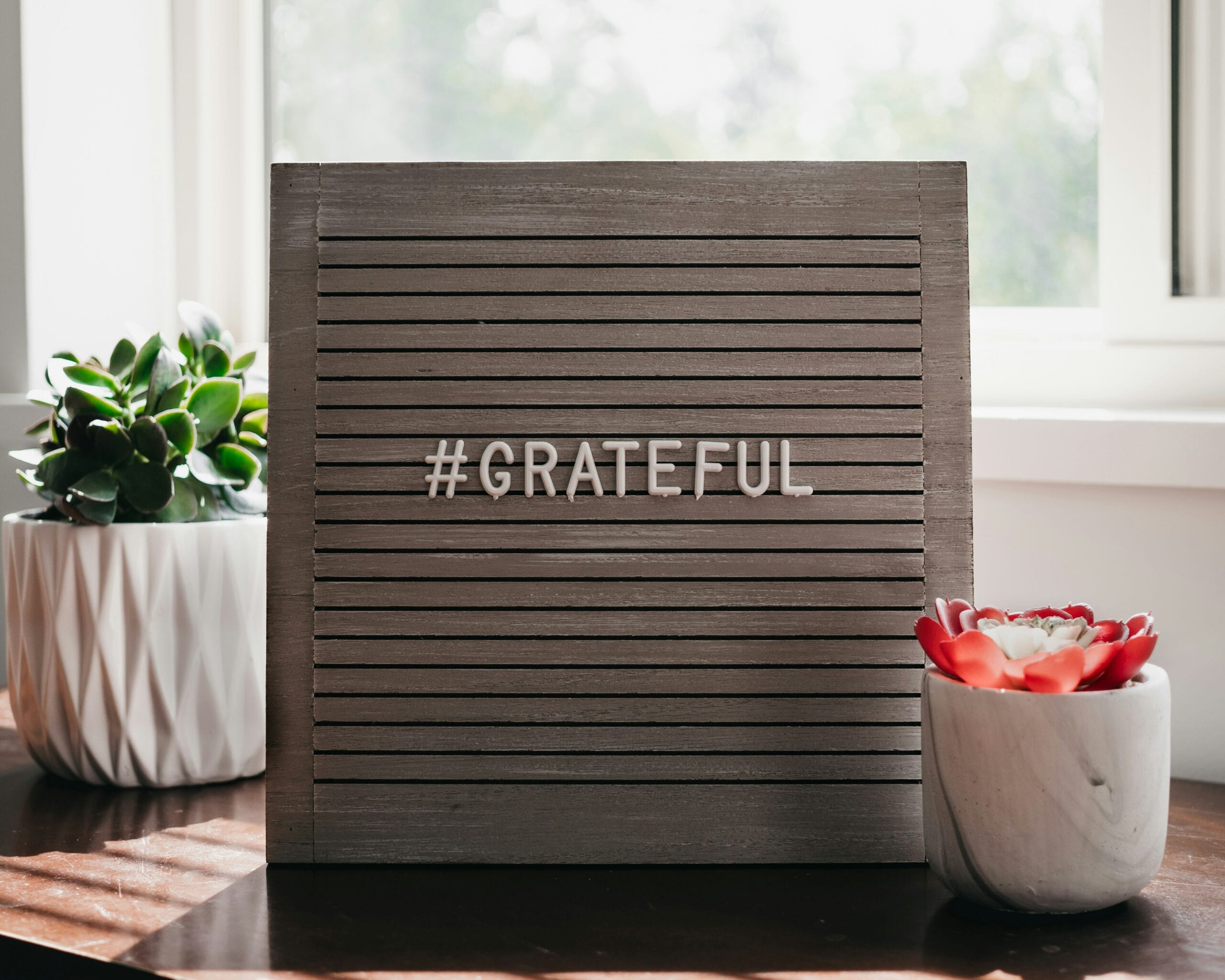
Hey there, wonderful you! Have you ever paused to think about what it truly means to live with a grateful heart? It’s more than just saying "thank you" – it's a whole way of seeing the world, a lens through which you can find joy and meaning even in the everyday. Imagine waking up each day with a quiet sense of appreciation, a feeling that good things are happening all around you, even if they're small. That's a grateful mindset in action, and it’s a powerful thing.
It's easy to get caught up in the hustle and bustle, the "to-do" lists, and the occasional bumps in the road, isn't it? We all do it. But what if there was a way to navigate life's challenges with a little more grace, a little more joy, and a lot more inner peace? That's exactly what cultivating a grateful mindset can do for you. It's not about ignoring difficulties, not at all, but rather about strengthening your ability to see the good, to acknowledge it, and to let it uplift you.
Noticing the Little Sparks of Joy
Let’s be honest, life can throw some curveballs. But even in the midst of tricky situations, there are always little sparks of joy, tiny moments of goodness that often go unnoticed. A grateful mindset is all about tuning into those sparks. It’s like having a superpower that allows you to spot the beauty in the ordinary, the kindness in a fleeting interaction, or the comfort in a familiar routine.
Imagine sipping your morning coffee. Do you gulp it down, thinking about your next task? Or do you take a moment to truly savor the warmth, the aroma, and the quiet start to your day? That subtle shift in attention is where gratitude begins. It's about paying attention to the positive moments, the people who lift you up, and the opportunities that come your way, no matter how small they seem.
One friend of mine, Sarah, used to be a chronic overthinker, always dwelling on what wasn't quite right. Then, she started a simple practice: each evening, she’d list three good things that happened that day. At first, it felt forced. "The train was on time," she’d write with a sigh. But over time, she started noticing more. "My colleague smiled at me," or "I saw a beautiful sunset on my walk home." This simple act transformed her evenings from anxious rumination to peaceful reflection.
Acknowledging the Sources of Goodness
After you start noticing those sparks, the next natural step is to acknowledge where they come from. It’s a bit like giving credit where credit is due. Many good things don't just appear out of thin air, do they? Someone made that coffee for you, or the sun provided that beautiful sunset, or a friend offered that encouraging word.
This isn't about grand gestures; it's about recognizing the interconnectedness of things. That delicious meal? Someone grew the ingredients, someone cooked it, someone served it. That comfortable bed you sleep in? Someone designed it, someone made it, someone delivered it. When you start acknowledging these sources, you begin to see a rich tapestry of contributions, small and large, that enrich your life.
Think about the warm coat you wore today. Did you consider the sheep that provided the wool, the hands that spun it, the designer who crafted it, or the person who sold it to you? It might sound a bit quirky, but these acknowledgments deepen your sense of connection and appreciation. It’s a beautiful way to understand that you’re not alone and that many forces and individuals contribute to your well-being.
Expressing Your Appreciation: The Power of Action
Awareness and acknowledgment are fantastic starting points, but for gratitude to truly blossom, it needs to be expressed. This is where the magic really happens – when you put your appreciation into action. You know that warm feeling you get when someone genuinely thanks you? You can give that feeling to others, and in doing so, you amplify it within yourself.
Saying "Thank You" with Intention
It sounds incredibly simple, right? "Thank you." But how often do we say it robotically, without real meaning? A grateful mindset transforms this simple phrase into a powerful expression. It’s about looking someone in the eye, genuinely meaning it, and perhaps even adding a specific detail. Instead of "Thanks for the email," try "Thanks for sending over that information so quickly, it really helped me out."
My grandmother, bless her heart, was a master of this. She’d thank the grocery store clerk not just for ringing her up, but for "always having such a lovely smile." Or she'd thank the bus driver for "getting us all here safely, especially on such a rainy day." These small, intentional acts of gratitude made a difference, not just to the recipients but to her own spirit. You could see the joy in her eyes.
The Art of the Gratitude Note
In our digital age, a handwritten note stands out like a beacon. It shows effort, intention, and a personal touch. When was the last time you received a heartfelt thank-you note? It probably made your day, didn't it? Writing a gratitude note is a beautiful way to solidify your appreciation and make someone feel truly valued.
It doesn’t have to be long or fancy. Just a few sentences expressing what you’re grateful for and why. Maybe it’s a friend who listened when you needed an ear, a colleague who helped you with a tough project, or a family member who showed up for you. These tangible expressions create lasting memories and strengthen relationships.
Keeping a Gratitude Journal
This is perhaps one of the most popular and effective ways to cultivate a grateful mindset. A gratitude journal isn’t about big, momentous events (though those certainly count!). It’s about consistently recording the small blessings, the tiny victories, and the everyday wonders.
Spend just a few minutes each day, perhaps before bed or first thing in the morning, jotting down things you're grateful for. You'll be amazed at how quickly you start noticing more good things throughout your day, simply because your brain is actively looking for them. Remember Sarah’s story? Her journal started small, but it completely shifted her perspective. Research actually backs this up, linking gratitude practices like journaling with better mental health, a more positive mood, and even less anxiety and depression.
Perspective: Finding the Good, Not Ignoring the Bad
Here's an important point: a grateful mindset isn't about being Pollyannaish or pretending that everything is perfect. Life has its challenges, its tough moments, and its heartbreaks. A grateful perspective doesn't ignore these difficulties; instead, it helps you navigate them with more resilience.
It’s about focusing on what is going well, even when things are hard. It’s about acknowledging the silver linings, the lessons learned, and the strength you've gained, even from adversity. When you face a setback, a grateful mindset asks, "What can I still be thankful for in this situation?" or "What opportunities might this challenge present?"
Think about a time you experienced a major disappointment. It hurt, right? But perhaps looking back, you can see how it led you down a different path, introduced you to new people, or taught you a valuable lesson. That’s the power of perspective, the ability to find meaning and even gratitude in unexpected places. Research shows that this kind of outlook can significantly reduce stress and improve overall life satisfaction.
Making Gratitude a Habit: Consistent Practice
Like any skill, gratitude improves with practice. It’s not something you do once and then you're done. It's a continuous, gentle effort that, over time, reshapes your brain and your outlook. The good news? The practices are simple and can easily fit into your daily routine.
Daily Reflection
At the end of each day, take a moment to reflect. What went well today? What made you smile? Who was kind to you? This very simple mental exercise primes your brain to look for positivity, reinforcing the neural pathways associated with gratitude. You can do this while brushing your teeth, commuting, or just before falling asleep.
Visual Reminders
Sometimes, we just need a little nudge. Place sticky notes with gratitude affirmations around your home or office. Set your phone background to a picture that evokes feelings of appreciation. Wear a piece of jewelry that reminds you to be thankful. These small visual cues can serve as excellent anchors for your grateful mindset.
My friend Mark, a busy sales executive, started wearing a simple wristband that simply said "Thankful." Whenever he felt stressed or overwhelmed, he’d glance at it, take a deep breath, and think of one thing he was grateful for in that very moment. It really helped him ground himself and shift his focus.
Gratitude Meditations
There are many guided meditations available online that focus specifically on gratitude. Even five to ten minutes of focused gratitude meditation can shift your mood and perspective. It's a fantastic way to intentionally cultivate feelings of appreciation and calm. You can find free apps and videos that guide you through this process.
The Observed Benefits: Why It's Worth It
You might be thinking, "This all sounds lovely, but does it really make a difference?" The science says a resounding YES! The observed benefits of cultivating a grateful mindset are robust and far-reaching.
Research has consistently linked gratitude practices to better mental health outcomes. People who regularly practice gratitude report less anxiety, fewer symptoms of depression, and a more positive overall mood. Imagine feeling lighter, more optimistic, and generally happier – that's often the direct result of a grateful mindset.
Beyond mental health, studies show that gratitude can lead to greater life satisfaction. When you appreciate what you have, you tend to be more content. It can even improve your relationships, as expressing gratitude strengthens bonds and fosters connection. You might even find yourself sleeping better and experiencing fewer aches and pains! It's truly a holistic well-being booster.
Living with a grateful mindset isn't just a trendy phrase; it's a powerful tool for living a richer, more fulfilling life. It's about consciously choosing to see the good, acknowledge its source, express your appreciation, and nurture a perspective that embraces optimism and resilience. It's a journey, not a destination, but every step is worth it.
Reflection Questions:
- What's one small thing you currently take for granted that you could acknowledge with more gratitude today?
- When was the last time you truly said "thank you" to someone, meaning every word? How did it feel?
- If you were to start a gratitude practice today, what would be the simplest, most consistent way for you to begin?
Simple Action Steps:
- Spot a Spark: Before the day is out, make a conscious effort to notice one positive moment, no matter how tiny, and mentally acknowledge its source.
- Express in Action: Send a quick text or email to someone expressing genuine appreciation for something specific they did for you recently.
- Journal Starter: Jot down three things you are grateful for right now, without overthinking it. It could be the roof over your head, your favorite song, or a warm blanket.
FAQs
What is a grateful mindset?
A grateful mindset is a way of thinking and approaching life with a focus on recognizing and appreciating the positive aspects of one's life, rather than dwelling on the negative.
How does a grateful mindset affect mental health?
Research has shown that practicing gratitude can lead to improved mental health by reducing symptoms of depression and anxiety, increasing overall happiness, and promoting a more positive outlook on life.
What are some characteristics of a grateful mindset?
Characteristics of a grateful mindset include regularly expressing thanks and appreciation, focusing on the present moment, finding joy in simple pleasures, and acknowledging the good in one's life.
How can someone develop a grateful mindset?
Developing a grateful mindset can be achieved through practices such as keeping a gratitude journal, regularly expressing thanks to others, practicing mindfulness, and reframing negative thoughts into positive ones.
What are the benefits of having a grateful mindset?
Some benefits of having a grateful mindset include improved mental and emotional well-being, stronger relationships, increased resilience in the face of challenges, and a greater sense of overall satisfaction with life.