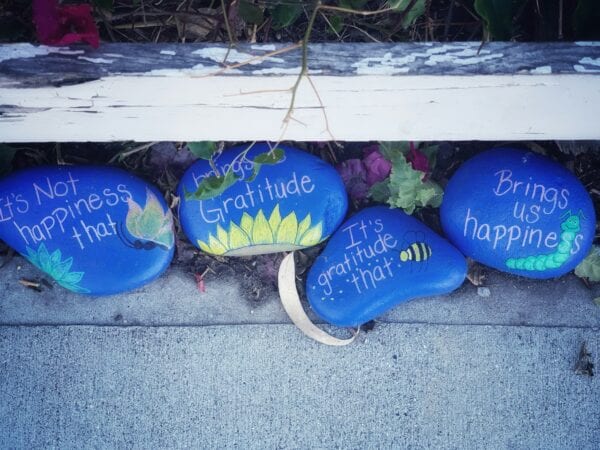

Hey there, wonderful human! Ever had those days where, despite everything being "fine" on paper, you just feel… a little less vibrant? Like something's subtly siphoning off your joy, leaving you feeling a bit drained and detached? You're not alone. It's a feeling many of us encounter, a sneaking suspicion that there are hidden forces at play, quietly chipping away at our well-being.
Sometimes, we look around at our lives, ticking off all the boxes – good job, nice home, loving family – and yet, a pervasive sense of discontent lingers. It's not about being ungrateful, it's about a deeper, often unconscious, dynamic that's subtly influencing your inner landscape. So, let’s peel back the layers together and shine a light on what might be silently stealing your happiness, and more importantly, how you can reclaim it.
The Illusion of Control: When Life Doesn't Cooperate
You know that feeling when you've meticulously planned something, down to the last detail, and then bam! Life throws a curveball? The internet goes out just before your big presentation, traffic jams when you're already late, or that perfect moment you envisioned for yourself doesn't quite unfold as expected. It can be incredibly frustrating, right? This isn't just about minor inconveniences; it taps into a deeper pattern often called "control."
The Trap of "Should-Haves"
Think about it. How often do you find yourself thinking, "This should be happening," or "Things should be different"? This is the essence of fighting reality, wanting life to conform to your internal script. We become deeply invested in how things ought to be, and when reality dares to deviate, we experience a surge of disappointment, annoyance, or even anger. This constant tug-of-war with what is, rather than accepting it, is a huge happiness drainer. It's like trying to paddle upstream against a strong current – exhausting and ultimately, fruitless.
Embracing the Flow of Life
What if, instead of fighting, you learned to dance with the unexpected? Imagine a surfer riding a powerful wave. They don't try to stop the wave, do they? They learn its rhythm, adapt, and move with it. That's the power of letting go of the illusion of control. Research in positive psychology often highlights the importance of resilience – our ability to bounce back from adversity. A key component of resilience is acceptance, acknowledging that some things are simply beyond our influence. When you drop the tight grip of control, you create space for flexibility, for ingenuity, and for finding peace even amidst the chaos.
The Mirror of Conceit: When Self-Image Takes Over
Let's be honest, we all care about how others perceive us, to some extent. It's a natural human inclination. But when this concern morphs into a constant, overwhelming need for external validation, or an inflated sense of self-importance that breeds comparison and judgment, then "conceit" (in its broader sense, not just arrogance) can become a happiness thief.
The Performance Trap
Have you ever found yourself doing something not because you genuinely enjoy it, but because you think it will look good, or impress someone? Perhaps you’ve embellished a story, or spent more than you intended on something just to keep up appearances. This is the performance trap, where your actions are driven by an external audience rather than an internal compass. This constant need to perform can be utterly draining, leaving you feeling inauthentic and far from content. Living for others' approval means your happiness is constantly outsourced, always dependent on shifting external opinions.
Cultivating Authentic Self-Worth
True happiness stems from within, from a deep sense of self-worth that isn't contingent on external accolades or comparisons. It's about recognizing your inherent value, your unique strengths, and embracing your imperfections. Think about times you've felt truly at peace and joyful – weren't those moments often when you were simply being yourself, without pretense or performance? Practicing self-compassion, forgiving yourself for mistakes, and celebrating your small wins can gradually strengthen this inner core of authentic self-worth.
The Green-Eyed Monster of Coveting: The Comparison Trap
Ah, social media. A double-edged sword, isn’t it? On one hand, it connects us, informs us, and allows us to share snippets of our lives. On the other hand, it's become a hotbed for what we're calling "coveting" – the insatiable desire for what others have, fueled by endless comparison. This is perhaps one of the most relevant and insidious happiness thieves in our modern age.
The Highlight Reel Effect
You scroll through your feed, and there it is: your friend's perfect vacation photos, a colleague's promotion announcement, an influencer's seemingly flawless life. And instantly, almost unconsciously, the comparison engine starts whirring. "Why isn't my life like that?" "Am I falling behind?" You're comparing your messy, unedited, full-spectrum life to someone else's carefully curated highlight reel. This creates a painful gap between your reality and someone else's perceived perfection, leading to feelings of inadequacy, envy, and a deep sense of dissatisfaction. Studies show that constant exposure to idealized online lives can significantly contribute to anxiety, depression, and loneliness. The algorithms are designed to keep you engaged, but they can also subtly feed this comparison beast.
Shifting Your Focus to Abundance
Instead of focusing on what others have, what if you shifted your gaze inward, towards the abundance in your own life? This isn't about ignoring your ambition or desires, but about appreciating what you do have, right here, right now. Practicing gratitude is a powerful antidote to coveting. Every morning, take a few moments to list three things you're genuinely grateful for. It could be as simple as a warm cup of coffee, the sun shining through your window, or a kind word from a loved one. This practice trains your brain to look for the positive, shifting your perspective from lack to abundance.
The Endless Pursuit of Consumption: More, More, More
We live in a consumer-driven society, constantly bombarded with messages telling us that happiness can be bought, acquired, or achieved through external possessions. This "consumption" extends beyond just material goods; it's also about a relentless chase for new experiences, constant stimulation, and filling every moment with "doing."
The Hedonic Treadmill
Remember that new gadget you just had to have? Or that amazing trip you planned? For a while, the thrill of the new gave you a boost. But then, as quickly as it arrived, that feeling often fades, and you're left eyeing the next thing, the next experience. This phenomenon is known as the "hedonic treadmill." We constantly adapt to new levels of pleasure, meaning that what once made us happy soon becomes the new normal, and we need more and more to maintain that same level of satisfaction. This endless cycle of acquisition and desire is an exhausting and ultimately unfulfilling path to happiness.
Finding Joy in Enough
What if you paused and asked yourself, "Is this truly adding value to my life, or am I just buying into a narrative?" This isn't about advocating for minimalism (unless that truly resonates with you!), but about intentionality. Consider the joy of simplifying, of decluttering not just your physical space but also your mental and emotional bandwidth. Focus on experiences over possessions, and on quality over quantity. The research consistently shows that experiences, especially those shared with loved ones, create deeper and longer-lasting happiness than material purchases. Think about a cherished memory – it's rarely about an object, but usually about a moment, a connection, a feeling.
The Sedation of Comfort: Resisting Growth
We all crave comfort, don't we? It's natural to seek out ease, familiarity, and a sense of security. But ironically, too much comfort, or a complete resistance to stepping outside our established zones, can become a profound happiness thief. This isn't about pushing yourself to burnout, but about recognizing when your "comfort zone" has become a "stagnation zone."
The Fear of the Unknown
Staying where it's safe and predictable can feel good in the short term. But what happens when you avoid challenges, new experiences, or even difficult conversations, just to maintain that comfortable equilibrium? You stop growing. You miss out on the valuable lessons, the thrilling discoveries, and the profound satisfaction that comes from overcoming obstacles and learning new things. That subtle hum of discontent you might feel could be your soul yearning for expansion, for new possibilities just beyond the familiar.
The Power of Intentional Discomfort
Real personal growth, and often, true happiness, lies just outside your comfort zone. It's in trying that new skill, striking up a conversation with a stranger, taking on a project you initially felt ill-equipped for, or addressing an issue you've been avoiding. These moments of "intentional discomfort" are where you learn your true resilience, discover hidden talents, and broaden your perspective. Think about a time you achieved something you initially thought was impossible. Wasn't that feeling of accomplishment incredibly satisfying? That's the reward of embracing healthy discomfort. It's where you expand your capacity for joy.
So, there you have it – five potential happiness thieves that might be lurking in the shadows of your daily life. The good news? Once you identify them, you gain immense power to reclaim your joy. It's not about eradicating these tendencies entirely (we're all human, after all!), but about becoming more aware, more intentional, and more proactive in cultivating habits that nourish your spirit.
Ultimately, so much unhappiness stems from the belief that happiness lies outside of us, rather than being an internal state we cultivate. It’s about shifting from external seeking to internal creating, from reactive living to intentional designing. You have the power to create a life rich in meaning, purpose, and genuine joy.
Reflection Questions:
- Which of these "happiness thieves" resonates most with you right now? Why?
- Can you think of a recent situation where one of these thieves might have stolen a bit of your joy?
- What's one small step you could take to loosen the grip of that thief in your life?
Simple Action Steps for Today:
- Observe without Judgment: For the next 24 hours, simply notice when you feel the pull of wanting to control something, compare yourself to someone, acquire something new, or avoid a challenging situation. No need to change it, just observe.
- Practice Mindful "Enough": Before you make a purchase or seek out a new experience today, pause and ask yourself, "Do I genuinely need this, or is what I already have/am doing truly enough for now?"
- Gratitude Moment: Before bed, quickly mentally list three unique things you're grateful for that happened today, no matter how small.
FAQs
What are some common factors that can steal happiness?
Some common factors that can steal happiness include stress, negative thinking, lack of self-care, unhealthy relationships, and financial worries.
How does stress affect happiness?
Stress can affect happiness by causing feelings of anxiety, overwhelm, and exhaustion. It can also lead to negative thinking patterns and impact overall well-being.
What role does self-care play in happiness?
Self-care plays a crucial role in happiness as it involves taking care of one's physical, emotional, and mental well-being. Engaging in self-care activities can help reduce stress and improve overall happiness.
How do unhealthy relationships impact happiness?
Unhealthy relationships can impact happiness by causing emotional distress, feelings of inadequacy, and a lack of support. They can also contribute to stress and negative emotions.
What are some strategies for reclaiming happiness?
Some strategies for reclaiming happiness include practicing mindfulness, seeking support from loved ones or a therapist, engaging in self-care activities, setting boundaries in relationships, and addressing financial concerns.