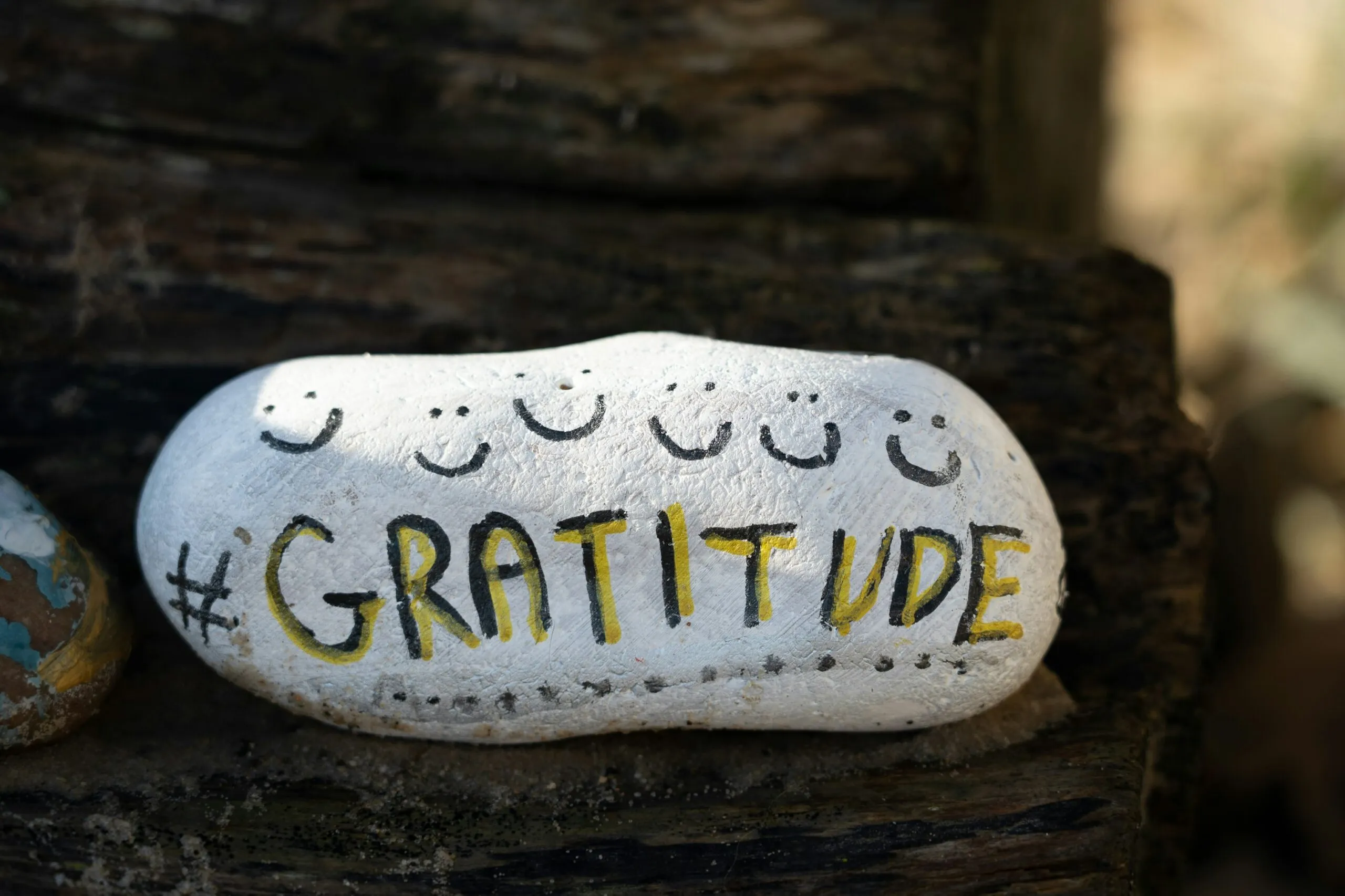
Gratitude is more than just a fleeting feeling; it’s a powerful force that can transform our lives in profound ways. When we consciously acknowledge the good in our lives, we shift our focus from what we lack to what we have. This simple yet profound shift can create a ripple effect, enhancing our overall well-being and happiness.
Gratitude acts as a lens through which we can view our experiences, allowing us to appreciate the small joys that often go unnoticed. It’s a practice that invites us to pause and reflect, to recognize the abundance that surrounds us, even in challenging times. Moreover, gratitude has the remarkable ability to ground us in the present moment.
In a world that often encourages us to chase after future goals or dwell on past regrets, gratitude pulls us back into the here and now. It reminds us that life is not just about the destination but also about the journey. By cultivating a grateful heart, we learn to savor each moment, finding beauty in the mundane and joy in the ordinary.
This perspective not only enriches our personal experiences but also enhances our interactions with others, creating a more positive and connected community.
How Gratitude Shifts Your Mindset
The act of practicing gratitude can significantly alter our mindset, steering us away from negativity and towards a more optimistic outlook on life. When we consciously choose to focus on what we are thankful for, we begin to rewire our brains. This shift in focus can lead to increased resilience, allowing us to navigate life’s challenges with greater ease.
Instead of feeling overwhelmed by obstacles, we start to see them as opportunities for growth and learning. This newfound perspective empowers us to approach life with curiosity rather than fear. Additionally, gratitude fosters a sense of abundance rather than scarcity.
When we acknowledge the good in our lives, we cultivate an inner sense of wealth that transcends material possessions. This abundance mindset encourages us to share our blessings with others, creating a cycle of positivity that can uplift those around us. As we express gratitude, we not only enhance our own well-being but also inspire others to adopt a similar mindset.
In this way, gratitude becomes a catalyst for collective growth and transformation.
Gratitude and the Law of Attraction

The Law of Attraction posits that like attracts like; our thoughts and feelings can manifest into reality. When we embrace gratitude, we align ourselves with positive energy that attracts more of what we desire into our lives. By focusing on what we appreciate, we send out vibrations of abundance and joy, inviting similar experiences to flow back to us.
This principle suggests that gratitude is not merely a passive state of being but an active force that shapes our reality. Moreover, gratitude acts as a magnet for opportunities and relationships that resonate with our highest selves. When we express genuine appreciation for what we have, we open ourselves up to receiving even more blessings.
This doesn’t mean that challenges will disappear; rather, it means that we will be better equipped to handle them with grace and resilience. The Law of Attraction teaches us that by embodying gratitude, we create a powerful alignment with our desires, paving the way for a life filled with abundance and fulfillment.
The Science Behind Gratitude and Attraction
Research has shown that gratitude is not just a feel-good emotion; it has tangible effects on our mental and physical health. Studies indicate that individuals who regularly practice gratitude experience lower levels of stress and anxiety, improved mood, and enhanced overall well-being. Neuroscientific research reveals that gratitude activates areas of the brain associated with reward processing, reinforcing positive feelings and encouraging us to seek out more experiences that elicit joy.
Furthermore, the connection between gratitude and attraction is supported by psychological theories such as positive psychology. This field emphasizes the importance of cultivating positive emotions to enhance life satisfaction and well-being. When we practice gratitude, we not only improve our mental health but also increase our capacity to attract positive experiences into our lives.
The science behind gratitude underscores its role as a transformative tool that can lead to profound changes in our mindset and overall quality of life.
Cultivating Gratitude in Daily Life
Incorporating gratitude into our daily routines doesn’t have to be complicated; it can be as simple as taking a few moments each day to reflect on what we appreciate. One effective method is keeping a gratitude journal where we jot down three things we are thankful for each day. This practice encourages us to actively seek out the positives in our lives, fostering a habit of appreciation that can become second nature over time.
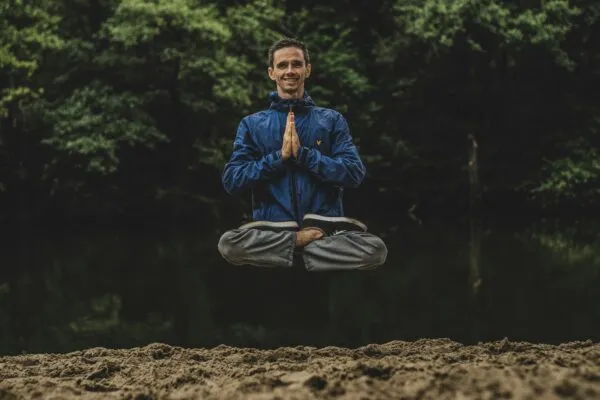
Another way to cultivate gratitude is through mindfulness practices such as meditation or deep breathing exercises. By taking time to center ourselves and focus on the present moment, we can become more attuned to the blessings around us. Whether it’s the warmth of the sun on our skin or the laughter of loved ones, these moments of awareness can deepen our sense of gratitude and connection to life itself.
As we make gratitude a priority in our daily lives, we begin to notice its transformative effects on our mindset and overall well-being.
Gratitude and Improved Relationships

Gratitude plays a crucial role in enhancing our relationships with others. When we express appreciation for those around us, we strengthen our connections and foster a sense of belonging. A simple “thank you” can go a long way in acknowledging someone’s efforts and making them feel valued.
This practice not only boosts their mood but also reinforces positive interactions between us, creating a cycle of appreciation that enriches our relationships. Moreover, expressing gratitude can help resolve conflicts and misunderstandings. When tensions arise, taking a moment to reflect on what we appreciate about the other person can shift our perspective and promote empathy.
By focusing on their positive qualities rather than dwelling on grievances, we create space for healing and reconciliation. In this way, gratitude becomes a powerful tool for nurturing healthy relationships and fostering deeper connections with those we care about.
Gratitude and Health Benefits
The benefits of gratitude extend beyond emotional well-being; they also encompass physical health improvements. Research has shown that individuals who practice gratitude regularly experience better sleep quality, lower blood pressure, and enhanced immune function. The act of acknowledging what we are thankful for can reduce stress levels, which in turn has a positive impact on our overall health.
By cultivating gratitude, we not only improve our mental state but also support our physical well-being. Additionally, gratitude has been linked to healthier lifestyle choices. Grateful individuals are more likely to engage in regular exercise, maintain balanced diets, and prioritize self-care practices.
This holistic approach to well-being underscores the interconnectedness of mind and body; when we nurture one aspect of ourselves through gratitude, we inadvertently enhance others as well. Embracing gratitude as part of our daily routine can lead to a healthier, more vibrant life.
Practical Ways to Practice Gratitude
Practicing gratitude doesn’t require grand gestures; it can be woven into the fabric of our everyday lives through simple yet meaningful actions. One effective method is creating a gratitude jar where you write down moments of appreciation on slips of paper throughout the year. At the end of the year or during challenging times, you can revisit these notes as a reminder of the abundance in your life.
Another practical approach is incorporating gratitude into your conversations with others. Make it a habit to express appreciation for friends, family members, or colleagues regularly. Whether it’s acknowledging their support or celebrating their achievements, these small acts can foster deeper connections and create an atmosphere of positivity.
In conclusion, embracing gratitude is not just an act; it’s a way of life that can profoundly impact our mindset, relationships, health, and overall happiness. By cultivating this powerful practice daily, we open ourselves up to a world filled with abundance and joy—one grateful moment at a time.
Practicing gratitude can significantly enhance your life by attracting better opportunities and relationships. For a deeper understanding of how positive emotions can influence your experiences, you might find the article on travel particularly insightful. It explores how gratitude can transform your travel experiences and help you connect more meaningfully with the world around you. You can read more about it in this related article.
FAQs
What is gratitude?
Gratitude is the practice of recognizing and appreciating the positive aspects of life, including people, experiences, and things. It involves acknowledging the good and expressing thankfulness.
How does gratitude affect mental health?
Gratitude has been shown to improve mental health by reducing stress, increasing happiness, and promoting a positive outlook. It can help decrease symptoms of depression and anxiety.
Can gratitude influence the things I attract in life?
Yes, practicing gratitude can shift your mindset to focus on abundance rather than lack. This positive mindset can help attract better opportunities, relationships, and experiences by fostering optimism and openness.
Is there scientific evidence supporting the benefits of gratitude?
Yes, numerous studies have demonstrated that gratitude practices can enhance well-being, improve sleep, boost immune function, and strengthen social bonds.
How can I practice gratitude daily?
Common methods include keeping a gratitude journal, regularly expressing thanks to others, reflecting on positive experiences, and mindful appreciation of everyday moments.
Does gratitude have any impact on relationships?
Gratitude can strengthen relationships by increasing feelings of connection, trust, and mutual appreciation. Expressing gratitude to others often leads to more positive interactions and deeper bonds.
Is gratitude related to the law of attraction?
Many people believe that gratitude aligns with the law of attraction by helping individuals focus on positive outcomes, which may attract similar positive experiences. However, this is a philosophical perspective rather than a scientific fact.
Can gratitude improve physical health?
Practicing gratitude has been linked to better physical health outcomes, including lower blood pressure, improved heart health, and stronger immune responses.
How long does it take to see benefits from practicing gratitude?
Some benefits, such as improved mood, can be noticed within days or weeks of consistent gratitude practice, while other effects, like enhanced relationships or health improvements, may take longer to develop.
Is gratitude effective for everyone?
While most people benefit from practicing gratitude, individual experiences may vary. Factors such as personality, current mental health, and consistency of practice can influence outcomes.