
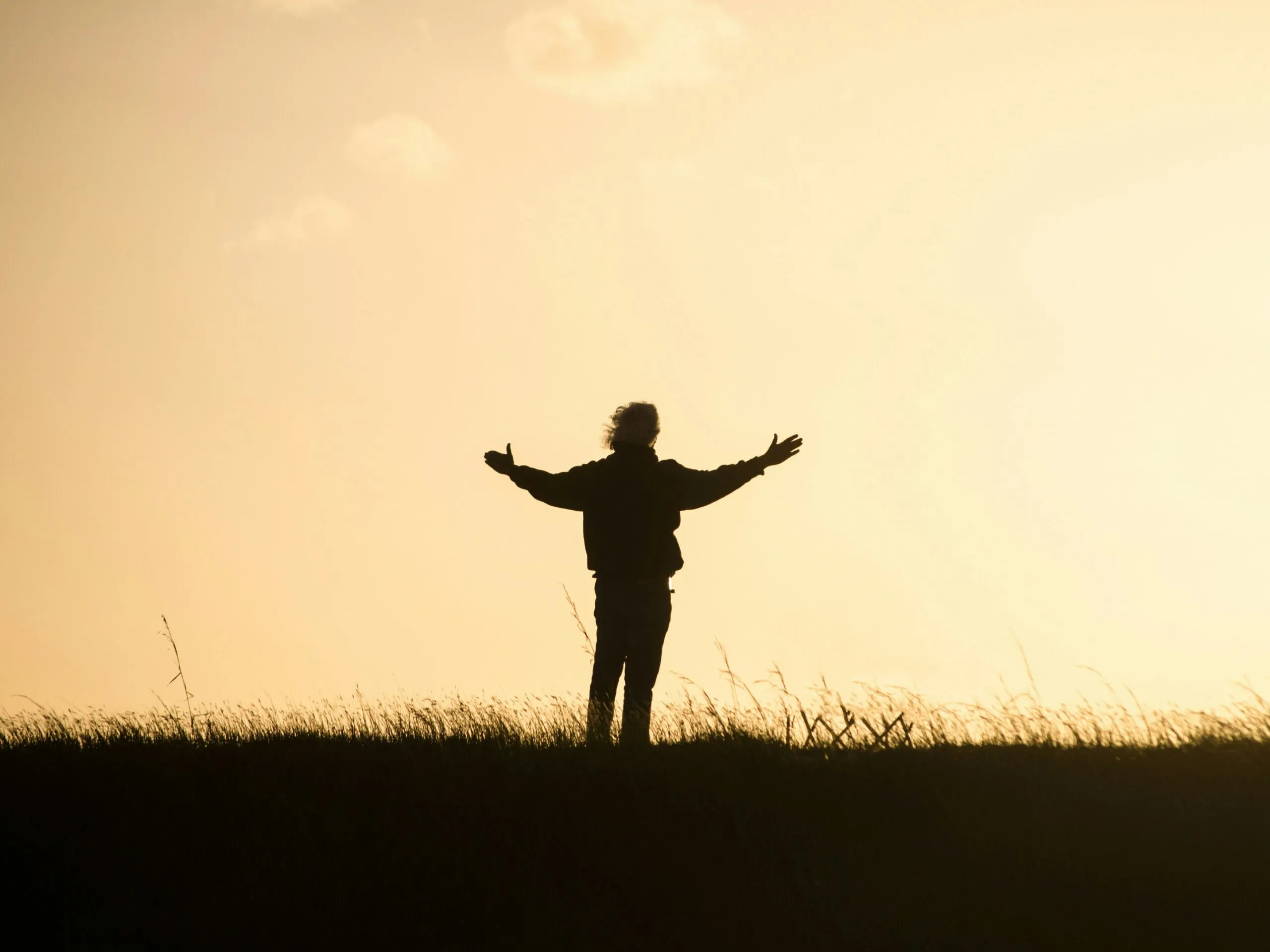
As we delve into the intricate relationship between gratitude and resilience, we find ourselves standing at the intersection of psychology and neuroscience. Research has shown that gratitude is not merely a fleeting emotion; it is a powerful catalyst for resilience. When we express gratitude, our brains release neurotransmitters like dopamine and serotonin, which are essential for our overall well-being.
These chemicals not only enhance our mood but also fortify our ability to cope with adversity. By acknowledging the positive aspects of our lives, we create a mental framework that allows us to bounce back from challenges more effectively. Moreover, studies indicate that individuals who regularly practice gratitude tend to have a more optimistic outlook on life.
This optimism is crucial for resilience, as it enables us to view setbacks as temporary and surmountable. When we cultivate a habit of gratitude, we are essentially training our brains to focus on the good, which can lead to improved emotional regulation and a greater capacity to handle stress. In this way, gratitude becomes a foundational element in building resilience, allowing us to navigate life's ups and downs with greater ease.
How Gratitude Shifts Your Perspective
When we consciously choose to embrace gratitude, we embark on a transformative journey that alters our perspective on life. Instead of fixating on what we lack or the challenges we face, we begin to recognize the abundance that surrounds us. This shift in focus can be profound; it allows us to appreciate the small joys that often go unnoticed in our daily lives.
Whether it’s a warm cup of coffee in the morning or a kind word from a friend, these moments become more significant when viewed through the lens of gratitude. As we practice gratitude, we also become more attuned to the interconnectedness of our experiences. We start to see how our struggles are often intertwined with moments of joy and growth.
This holistic view fosters a sense of acceptance and peace, enabling us to navigate difficult times with a clearer mind. By shifting our perspective in this way, we not only enhance our own well-being but also inspire those around us to adopt a similar outlook. Gratitude becomes a ripple effect, spreading positivity and resilience throughout our communities.
The Role of Gratitude in Building Emotional Strength

Emotional strength is not simply about enduring hardship; it’s about thriving in the face of adversity. Gratitude plays a pivotal role in this process by helping us develop a robust emotional foundation. When we express gratitude, we reinforce positive emotions and diminish negative ones, creating a balanced emotional landscape.
This balance is essential for emotional strength, as it allows us to confront challenges without becoming overwhelmed by despair or anxiety. Furthermore, gratitude encourages us to cultivate empathy and compassion towards ourselves and others. As we acknowledge the support we receive from those around us, we become more inclined to offer support in return.
This reciprocal relationship fosters deeper connections and enhances our emotional resilience. By building a network of supportive relationships grounded in gratitude, we create an environment where emotional strength can flourish. In this way, gratitude not only fortifies our own emotional well-being but also contributes to the emotional strength of those within our circle.
Gratitude as a Tool for Coping with Stress and Anxiety
In today’s fast-paced world, stress and anxiety have become all too common. However, gratitude offers us a powerful tool for managing these feelings. When we find ourselves overwhelmed by stressors, taking a moment to reflect on what we are grateful for can provide immediate relief.
This practice shifts our focus away from our worries and redirects it towards the positive aspects of our lives. By doing so, we create a mental buffer against stress, allowing us to approach challenges with a clearer mind. Moreover, gratitude can help us reframe our experiences in a more positive light.
Instead of viewing stressors as insurmountable obstacles, we can see them as opportunities for growth and learning. This shift in mindset not only reduces anxiety but also empowers us to take proactive steps towards resolving our challenges. By integrating gratitude into our coping strategies, we equip ourselves with the tools needed to navigate life’s uncertainties with confidence and grace.
Cultivating Gratitude to Foster Resilience
Cultivating gratitude is not just an occasional practice; it is an ongoing commitment that requires intentionality and effort. To foster resilience through gratitude, we must actively seek out moments of appreciation in our daily lives. This can be as simple as keeping a gratitude journal where we jot down three things we are thankful for each day.
By making this practice a habit, we train our minds to recognize the positive even amidst adversity. Additionally, sharing our gratitude with others can amplify its effects. When we express appreciation to friends, family, or colleagues, we not only strengthen our relationships but also reinforce our own feelings of gratitude.
This communal aspect of gratitude fosters a sense of belonging and support, which is essential for resilience. As we cultivate gratitude together, we create a collective environment that nurtures resilience and encourages us all to thrive.
The Impact of Gratitude on Mental Health and Well-being

The impact of gratitude on mental health is profound and far-reaching. Numerous studies have demonstrated that individuals who regularly practice gratitude experience lower levels of depression and anxiety. By focusing on what they appreciate in their lives, they cultivate a more positive mindset that enhances their overall mental well-being.
This shift not only improves mood but also contributes to better sleep quality and increased life satisfaction. Moreover, gratitude has been linked to improved physical health outcomes as well. When we engage in practices that promote gratitude, such as mindfulness or journaling, we often experience reduced stress levels and lower blood pressure.
This holistic approach to well-being underscores the interconnectedness of mental and physical health. By prioritizing gratitude in our lives, we create a foundation for lasting mental health benefits that extend beyond mere emotional relief.
Using Gratitude to Build Stronger Relationships
Relationships are at the core of human experience, and gratitude serves as a powerful tool for strengthening these connections. When we express appreciation for others—whether it’s acknowledging their support during tough times or celebrating their achievements—we foster an environment of trust and mutual respect. This practice not only deepens our bonds but also encourages open communication and vulnerability.
Furthermore, expressing gratitude can help resolve conflicts and misunderstandings within relationships. When tensions arise, taking a moment to reflect on what we appreciate about the other person can shift our perspective from blame to understanding. This approach paves the way for constructive dialogue and healing, allowing relationships to grow stronger even in the face of challenges.
By prioritizing gratitude in our interactions, we create a culture of appreciation that enriches our connections with others.
Practical Ways to Practice Gratitude Daily
Incorporating gratitude into our daily lives doesn’t have to be complicated; it can be as simple as adopting small habits that remind us of what we appreciate. One effective practice is starting each day with a moment of reflection—taking time in the morning to think about three things we are grateful for can set a positive tone for the day ahead. This simple ritual helps us cultivate an attitude of appreciation that carries through our daily activities.
Another practical way to practice gratitude is through acts of kindness. Whether it’s writing thank-you notes or offering compliments to those around us, these gestures not only express our appreciation but also reinforce positive connections with others. Additionally, creating visual reminders—such as gratitude jars filled with notes or inspirational quotes—can serve as daily prompts to reflect on what brings us joy and fulfillment.
In conclusion, embracing gratitude is not just an individual endeavor; it is a collective journey that enhances resilience, strengthens relationships, and promotes overall well-being. As we cultivate this powerful practice in our lives, we unlock the potential for deeper connections and greater emotional strength. By making gratitude an integral part of our daily routines, we empower ourselves and those around us to navigate life’s challenges with grace and resilience.
In exploring the theme of resilience and personal growth during challenging times, the article "Grayscale Photo of a Person Holding a Flower" offers a poignant perspective on finding beauty and hope amidst adversity. This piece complements the insights shared in "Why Gratitude Helps You Grow Through Hard Times" by emphasizing the importance of appreciating small moments of joy. You can read more about this perspective in the article [here](https://articles.livetastic.com/2024/07/22/grayscale-photo-of-a-person-holding-a-flower/).
FAQs
What is gratitude?
Gratitude is the practice of recognizing and appreciating the positive aspects of life, including people, experiences, and circumstances. It involves acknowledging what one is thankful for, which can foster a positive mindset.
How does gratitude help during hard times?
Gratitude helps by shifting focus away from negative thoughts and stressors, promoting emotional resilience. It encourages a more balanced perspective, which can reduce feelings of anxiety and depression during difficult periods.
Can practicing gratitude improve mental health?
Yes, regular gratitude practice has been linked to improved mental health outcomes, including increased happiness, reduced symptoms of depression, and greater overall well-being.
What are some common ways to practice gratitude?
Common methods include keeping a gratitude journal, writing thank-you notes, reflecting on positive experiences daily, and verbally expressing appreciation to others.
Is gratitude effective for everyone?
While gratitude generally benefits most people, individual experiences may vary. Some may find it more helpful when combined with other coping strategies or professional support during severe hardships.
How long does it take to see benefits from practicing gratitude?
Benefits can be noticed within a few weeks of consistent practice, though long-term commitment often leads to more significant and lasting positive effects.
Can gratitude influence physical health?
Research suggests that gratitude can positively impact physical health by improving sleep quality, reducing stress-related symptoms, and enhancing overall wellness.
Does gratitude help in personal growth?
Yes, gratitude fosters personal growth by encouraging self-reflection, increasing emotional intelligence, and promoting a positive outlook that supports learning and adaptation during challenges.