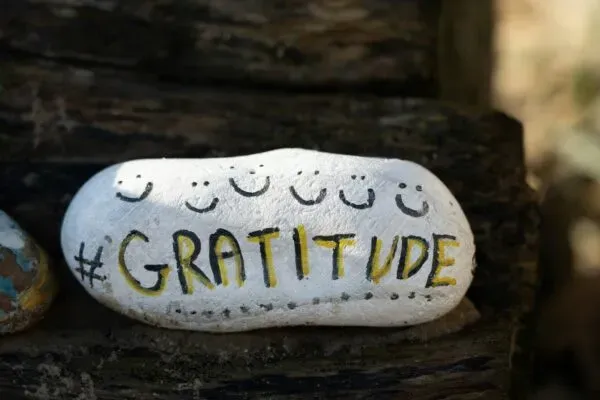

Gratitude is more than just a fleeting feeling; it is a profound acknowledgment of the goodness in our lives. When we take a moment to reflect on what we appreciate, we tap into a powerful emotional resource that can transform our perspective. This simple act of recognition can shift our focus from what we lack to what we have, creating a sense of abundance rather than scarcity.
The power of gratitude lies in its ability to rewire our brains, fostering a mindset that is more attuned to positivity and fulfillment. Moreover, gratitude serves as a bridge connecting us to the world around us. It encourages us to recognize the contributions of others in our lives, whether they are friends, family, or even strangers.
By expressing gratitude, we not only enhance our own well-being but also uplift those around us. This reciprocal relationship creates a cycle of positivity that can ripple through our communities, fostering a culture of appreciation and kindness. Understanding the power of gratitude is the first step toward harnessing its benefits in our daily lives.
The Connection Between Gratitude and Happiness
Research consistently shows a strong correlation between gratitude and happiness. When we practice gratitude, we are more likely to experience positive emotions, engage in healthy behaviors, and build strong relationships. This connection is not merely anecdotal; studies have demonstrated that individuals who regularly express gratitude report higher levels of life satisfaction and overall well-being.
The act of recognizing and appreciating the good in our lives can lead to a more optimistic outlook, which in turn enhances our happiness. Furthermore, gratitude acts as a buffer against negative emotions. When faced with challenges or setbacks, those who cultivate a grateful mindset are better equipped to navigate adversity.
Instead of dwelling on what is going wrong, they focus on what is going right, allowing them to maintain a sense of hope and resilience. This shift in perspective not only contributes to greater happiness but also fosters emotional stability, enabling individuals to bounce back from difficulties with greater ease.
Cultivating a Grateful Mindset

Cultivating a grateful mindset requires intentionality and practice. It begins with the simple act of noticing the small joys in everyday life—whether it’s the warmth of the sun on your skin, a kind word from a friend, or a delicious meal. By consciously acknowledging these moments, we train our brains to seek out positivity rather than negativity.
Keeping a gratitude journal can be an effective tool in this process; by writing down what we are thankful for each day, we create a tangible record of our blessings that we can revisit during challenging times. Additionally, surrounding ourselves with reminders of gratitude can reinforce this mindset. Visual cues, such as quotes or images that inspire appreciation, can serve as daily prompts to reflect on what we value.
Engaging in conversations about gratitude with friends or family can also deepen our understanding and commitment to this practice. By sharing our experiences and insights, we not only strengthen our own gratefulness but also inspire others to embrace this transformative mindset.
Gratitude as a Tool for Resilience
Resilience is the ability to bounce back from adversity, and gratitude plays a crucial role in fostering this quality. When we encounter difficulties, it is easy to become overwhelmed by negative thoughts and emotions. However, those who practice gratitude are more likely to maintain perspective during tough times.
By focusing on what they appreciate—even amidst challenges—they can cultivate hope and find strength in their circumstances. Moreover, gratitude encourages problem-solving and proactive behavior. Instead of succumbing to despair, grateful individuals are more inclined to seek solutions and take constructive action.
This proactive approach not only helps them navigate challenges more effectively but also reinforces their sense of agency and control over their lives. In this way, gratitude becomes a powerful tool for resilience, enabling individuals to face adversity with courage and optimism.
The Impact of Gratitude on Relationships
Gratitude has a profound impact on our relationships, enhancing both personal connections and social bonds. When we express appreciation for others, we strengthen our ties and foster an environment of mutual respect and support. Simple acts of gratitude—such as saying thank you or acknowledging someone’s efforts—can significantly improve the quality of our interactions.
These expressions create a positive feedback loop, where appreciation begets more appreciation, leading to deeper connections. Furthermore, gratitude can help resolve conflicts and misunderstandings in relationships. When tensions arise, taking a moment to reflect on what we appreciate about the other person can shift our perspective and promote empathy.
This shift allows us to approach disagreements with a more open heart and mind, facilitating constructive dialogue rather than defensiveness. By prioritizing gratitude in our relationships, we cultivate an atmosphere of love and understanding that can weather even the most challenging storms.
Gratitude as a Source of Motivation

Gratitude can serve as a powerful source of motivation in various aspects of life. When we acknowledge the support and resources available to us, we are more likely to feel inspired to take action toward our goals. This sense of appreciation fuels our drive and determination, reminding us that we are not alone in our endeavors.
Whether it’s pursuing personal ambitions or contributing to a larger cause, gratitude can ignite a passion that propels us forward. Additionally, gratitude helps us maintain perspective on our achievements and progress. Celebrating small victories along the way fosters a sense of accomplishment that motivates us to keep going.
By recognizing the efforts that have led us to where we are today—whether they are our own or those of others—we cultivate an intrinsic motivation that is rooted in appreciation rather than comparison or competition. This mindset allows us to pursue our goals with joy and enthusiasm.
Practicing Gratitude in Daily Life
Incorporating gratitude into our daily lives doesn’t have to be complicated; it can be as simple as taking a few moments each day to reflect on what we appreciate. One effective practice is to set aside time each morning or evening for gratitude reflection. During this time, we can think about three things we are thankful for—big or small—and allow ourselves to fully experience the positive emotions associated with these thoughts.
Another practical approach is to express gratitude actively throughout the day. This could involve sending a quick text message to a friend thanking them for their support or writing a note of appreciation for someone’s hard work. These small gestures not only reinforce our own gratefulness but also spread positivity to those around us.
By making gratitude a regular part of our routine, we create lasting habits that enhance our overall well-being.
The Science Behind Gratitude and Happiness
The scientific community has increasingly recognized the profound effects of gratitude on mental health and happiness. Numerous studies have shown that individuals who practice gratitude regularly experience lower levels of stress and depression while enjoying higher levels of life satisfaction. Neuroimaging research has revealed that expressing gratitude activates areas of the brain associated with reward processing, suggesting that gratitude not only feels good but also reinforces positive behavior.
Moreover, the physiological benefits of gratitude extend beyond emotional well-being. Research indicates that grateful individuals tend to engage in healthier lifestyle choices—such as exercising regularly and getting adequate sleep—contributing to overall physical health. This holistic connection between gratitude and well-being underscores its importance as a foundational practice for leading a fulfilling life.
By understanding the science behind gratitude, we can appreciate its role not just as an emotional experience but as a vital component of our overall health and happiness. In conclusion, embracing gratitude is not merely an exercise in positivity; it is a transformative practice that enriches every aspect of our lives—from enhancing happiness and resilience to strengthening relationships and motivating us toward our goals. By cultivating a grateful mindset and incorporating gratitude into our daily routines, we unlock the potential for deeper fulfillment and connection in both ourselves and those around us.
In exploring the profound impact of gratitude on our overall happiness, it's insightful to consider how cultivating a grateful mindset can enhance our daily lives. For further reading on this topic, you might find the article on the importance of gratitude in personal development particularly enlightening. You can check it out here: Why Gratitude Is the Foundation of Deep Happiness. This article delves into the various ways gratitude can transform our perspectives and foster deeper connections with ourselves and others.
FAQs
What is gratitude?
Gratitude is the quality of being thankful and showing appreciation for what one has, whether it be people, experiences, or things.
How does gratitude contribute to happiness?
Gratitude helps individuals focus on positive aspects of their lives, which can increase feelings of contentment and reduce negative emotions, thereby fostering deeper and more lasting happiness.
Can practicing gratitude improve mental health?
Yes, regularly practicing gratitude has been linked to lower levels of stress, anxiety, and depression, as well as improved overall mental well-being.
What are some common ways to practice gratitude?
Common methods include keeping a gratitude journal, expressing thanks to others, reflecting on positive experiences, and mindfulness practices that emphasize appreciation.
Is gratitude a skill that can be developed?
Yes, gratitude is a skill that can be cultivated over time through consistent practice and intentional focus on recognizing and appreciating the good in life.
Does gratitude affect relationships?
Gratitude can strengthen relationships by promoting positive interactions, increasing empathy, and fostering mutual appreciation between individuals.
Can gratitude influence physical health?
Research suggests that gratitude may have positive effects on physical health, such as improved sleep, reduced inflammation, and better cardiovascular health.
Is gratitude the same as happiness?
No, gratitude is a mindset or practice that can lead to happiness, but happiness itself is a broader emotional state that includes feelings of joy, satisfaction, and well-being.
How quickly can gratitude impact one’s happiness?
Some studies indicate that even short-term gratitude practices, like writing a gratitude list for a few weeks, can lead to noticeable improvements in happiness and mood.
Are there any scientific studies supporting the benefits of gratitude?
Yes, numerous psychological studies have demonstrated that gratitude is associated with increased happiness, better mental health, and stronger social bonds.