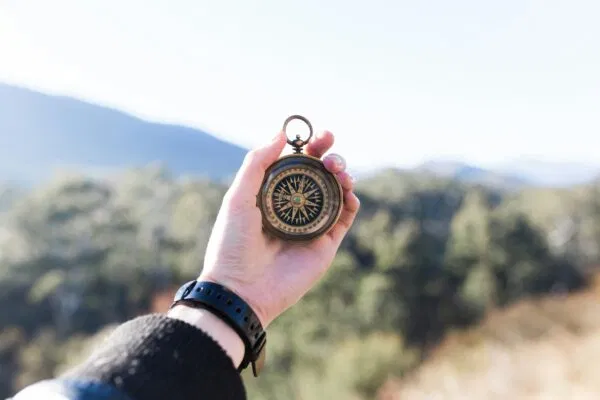

Gratitude is more than just a fleeting feeling; it’s a powerful force that can transform our lives in profound ways. When we take a moment to appreciate what we have, we shift our focus from scarcity to abundance. This simple act of acknowledgment can illuminate the beauty in our everyday experiences, allowing us to see the world through a lens of positivity.
Gratitude acts as a catalyst for joy, helping us to recognize the small blessings that often go unnoticed. It’s in these moments of appreciation that we find clarity and purpose, reminding us of the richness of our lives. Moreover, gratitude has the remarkable ability to reshape our perspectives.
When we consciously practice gratitude, we begin to rewire our brains, fostering a mindset that seeks out the good even in challenging situations. This shift not only enhances our emotional well-being but also empowers us to navigate life’s ups and downs with resilience. By embracing gratitude, we cultivate a sense of hope and optimism that can propel us forward, even when faced with adversity.
In essence, gratitude is a powerful tool that can help us unlock our potential and lead more fulfilling lives.
Overcoming Adversity with Gratitude
Adversity is an inevitable part of life, but how we respond to it can define our journey. Gratitude serves as a beacon of light during dark times, guiding us through challenges with grace and strength. When faced with difficulties, it’s easy to become consumed by negativity and despair.
However, by consciously choosing to focus on what we are grateful for, we can shift our mindset and find strength in our struggles. This practice allows us to see obstacles as opportunities for growth rather than insurmountable barriers. For instance, consider someone who has lost their job.
Initially, this situation may feel overwhelming and disheartening. Yet, by practicing gratitude, they might begin to appreciate the time they now have to explore new passions or reconnect with loved ones. This shift in perspective can lead to unexpected opportunities and personal growth.
Gratitude helps us to reframe our experiences, enabling us to find meaning even in the most challenging circumstances. By embracing this mindset, we not only overcome adversity but also emerge stronger and more resilient.
The Science Behind Gratitude and Resilience

The relationship between gratitude and resilience is not merely anecdotal; it is supported by a growing body of scientific research. Studies have shown that individuals who regularly practice gratitude tend to exhibit higher levels of resilience when faced with stressors. This connection can be attributed to the way gratitude influences our brain chemistry.
When we express gratitude, our brains release dopamine and serotonin—neurotransmitters associated with feelings of happiness and well-being. This biochemical response not only elevates our mood but also enhances our ability to cope with challenges. Furthermore, gratitude fosters a sense of social connection, which is crucial for building resilience.
When we acknowledge the support of others in our lives, we strengthen our relationships and create a network of encouragement during tough times. This social support acts as a buffer against stress, allowing us to bounce back more effectively from setbacks. In essence, gratitude not only enriches our emotional landscape but also fortifies our mental resilience, equipping us with the tools needed to navigate life’s inevitable challenges.
Cultivating a Grateful Mindset
Cultivating a grateful mindset is an intentional practice that requires commitment and consistency. It begins with awareness—recognizing the abundance that surrounds us in both big and small ways. One effective method for fostering gratitude is through journaling.
By taking a few moments each day to jot down what we are thankful for, we create a tangible record of positivity that can serve as a reminder during difficult times. This practice encourages us to reflect on our experiences and appreciate the richness of our lives. Another powerful way to cultivate gratitude is through mindfulness meditation.
By focusing on the present moment and acknowledging our blessings without judgment, we can deepen our appreciation for life as it unfolds. This practice not only enhances our awareness but also allows us to connect more deeply with ourselves and others. As we cultivate a grateful mindset, we begin to notice shifts in our overall outlook on life—transforming challenges into opportunities for growth and fostering a sense of peace amidst chaos.
Gratitude as a Tool for Mental and Emotional Strength
Gratitude is not just a feel-good emotion; it is a formidable tool for building mental and emotional strength. When we actively engage in gratitude practices, we develop a greater sense of self-awareness and emotional intelligence. This heightened awareness allows us to recognize negative thought patterns and replace them with positive affirmations rooted in gratitude.
As a result, we become more adept at managing stress and navigating emotional turbulence. Moreover, gratitude fosters resilience by encouraging us to focus on solutions rather than problems. When faced with adversity, individuals who practice gratitude are more likely to approach challenges with a problem-solving mindset.
They view setbacks as temporary obstacles rather than permanent failures, which empowers them to take proactive steps toward overcoming difficulties. In this way, gratitude becomes a cornerstone of mental fortitude, enabling us to face life’s challenges with courage and determination.
Gratitude and Physical Well-being

The benefits of gratitude extend beyond mental and emotional health; they also have a significant impact on physical well-being. Research has shown that individuals who regularly practice gratitude experience lower levels of stress and anxiety, which can lead to improved physical health outcomes. Chronic stress is known to contribute to various health issues, including heart disease and weakened immune function.
By cultivating gratitude, we can mitigate these effects and promote overall wellness. Additionally, gratitude has been linked to better sleep quality—a crucial component of physical health. When we focus on positive aspects of our lives before bedtime, we create a calming mental environment that promotes restful sleep.
Improved sleep not only enhances our physical health but also contributes to better cognitive function and emotional regulation during waking hours. In this way, gratitude serves as a holistic approach to well-being, nurturing both body and mind.
Gratitude in Building Stronger Relationships
Gratitude plays a pivotal role in fostering strong relationships—both personal and professional. When we express appreciation for others, we strengthen the bonds that connect us. A simple “thank you” can go a long way in reinforcing feelings of trust and respect within relationships.
By acknowledging the contributions of those around us, we create an environment where individuals feel valued and motivated to support one another. Moreover, practicing gratitude can enhance communication within relationships. When we approach conversations with an attitude of appreciation, we are more likely to listen actively and respond empathetically.
This open exchange fosters deeper connections and encourages vulnerability—key ingredients for building lasting relationships. In essence, gratitude acts as a glue that binds us together, creating a sense of community and belonging that enriches our lives.
Practicing Gratitude in Daily Life
Incorporating gratitude into our daily lives doesn’t have to be complicated; it can be as simple as making small adjustments to our routines. One effective practice is to start each day by identifying three things we are grateful for before getting out of bed. This sets a positive tone for the day ahead and encourages us to carry that mindset into our interactions with others.
Another practical approach is to create rituals around gratitude—such as sharing what we are thankful for during family meals or writing thank-you notes to express appreciation for acts of kindness. These rituals not only reinforce our own gratitude but also inspire those around us to adopt similar practices. By embedding gratitude into the fabric of our daily lives, we cultivate an enduring mindset that enhances our overall well-being and enriches our relationships.
In conclusion, the power of gratitude is undeniable—it has the potential to transform our lives in ways we may not fully comprehend. By embracing this practice, we can overcome adversity, build resilience, enhance our physical health, strengthen relationships, and ultimately lead more fulfilling lives. As we navigate the complexities of life, let us remember that gratitude is not just an emotion; it is a way of being that can illuminate even the darkest paths ahead.
In exploring the theme of resilience and the power of gratitude, you may find it insightful to read the article titled "Black Old Bike Parked Beside White Wall," which delves into the symbolism of strength in everyday objects and experiences. This piece complements the ideas presented in "Why Gratitude Makes You Stronger Than Struggle" by highlighting how appreciating the simple things can foster a deeper sense of resilience. You can read the article [here](https://articles.livetastic.com/2024/07/30/black-old-bike-parked-beside-white-wall/).
FAQs
What is gratitude?
Gratitude is the practice of recognizing and appreciating the positive aspects of life, including people, experiences, and circumstances. It involves acknowledging the good things one has, which can foster a sense of contentment and well-being.
How does gratitude impact mental health?
Gratitude has been shown to improve mental health by reducing stress, anxiety, and depression. It promotes positive emotions, enhances resilience, and helps individuals cope better with challenges and adversity.
Can gratitude make a person stronger in difficult situations?
Yes, practicing gratitude can increase emotional strength by shifting focus from problems to positive elements in life. This mindset helps individuals maintain hope, build resilience, and find meaning during struggles.
Is there scientific evidence supporting the benefits of gratitude?
Numerous studies have demonstrated that gratitude is linked to improved psychological health, better sleep, increased happiness, and stronger relationships. Research suggests that gratitude activates brain regions associated with reward and empathy.
How can someone cultivate gratitude in their daily life?
People can cultivate gratitude by keeping a gratitude journal, regularly reflecting on things they are thankful for, expressing appreciation to others, and practicing mindfulness to notice positive moments throughout the day.
Does gratitude affect physical health?
Gratitude can positively influence physical health by reducing stress-related symptoms, lowering blood pressure, and improving sleep quality. These effects contribute to overall better health and well-being.
Is gratitude a religious or spiritual concept only?
While gratitude is emphasized in many religious and spiritual traditions, it is also a secular practice supported by psychological research. Anyone can practice gratitude regardless of their beliefs.
How does gratitude differ from simply being positive?
Gratitude specifically involves recognizing and appreciating what one has, whereas positivity is a broader attitude that includes optimism and hopeful thinking. Gratitude focuses on acknowledgment and thankfulness rather than just positive expectations.