
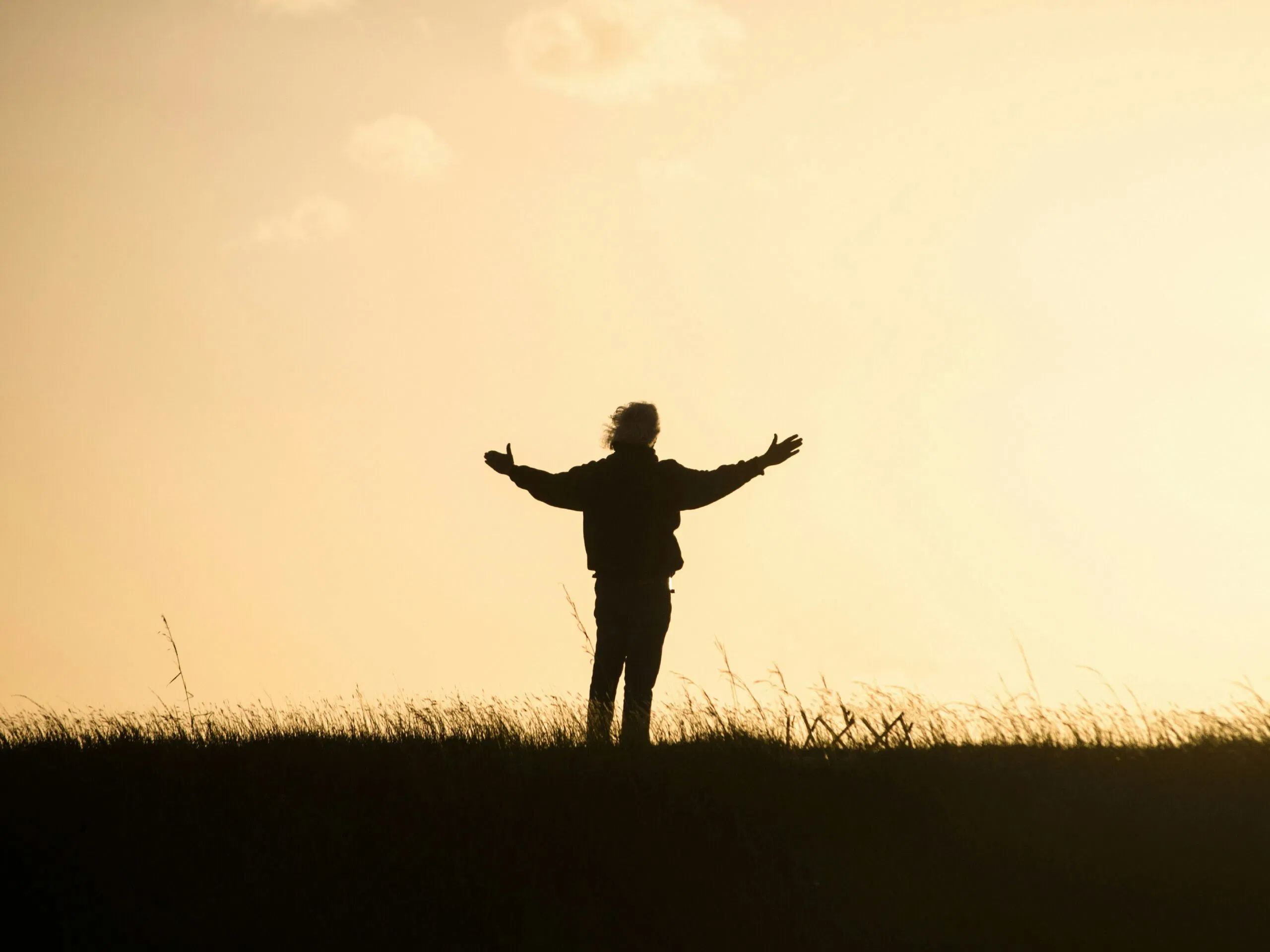
Gratitude is more than just a fleeting feeling; it is a powerful force that can transform our lives in profound ways. When we take the time to acknowledge and appreciate the good things in our lives, we shift our focus from what we lack to what we have. This simple yet profound shift can lead to increased happiness, improved relationships, and a greater sense of fulfillment.
Gratitude acts as a lens through which we can view our experiences, allowing us to see the beauty in the mundane and the extraordinary alike. It is a practice that invites us to pause, reflect, and recognize the abundance that surrounds us. Moreover, gratitude has the remarkable ability to ground us in the present moment.
In a world that often encourages us to chase after more—more success, more possessions, more validation—gratitude reminds us to appreciate what is already here. It encourages mindfulness, urging us to savor the small joys of life, whether it’s a warm cup of coffee in the morning or a kind word from a friend. By cultivating gratitude, we create a mental space where joy can flourish, allowing us to experience life more fully and authentically.
How Gratitude Changes Perspective
When we consciously practice gratitude, we begin to notice a shift in our perspective. Instead of viewing challenges as insurmountable obstacles, we start to see them as opportunities for growth and learning. This change in mindset can be incredibly liberating.
For instance, when faced with a difficult situation, rather than succumbing to frustration or despair, we can choose to focus on what we can learn from the experience or how it might ultimately benefit us in the long run. This reframing allows us to approach life with a sense of curiosity and resilience. Additionally, gratitude helps us cultivate a more positive outlook on life.
Research has shown that individuals who regularly practice gratitude tend to have a more optimistic view of their circumstances. They are more likely to see the silver lining in difficult situations and maintain hope for the future. This positive perspective not only enhances our emotional well-being but also influences how we interact with others.
When we approach life with gratitude, we radiate positivity, which can inspire those around us to adopt a similar mindset.
Gratitude and Mental Health

The connection between gratitude and mental health is well-documented and increasingly recognized by mental health professionals. Studies have shown that individuals who practice gratitude regularly experience lower levels of anxiety and depression. By focusing on what they are thankful for, they can break free from negative thought patterns that often contribute to mental health struggles.
Gratitude serves as a powerful antidote to feelings of inadequacy and self-doubt, fostering a sense of self-worth and contentment. Furthermore, gratitude can enhance overall emotional resilience. When we cultivate an attitude of thankfulness, we build a mental buffer against stress and adversity.
This resilience allows us to navigate life’s challenges with greater ease and confidence. Instead of feeling overwhelmed by setbacks, we can draw upon our gratitude practice as a source of strength and motivation. In this way, gratitude not only improves our mental health but also equips us with the tools needed to face life’s inevitable ups and downs.
The Science Behind Gratitude
The scientific exploration of gratitude has gained momentum in recent years, revealing fascinating insights into its effects on our brains and bodies. Neuroscientific studies have shown that practicing gratitude activates regions of the brain associated with reward processing and emotional regulation. When we express gratitude, our brains release neurotransmitters such as dopamine and serotonin—chemicals that promote feelings of happiness and well-being.
This biological response reinforces the positive feelings associated with gratitude, creating a virtuous cycle that encourages us to continue practicing it. Moreover, research has demonstrated that gratitude can lead to tangible improvements in physical health. Individuals who regularly express gratitude report fewer health complaints, better sleep quality, and even lower blood pressure.
The act of acknowledging what we are thankful for can reduce stress levels, which in turn has a positive impact on our overall health. By understanding the science behind gratitude, we can appreciate its profound effects not only on our mental state but also on our physical well-being.
Gratitude and Relationships
Gratitude plays a crucial role in nurturing and strengthening our relationships with others. When we express appreciation for those around us—whether it’s a partner, friend, or colleague—we foster deeper connections built on mutual respect and understanding. A simple “thank you” can go a long way in reinforcing bonds and creating an atmosphere of positivity within our relationships.
By acknowledging the contributions of others, we validate their efforts and encourage them to continue being supportive and kind. Additionally, gratitude can serve as a powerful tool for conflict resolution. In moments of tension or disagreement, taking a step back to reflect on what we appreciate about the other person can help diffuse negativity and promote empathy.
This shift in focus allows us to approach conflicts with a more open heart and mind, paving the way for constructive dialogue and resolution. Ultimately, cultivating gratitude within our relationships not only enhances our connections but also contributes to a more harmonious and fulfilling social environment.
Cultivating Gratitude in Everyday Life

Incorporating gratitude into our daily routines doesn’t have to be complicated; it can be as simple as setting aside a few moments each day to reflect on what we are thankful for. One effective method is keeping a gratitude journal where we jot down three things we appreciate each day. This practice encourages us to actively seek out the positive aspects of our lives, no matter how small they may seem.
Over time, this habit can help rewire our brains to focus more on abundance rather than scarcity. Another way to cultivate gratitude is through mindfulness practices such as meditation or deep breathing exercises. These practices allow us to center ourselves in the present moment and become more aware of our surroundings.
By taking time to notice the beauty in everyday experiences—a blooming flower, a warm breeze, or laughter shared with friends—we can deepen our sense of appreciation for life itself. The key is consistency; by making gratitude a regular part of our lives, we can create lasting change in our mindset.
Gratitude and Resilience
Resilience is often defined as the ability to bounce back from adversity, and gratitude plays an essential role in fostering this quality within us. When faced with challenges or setbacks, individuals who practice gratitude are better equipped to cope with stress and maintain a positive outlook. This resilience stems from their ability to find meaning in difficult experiences and recognize the lessons they offer.
Rather than viewing hardships as insurmountable barriers, they see them as opportunities for growth. Moreover, gratitude helps build a supportive network during tough times. When we express appreciation for those who stand by us during challenges—friends who lend an ear or family members who offer support—we strengthen our connections with them.
This network becomes an invaluable resource when navigating adversity, providing encouragement and perspective when we need it most. In this way, gratitude not only enhances our individual resilience but also fosters communal strength.
Practicing Gratitude for a Magical Life
Ultimately, practicing gratitude can lead us toward a more magical life—one filled with wonder, joy, and connection. By embracing an attitude of thankfulness, we open ourselves up to experiencing life’s richness in all its forms. We begin to notice the small miracles that surround us daily: the kindness of strangers, the beauty of nature, or the warmth of human connection.
This heightened awareness allows us to live more fully in each moment. In conclusion, gratitude is not merely an emotion; it is a transformative practice that has the power to enrich our lives in countless ways. From enhancing our mental health to strengthening relationships and fostering resilience, the benefits of gratitude are profound and far-reaching.
By committing to cultivate gratitude in our everyday lives, we embark on a journey toward greater fulfillment and joy—a journey that ultimately leads us to discover the magic that exists all around us.
In exploring the transformative power of gratitude, it's interesting to consider how our daily habits can also enhance our experiences. For instance, the article How Coffee Shapes Your Daily Routine delves into the role that coffee plays in creating moments of joy and connection throughout the day. Just as gratitude can turn ordinary moments into something magical, the simple act of enjoying a cup of coffee can elevate our daily routines and foster a sense of appreciation for the little things in life.
FAQs
What is gratitude?
Gratitude is the practice of recognizing and appreciating the positive aspects of life, including people, experiences, and things. It involves acknowledging the good and expressing thankfulness.
How does gratitude impact daily life?
Gratitude can improve mental well-being by fostering a positive outlook, reducing stress, and increasing feelings of happiness. It helps individuals focus on what they have rather than what they lack, turning ordinary moments into meaningful experiences.
Can practicing gratitude improve relationships?
Yes, expressing gratitude can strengthen relationships by promoting kindness, empathy, and mutual appreciation. It encourages positive communication and helps build trust and connection between people.
What are some simple ways to practice gratitude daily?
Common methods include keeping a gratitude journal, verbally expressing thanks to others, reflecting on positive experiences, and mindful appreciation of everyday moments.
Is gratitude linked to better physical health?
Research suggests that gratitude can contribute to better physical health by reducing stress, improving sleep quality, and encouraging healthier behaviors.
How quickly can gratitude change one’s perspective?
The effects of gratitude can be noticed relatively quickly, sometimes within days or weeks of consistent practice, as it helps reframe thoughts and focus on positive aspects of life.
Does gratitude require religious or spiritual beliefs?
No, gratitude is a universal practice that can be embraced by individuals regardless of their religious or spiritual beliefs. It is a psychological and emotional approach to appreciating life.
Can gratitude help in overcoming challenges?
Yes, gratitude can provide resilience by helping individuals find meaning and positivity even during difficult times, which can improve coping strategies and emotional strength.