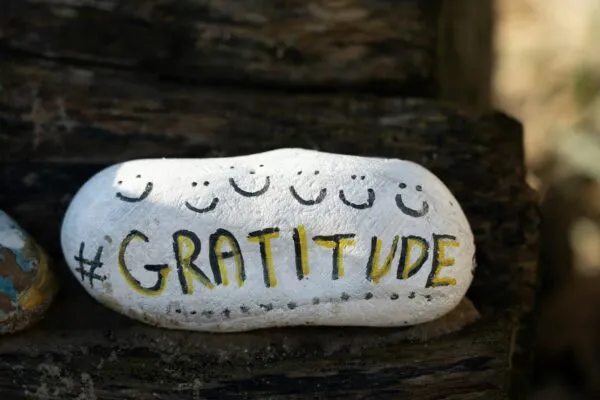

Gratitude is a powerful force that can transform our lives in profound ways. When we take the time to acknowledge and appreciate the good things in our lives, we shift our focus from what we lack to what we have. This simple yet profound shift in perspective can lead to increased happiness, improved mental health, and a greater sense of fulfillment.
We often find ourselves caught up in the hustle and bustle of daily life, forgetting to pause and reflect on the blessings that surround us. By consciously practicing gratitude, we can cultivate a deeper sense of contentment and joy. Moreover, gratitude has a ripple effect that extends beyond our individual experiences.
When we express appreciation for others, we not only uplift ourselves but also inspire those around us. This creates a positive feedback loop, where gratitude begets more gratitude. As we share our appreciation with friends, family, and colleagues, we foster an environment of positivity and support.
In this way, gratitude becomes a collective experience that strengthens our connections and enhances our overall well-being.
Key Takeaways
- Gratitude enhances overall well-being and shifts focus to positive aspects of life.
- Developing a positive mindset helps in embracing challenges and reducing negativity.
- Joy is found by fully engaging with and appreciating the present moment.
- Letting go of conditional happiness leads to lasting contentment and fulfillment.
- Appreciation strengthens resilience, relationships, and promotes self-compassion.
Cultivating a Positive Mindset
Cultivating a positive mindset is essential for navigating the challenges of life with resilience and grace. It involves consciously choosing to focus on the bright side of situations, even when faced with adversity. We can train our minds to look for silver linings and opportunities for growth, rather than dwelling on negativity or setbacks.
This shift in thinking not only improves our mood but also enhances our problem-solving abilities and creativity. By embracing a positive mindset, we empower ourselves to tackle challenges head-on and emerge stronger. To foster this positive outlook, we can engage in practices such as affirmations, visualization, and mindfulness.
Affirmations allow us to reinforce positive beliefs about ourselves and our capabilities, while visualization helps us imagine successful outcomes. Mindfulness encourages us to stay present and fully engage with our experiences, reducing anxiety about the future or regrets about the past. Together, these practices create a fertile ground for positivity to flourish, enabling us to approach life with optimism and enthusiasm.
Finding Joy in the Present Moment

In our fast-paced world, it is all too easy to get caught up in the whirlwind of responsibilities and distractions. We often find ourselves longing for future events or reminiscing about past experiences, neglecting the beauty of the present moment. However, when we consciously choose to immerse ourselves in the here and now, we unlock a treasure trove of joy and fulfillment.
By practicing mindfulness and being fully present in our daily activities, we can savor the simple pleasures that life has to offer. Finding joy in the present moment requires us to slow down and appreciate the little things that often go unnoticed. Whether it’s the warmth of the sun on our skin, the laughter of a loved one, or the aroma of freshly brewed coffee, these moments hold immense value when we take the time to acknowledge them.
By cultivating an attitude of mindfulness, we can transform mundane tasks into meaningful experiences, enriching our lives with a sense of wonder and gratitude.
Many of us fall into the trap of believing that happiness is contingent upon external circumstances or future achievements. We often find ourselves saying things like, "I'll be happy when I get that promotion," or "I'll be happy when I find my soulmate." This "I'll be happy when..." mentality can lead to a perpetual cycle of dissatisfaction, as we constantly chase after elusive goals without recognizing the joy that exists in our current lives. To break free from this mindset, we must learn to cultivate happiness from within.
Embracing the idea that happiness is not solely dependent on external factors allows us to appreciate our lives as they are right now. We can practice gratitude for what we have achieved so far and recognize that fulfillment comes from within rather than from external validation. By shifting our focus from future aspirations to present experiences, we open ourselves up to a deeper sense of contentment and joy.
This shift not only enhances our well-being but also empowers us to pursue our goals with a sense of purpose rather than desperation.
The Science of Appreciation
The science behind appreciation reveals its profound impact on our mental and emotional well-being. Research has shown that practicing gratitude can lead to increased levels of happiness, reduced symptoms of depression, and improved overall life satisfaction. When we express appreciation, our brains release neurotransmitters such as dopamine and serotonin, which are associated with feelings of pleasure and well-being.
This biological response reinforces the importance of gratitude as a tool for enhancing our mental health. Furthermore, studies have demonstrated that individuals who regularly practice gratitude tend to have stronger relationships and greater social support networks. By expressing appreciation for others, we strengthen our bonds and create a sense of belonging.
This social connection is vital for our emotional health, as it provides us with a support system during challenging times. The science of appreciation underscores the importance of cultivating gratitude not only for our own well-being but also for fostering meaningful connections with those around us.
Building Resilience Through Gratitude
Resilience is the ability to bounce back from adversity and navigate life's challenges with strength and grace. Gratitude plays a crucial role in building resilience by helping us maintain a positive outlook even in difficult times. When faced with setbacks or hardships, practicing gratitude allows us to reframe our experiences and find meaning in adversity.
Instead of viewing challenges as insurmountable obstacles, we can see them as opportunities for growth and learning. By focusing on what we are grateful for during tough times, we cultivate a sense of hope and optimism that fuels our resilience. This practice encourages us to seek out support from others and fosters a sense of community during challenging moments.
As we build resilience through gratitude, we become better equipped to handle life's ups and downs with grace and strength, ultimately leading to greater emotional well-being.
Fostering Meaningful Relationships Through Appreciation

Meaningful relationships are essential for our overall happiness and well-being. One of the most effective ways to nurture these connections is through appreciation. When we express gratitude towards others—whether it's acknowledging their support during tough times or simply appreciating their presence in our lives—we strengthen our bonds and create an atmosphere of trust and love.
This practice not only enhances our relationships but also fosters a sense of belonging that is vital for emotional health. Moreover, expressing appreciation encourages reciprocity; when we show gratitude towards others, they are more likely to respond in kind. This creates a positive cycle where appreciation flows freely between individuals, deepening connections and fostering a supportive environment.
By prioritizing appreciation in our relationships, we cultivate an atmosphere where love and kindness thrive, ultimately enriching our lives and those around us.
Practicing Self-Compassion and Self-Acceptance
In our journey towards gratitude and positivity, it is essential to practice self-compassion and self-acceptance. Often, we are our harshest critics, holding ourselves to unrealistic standards and berating ourselves for perceived shortcomings. However, embracing self-compassion allows us to treat ourselves with kindness and understanding during difficult times.
It involves recognizing that everyone makes mistakes and that imperfection is part of being human. Self-acceptance goes hand in hand with self-compassion; it requires us to embrace who we are—flaws and all—without judgment or comparison to others. By cultivating self-acceptance, we create a solid foundation for gratitude to flourish within ourselves.
When we appreciate ourselves for who we are rather than who we think we should be, we open ourselves up to greater joy and fulfillment in life. Ultimately, practicing self-compassion and self-acceptance empowers us to live authentically and embrace the beauty of our unique journeys.
In exploring the theme of gratitude and its impact on happiness, it's interesting to consider how our daily routines can influence our overall well-being. For instance, the article on how coffee shapes your daily routine delves into the rituals surrounding coffee consumption and how they can foster moments of appreciation and mindfulness throughout the day. By recognizing and valuing these small pleasures, we can enhance our sense of happiness and contentment.
FAQs
What is the main idea behind appreciating what you already have?
Appreciating what you already have involves recognizing and valuing the positive aspects of your current life, which can lead to increased happiness and contentment.
How does gratitude affect happiness?
Gratitude helps shift focus from what is lacking to what is present, fostering positive emotions and reducing negative feelings, thereby enhancing overall happiness.
Can practicing appreciation improve mental health?
Yes, regularly practicing appreciation and gratitude has been linked to lower levels of stress, anxiety, and depression, contributing to better mental health.
What are some ways to cultivate appreciation in daily life?
Common methods include keeping a gratitude journal, reflecting on positive experiences, expressing thanks to others, and mindful awareness of present moments.
Is happiness from appreciation long-lasting?
Appreciation can lead to more sustainable happiness because it builds a positive mindset that is less dependent on external circumstances or material gains.
Does focusing on what you have affect your relationships?
Yes, appreciating what you have often extends to valuing relationships, which can improve social connections and increase feelings of support and belonging.
Can material possessions increase happiness?
While material possessions can provide temporary pleasure, long-term happiness is more strongly influenced by appreciation and gratitude for existing resources and experiences.
How does comparison with others impact happiness?
Frequent comparison with others can decrease happiness by fostering feelings of inadequacy, whereas appreciation encourages contentment with one’s own life.
Is appreciation a skill that can be learned?
Yes, appreciation is a skill that can be developed through intentional practices such as mindfulness, gratitude exercises, and positive reflection.
What scientific evidence supports the link between appreciation and happiness?
Research in psychology shows that gratitude interventions increase well-being, positive affect, and life satisfaction, supporting the idea that appreciation promotes happiness.