
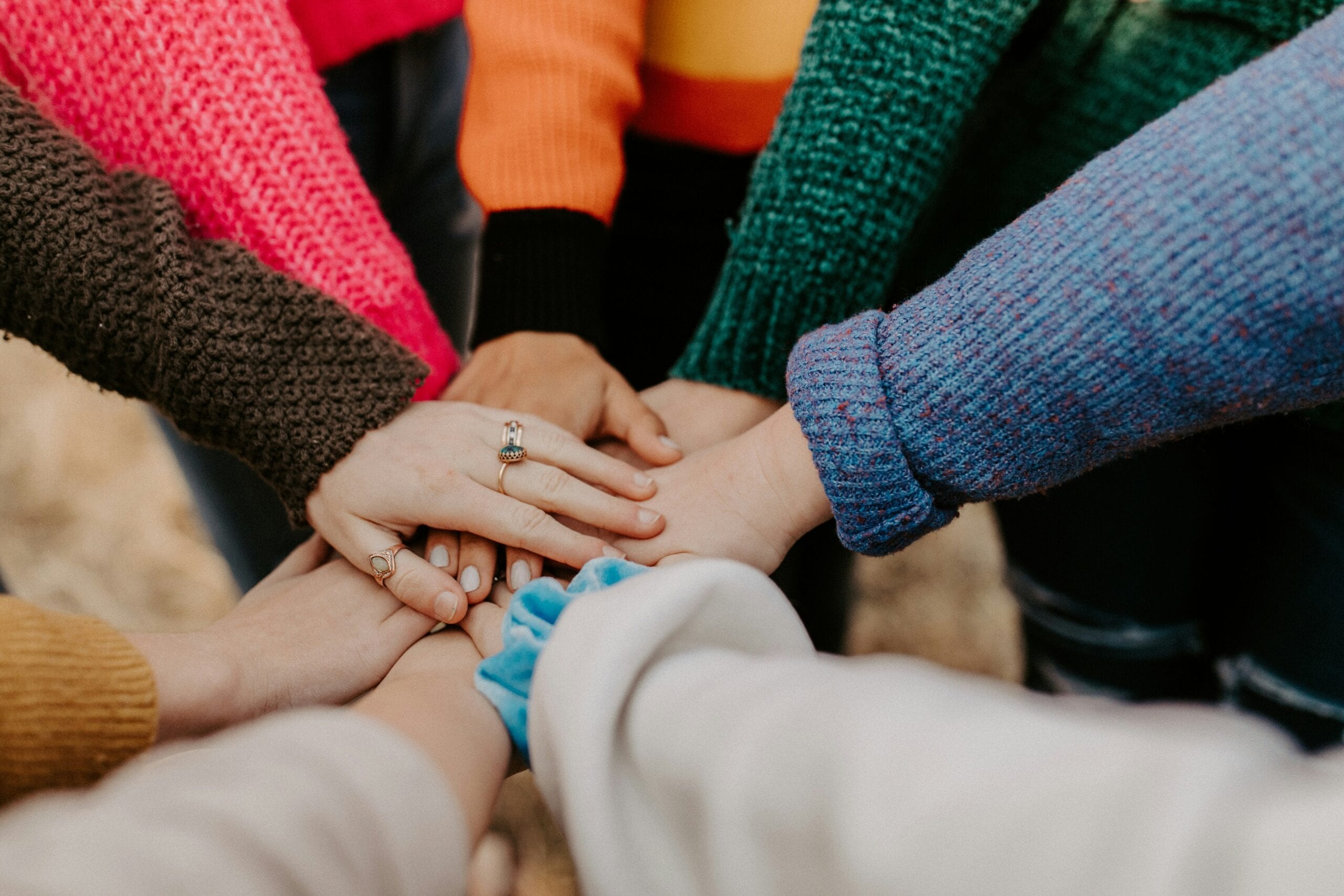
You’ve probably heard it before: humans are social creatures. It’s a cliché, yes, but like many clichés, it holds a profound truth. Your well-being, your inner peace, and your overall sense of joy are deeply interwoven with the connections you forge and the communities you inhabit. You might chase professional success, material possessions, or perfect health, believing these to be the keys to happiness, yet you’ll often find a lingering emptiness if you neglect the fundamental human need for belonging. This isn't just about fleeting interactions; it's about the deep, meaningful engagement that a strong community offers.
You are, at your core, a being designed for connection. Think about it: from the moment you are born, you are entirely dependent on others for survival. This isn't a weakness; it's a fundamental aspect of your biological and psychological makeup. This need doesn't simply vanish as you grow into an independent adult; it merely evolves.
Evolutionary Roots of Belonging
Consider your ancestors. They didn’t survive by being lone wolves. They thrived in tribes, in groups where mutual support was essential for hunting, gathering, raising offspring, and defending against threats. If you were cast out, your chances of survival plummeted. This primal fear of exclusion, of being alone, is still etched into your DNA. You feel it as a pang of loneliness, a yearning for acceptance. When you feel connected, a sense of security washes over you. When you are ostracized, your body reacts with stress.
Psychological Benefits of Belonging
When you feel like you belong, your brain releases oxytocin, the "love hormone," which promotes trust and bonding. This isn’t just a nice feeling; it has tangible psychological benefits. You experience reduced stress, decreased anxiety, and generally feel more secure in the world. Conversely, prolonged isolation can lead to increased cortisol levels, contributing to chronic stress, depression, and even a weakened immune system. You simply function better when you feel accepted and valued within a group.
The Role of Mirror Neurons
You possess mirror neurons, special brain cells that fire both when you perform an action and when you observe someone else performing that same action. These neurons are crucial for empathy and understanding. When you interact within a community, these neurons are constantly active, allowing you to intuitively grasp the emotions and intentions of others. This shared understanding fosters deeper connections and helps you feel less alone in your experiences.
In exploring the significance of community for individual happiness, it's insightful to consider related perspectives on social connections and well-being. An article that delves deeper into this topic is available at this link, which discusses how fostering relationships within a community can enhance overall life satisfaction and emotional health. Understanding these dynamics can provide valuable insights into why building and maintaining community ties is essential for personal happiness.
Community as a Source of Support and Resilience
Life, as you well know, is full of challenges. There will be times when you stumble, when you feel overwhelmed, or when you face circumstances that seem insurmountable. It is in these moments that the strength of your community truly shines, providing a safety net and a springboard for recovery.
Emotional Support Through Shared Experiences
When you are struggling, knowing that you are not alone can be profoundly comforting. Perhaps you’re going through a divorce, facing a serious illness, or grieving the loss of a loved one. A community offers a space where others who have "been there" can share their wisdom, offer a shoulder to cry on, or simply sit with you in silence, acknowledging your pain. This validation is incredibly powerful; it tells you that your feelings are normal, that you are understood.
Practical Assistance in Times of Need
Community isn’t just about emotional support; it’s also about practical help. Imagine you break your leg and can't drive. Who brings you groceries? Who takes your kids to school? Or perhaps your business is struggling, and a fellow entrepreneur in your network offers advice or even a referral. These are the tangible ways in which your community acts as a living, breathing support system, alleviating burdens that would otherwise fall solely on your shoulders.
Building Resilience Against Adversity
When you are part of a strong community, you become more resilient. You learn from the challenges others have faced and overcome. You witness their strength, and it inspires you to find your own. The collective wisdom and experiences of your community provide a rich tapestry of coping mechanisms and problem-solving strategies. When you know you have people in your corner, you are much more likely to face adversity with courage and optimism, rather than sinking into despair.
Fostering a Sense of Purpose and Meaning

You are not merely a collection of biological processes; you are a being that seeks meaning and purpose in life. While individual pursuits can certainly contribute to this, a community often provides a larger framework within which to define your purpose and experience profound meaning.
Contributing to Something Larger Than Yourself
When you engage with a community, you are often asked to contribute your skills, your time, or your unique perspective to a shared goal. Whether it's volunteering at a local charity, participating in a neighborhood clean-up, or collaborating on a creative project, your actions have an impact beyond your individual self. This act of giving fills you with a sense of purpose, a feeling that your existence matters and that you are making a positive difference in the world.
Shared Values and Collective Goals
Communities are often built around shared values, interests, or belief systems. When you align yourself with a group that resonates with your core principles, you feel a deep sense of belonging and validation. Working towards collective goals – whether it's advocating for a cause, preserving a local park, or simply celebrating a shared passion – reinforces these values and creates a powerful sense of unity. This shared journey toward a common objective imbues your life with greater meaning.
Mentorship and Growth Opportunities
Within a thriving community, you will often find individuals who are further along on their journey, possessing wisdom and experience that can benefit you. Mentorship opportunities, whether formal or informal, allow you to learn, grow, and develop new skills. Conversely, you too will have the opportunity to mentor others, passing on your knowledge and contributing to the growth of those who come after you. This cycle of learning and teaching is inherently purposeful and deeply satisfying.
Enhancing Personal Growth and Identity

Your identity is not a static concept; it is constantly evolving and being shaped by your experiences and interactions. Your community plays a pivotal role in this process, providing both a mirror and a catalyst for your personal growth.
Self-Discovery Through Diverse Perspectives
When you interact with people from different backgrounds, with varying opinions and life experiences, your own perspectives are challenged and broadened. This exposure to diversity can lead to profound self-discovery. You might realize hidden biases, uncover new passions, or gain a deeper understanding of your own values by contrasting them with those of others. This intellectual and emotional expansion is a cornerstone of personal growth.
Validation and Affirmation of Identity
While challenging your perspectives is important, so too is having your identity affirmed. When you are part of a community that accepts you for who you are – your quirks, your strengths, your weaknesses – you feel a sense of psychological safety. This acceptance allows you to be more authentic, to express yourself freely, and to explore different facets of your personality without fear of judgment. This validation is crucial for building self-esteem and a strong sense of self.
Learning Social Skills and Empathy
Interacting within a community is a constant masterclass in social skills. You learn to listen actively, to communicate effectively, to compromise, and to navigate conflict constructively. You develop empathy by walking in others' shoes, understanding their struggles, and celebrating their triumphs. These are not merely superficial skills; they are fundamental to your ability to form meaningful relationships in all aspects of your life. The more you practice them within your community, the more adept you become.
Community plays a vital role in enhancing our happiness and overall well-being, as it fosters connections and support among individuals. Engaging with others not only provides a sense of belonging but also encourages personal growth and resilience. For those interested in exploring how nurturing relationships can contribute to a balanced lifestyle, a related article discusses essential beauty products that promote self-care and confidence, which can further enhance one's social interactions. You can read more about it in this insightful article.
The Ripple Effect: Beyond Individual Happiness
| Reasons | Impact on Happiness |
|---|---|
| Support and Belonging | Feeling connected and valued |
| Shared Experiences | Building empathy and understanding |
| Opportunities for Growth | Learning and personal development |
| Emotional Well-being | Reducing feelings of loneliness and isolation |
You might be thinking primarily about your own happiness, and that’s perfectly natural. However, the benefits of community extend far beyond individual well-being, creating a positive ripple effect that can transform entire societies.
Creation of Social Capital
When you and your neighbors know each other, trust each other, and are willing to help one another, you are building social capital. This intangible asset is incredibly valuable. It leads to safer neighborhoods, more engaged citizens, and a stronger collective ability to address local challenges. A high level of social capital translates into a community that is more resilient, more innovative, and ultimately, a more pleasant place for everyone to live.
Promoting Healthier Lifestyles
Research consistently shows that people with strong social connections tend to live longer, healthier lives. This isn't just about emotional support; it's also about practical encouragement. Your community might inspire you to join a walking group, participate in a local sports league, or share healthy recipes. The positive peer pressure and shared motivation can make it easier to adopt and maintain healthy habits, leading to improved physical and mental health for all its members.
Driving Social Change and Innovation
Throughout history, virtually every significant social change or innovation has been born out of a community. Whether it's a grassroots movement advocating for civil rights, a scientific team collaborating on a breakthrough discovery, or artists coming together to create a new cultural form, collective effort amplifies individual talent. When you combine diverse perspectives, skills, and passions within a community, the potential for positive change and groundbreaking innovation is exponential. Your individual voice is important, but your collective voice has the power to move mountains.
You see, your happiness is not an isolated phenomenon. It is deeply intertwined with the quality of your connections and the strength of your community. While you can certainly find moments of joy in solitary pursuits, the most enduring and profound sense of well-being often blossoms in the rich soil of shared experiences, mutual support, and collective purpose. Therefore, make it a priority to nurture your existing communities and actively seek out new ones. Invest your time, your energy, and your authentic self into these vital networks, and you will undoubtedly discover a deeper, richer, and more sustainable form of happiness.
FAQs
What is the importance of community for happiness?
Community is important for happiness because it provides a sense of belonging, support, and connection with others. Being part of a community can reduce feelings of loneliness and isolation, and can contribute to overall well-being and happiness.
How does community contribute to mental and emotional well-being?
Being part of a community can provide opportunities for social interaction, which can help reduce stress, anxiety, and depression. It can also offer a support system for individuals during challenging times, promoting mental and emotional well-being.
What are the benefits of being involved in a community?
Involvement in a community can lead to increased social connections, a sense of purpose, and opportunities for personal growth. It can also provide access to resources, information, and support networks, which can contribute to overall happiness and well-being.
How does community involvement impact overall happiness?
Community involvement can lead to increased feelings of connectedness, fulfillment, and a sense of belonging. This can contribute to higher levels of happiness and life satisfaction, as individuals feel supported and valued within their community.
What are some ways to get involved in a community for happiness?
Getting involved in a community can be achieved through volunteering, joining clubs or organizations, participating in community events, or simply reaching out to neighbors and building relationships. Engaging in activities that align with personal interests and values can also contribute to a sense of happiness and fulfillment within a community.