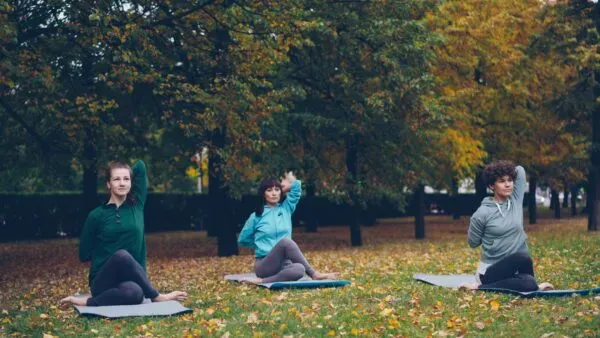
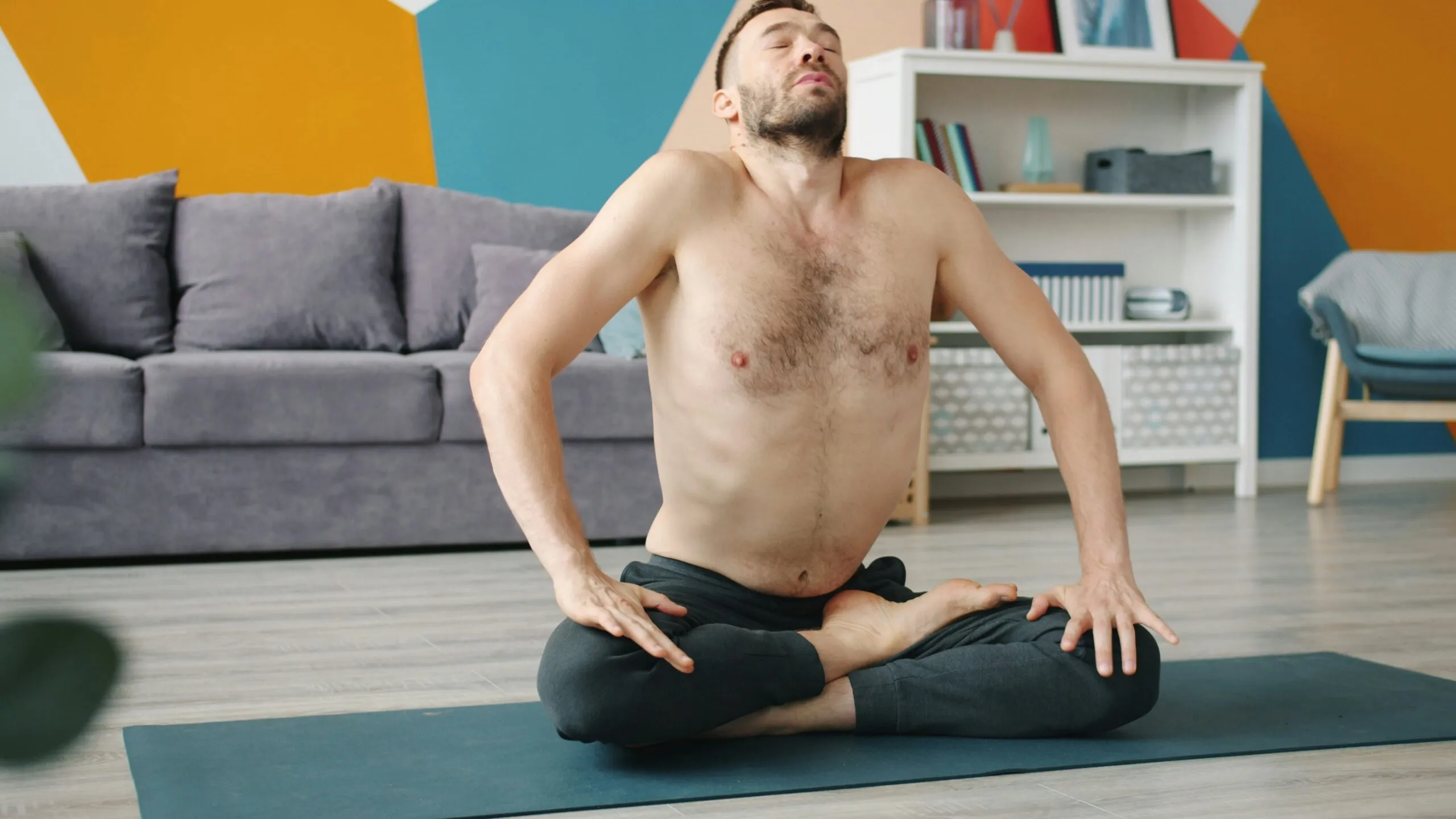
Restorative yoga is a gentle, calming practice designed to promote deep relaxation and healing. As we step onto our mats, we find ourselves enveloped in a serene atmosphere where the focus shifts from the hustle and bustle of daily life to a nurturing space for our bodies and minds. This style of yoga encourages us to slow down, allowing us to fully embrace stillness and surrender.
With the use of props such as blankets, bolsters, and blocks, we can support our bodies in various poses, enabling us to hold them for extended periods without strain. In restorative yoga, the emphasis is on being rather than doing. We cultivate an environment where we can let go of tension and stress, inviting a sense of peace into our lives.
Each pose is carefully chosen to facilitate relaxation, often held for five minutes or longer. This practice is not about achieving a perfect pose; instead, it’s about tuning into our bodies and honoring our individual needs. As we engage in restorative yoga, we create a sanctuary for ourselves, allowing us to reconnect with our inner selves and foster a sense of well-being.
The Benefits of Restorative Yoga
The benefits of restorative yoga are profound and far-reaching. As we immerse ourselves in this practice, we may notice a significant reduction in stress levels. The gentle stretches and supported poses help to release tension stored in our bodies, promoting a sense of calm that can carry over into our daily lives.
This practice encourages us to cultivate mindfulness, allowing us to become more aware of our thoughts and feelings without judgment. In doing so, we create space for self-compassion and acceptance. Moreover, restorative yoga can enhance our overall physical health.
By promoting relaxation, we may experience improved sleep quality, which is essential for our bodies to heal and rejuvenate. The practice also stimulates the parasympathetic nervous system, which helps regulate bodily functions such as digestion and immune response. As we engage in restorative yoga, we may find ourselves feeling more energized and balanced, ready to face the challenges of life with renewed vigor.
How Restorative Yoga Differs from Other Yoga Practices

While many forms of yoga focus on building strength and flexibility through dynamic movements, restorative yoga takes a different approach. It invites us to slow down and embrace stillness, allowing us to explore the depths of relaxation. Unlike more vigorous styles such as vinyasa or power yoga, restorative yoga prioritizes comfort and support.
We often find ourselves nestled in props that cradle our bodies, enabling us to release tension without exerting effort. This distinction is crucial for those of us seeking a reprieve from the fast-paced demands of modern life. In restorative yoga, we are encouraged to listen to our bodies and honor their needs.
This practice is particularly beneficial for individuals recovering from injury or those experiencing chronic stress or fatigue. By providing a safe space for healing, restorative yoga allows us to reconnect with ourselves on a deeper level, fostering a sense of inner peace that may be elusive in more active practices.
The Importance of Relaxation in Healing
Relaxation plays a vital role in the healing process, both physically and emotionally. When we allow ourselves to relax deeply, we create an environment conducive to healing. Stress can manifest in various ways within our bodies, leading to tension, pain, and even illness.
By engaging in restorative yoga, we actively counteract these effects by promoting relaxation and reducing stress hormones like cortisol. As we settle into restorative poses, we may notice that our breath becomes slower and more rhythmic. This natural response signals to our bodies that it’s time to let go of tension and embrace healing.
In this state of relaxation, our bodies can focus on repairing themselves, enhancing circulation, and boosting immune function. By prioritizing relaxation through restorative yoga, we empower ourselves to heal holistically—mind, body, and spirit.
The Role of Breathwork in Restorative Yoga
Breathwork is an integral component of restorative yoga that enhances our experience on the mat. As we settle into each pose, we are encouraged to connect with our breath—taking slow, deliberate inhales and exhales that promote relaxation. This conscious breathing helps us anchor our awareness in the present moment, allowing us to release distractions and fully immerse ourselves in the practice.
Through breathwork, we can tap into the calming effects of the parasympathetic nervous system. As we breathe deeply, we signal to our bodies that it’s safe to relax and let go. This connection between breath and movement fosters a sense of harmony within us, creating a powerful tool for managing stress and anxiety.
By incorporating breathwork into our restorative yoga practice, we cultivate a deeper understanding of ourselves and enhance our ability to navigate life’s challenges with grace.
How Restorative Yoga Can Help with Stress and Anxiety

In today’s fast-paced world, stress and anxiety have become all too common companions for many of us. Restorative yoga offers a sanctuary where we can escape the chaos and find solace within ourselves. As we engage in this gentle practice, we may discover that it provides an effective antidote to the pressures of daily life.
The slow-paced nature of restorative yoga allows us to unwind both physically and mentally, creating space for clarity and calm. As we settle into supported poses, we may notice that our racing thoughts begin to quiet down. The emphasis on relaxation encourages us to release pent-up emotions and tension that may have been weighing us down.
By fostering a sense of safety and comfort on the mat, restorative yoga empowers us to confront our stressors with renewed perspective. Over time, this practice can help us develop healthier coping mechanisms for managing anxiety, allowing us to navigate life’s ups and downs with greater ease.
The Physical and Mental Healing Effects of Restorative Yoga
The healing effects of restorative yoga extend beyond mere relaxation; they encompass both physical and mental well-being. Physically, this practice promotes flexibility and range of motion by gently stretching tight muscles and connective tissues. As we hold poses for extended periods, we may notice increased blood flow to areas that have been stagnant or tense.
This enhanced circulation can aid in recovery from injuries and alleviate chronic pain. Mentally, restorative yoga provides a refuge from the noise of everyday life. It encourages us to cultivate mindfulness—a state of awareness that allows us to observe our thoughts without becoming entangled in them.
This practice fosters emotional resilience by helping us develop a greater understanding of ourselves and our responses to stressors. As we engage in restorative yoga regularly, we may find that it enhances our overall mental clarity and emotional stability.
Incorporating Restorative Yoga into Your Wellness Routine
Integrating restorative yoga into our wellness routine can be a transformative experience that enriches our lives in countless ways. To begin this journey, we might consider setting aside dedicated time each week for our practice—creating a sacred space where we can unwind without distractions. Whether it’s a cozy corner in our home or a quiet studio nearby, having a designated area can enhance our commitment to self-care.
As we explore restorative yoga further, we may also want to experiment with different props and poses that resonate with us personally. Each session can be tailored to meet our unique needs—whether it’s focusing on specific areas of tension or simply allowing ourselves to be present in the moment. By embracing this gentle practice as part of our wellness routine, we empower ourselves to cultivate balance and harmony in both body and mind.
In conclusion, restorative yoga offers us a pathway toward healing that honors the importance of relaxation and self-care. By engaging in this gentle practice regularly, we can experience profound benefits that extend beyond the mat—enhancing our overall well-being and equipping us with tools to navigate life’s challenges with grace and resilience. Let’s embrace the journey together as we explore the transformative power of restorative yoga in our lives.
If you're interested in exploring the benefits of restorative yoga further, you might find the article on the latest fashion trends, particularly the brown winter coat as the new style staple, to be an intriguing read. Just as restorative yoga emphasizes comfort and self-care, this article highlights how embracing cozy and stylish clothing can enhance your overall well-being during the colder months.
FAQs
What is restorative yoga?
Restorative yoga is a gentle, slow-paced style of yoga that focuses on relaxation and healing. It uses props like bolsters, blankets, and blocks to support the body in various poses, allowing for deep rest and stress relief.
How does restorative yoga differ from other types of yoga?
Unlike more vigorous yoga styles, restorative yoga emphasizes holding poses for extended periods with full support, promoting relaxation rather than physical exertion. It is designed to calm the nervous system and aid in recovery.
What are the benefits of practicing restorative yoga?
Restorative yoga can reduce stress, lower anxiety, improve sleep quality, relieve chronic pain, enhance flexibility, and support overall mental and physical healing.
Who can practice restorative yoga?
Restorative yoga is suitable for people of all ages and fitness levels, including those recovering from injury, dealing with chronic illness, or seeking a gentle practice to reduce stress.
How often should I practice restorative yoga to see benefits?
Practicing restorative yoga regularly, such as 2-3 times per week, can help maximize its healing benefits. Even occasional sessions can promote relaxation and stress relief.
Do I need any special equipment for restorative yoga?
While not mandatory, props like yoga bolsters, blankets, blocks, and straps are commonly used to support the body and enhance comfort during poses.
Can restorative yoga help with mental health issues?
Yes, restorative yoga has been shown to reduce symptoms of anxiety and depression by activating the parasympathetic nervous system and promoting relaxation.
Is restorative yoga safe for people with injuries or chronic conditions?
Generally, restorative yoga is safe and beneficial for those with injuries or chronic conditions, but it is advisable to consult a healthcare provider or experienced instructor to tailor the practice to individual needs.
How long are typical restorative yoga sessions?
Sessions usually last between 30 to 60 minutes, with poses held for several minutes to encourage deep relaxation.
Can restorative yoga be combined with other forms of exercise?
Yes, restorative yoga complements other physical activities by aiding recovery, reducing muscle tension, and improving overall well-being.