As we delve into the origins of Yin Yoga, we find ourselves tracing back to ancient Chinese philosophies and practices. This unique form of yoga emerged in the late 20th century, primarily popularized by teachers like Paul Grilley and Sarah Powers. They drew inspiration from traditional Chinese medicine, Taoist philosophy, and the concept of meridians—energy pathways in the body.
By integrating these elements, Yin Yoga offers a profound way to explore the body’s connective tissues, such as ligaments and fascia, through long-held postures. In understanding its roots, we also recognize that Yin Yoga is not merely a physical practice; it embodies a holistic approach to well-being. The practice encourages us to slow down and turn inward, contrasting with the more dynamic styles of yoga that focus on muscle engagement and strength.
By embracing this slower pace, we can cultivate a deeper awareness of our bodies and minds, allowing us to connect with our inner selves in a way that is often overlooked in our fast-paced lives.
The Physical Benefits of Yin Yoga: How It Nurtures the Body
When we engage in Yin Yoga, we discover a treasure trove of physical benefits that nurture our bodies in profound ways. One of the most significant advantages is the increased flexibility we experience over time. By holding poses for extended periods—typically three to five minutes—we allow our muscles to relax and our connective tissues to stretch.
This gentle approach helps to release tension and improve our overall range of motion, making everyday activities feel more effortless. Moreover, Yin Yoga promotes joint health by encouraging the flow of synovial fluid, which lubricates our joints. As we settle into each pose, we create space within our bodies, allowing for better circulation and reducing the risk of injury.
This practice also aids in the recovery process for athletes or anyone engaged in physical activities, as it helps to alleviate soreness and tightness. By incorporating Yin Yoga into our routines, we not only enhance our physical well-being but also cultivate a deeper appreciation for our bodies and their capabilities.
The Mental and Emotional Benefits of Yin Yoga: Cultivating Inner Peace

As we immerse ourselves in the practice of Yin Yoga, we begin to notice its profound impact on our mental and emotional states. The stillness that accompanies each pose allows us to quiet the mind and cultivate a sense of inner peace. In a world filled with distractions and constant stimulation, this practice offers us a sanctuary where we can reconnect with ourselves.
Through the gentle exploration of our thoughts and feelings during each session, we learn to observe without judgment. This non-reactive awareness fosters emotional resilience, enabling us to navigate life’s challenges with greater ease. As we hold poses and breathe deeply, we create space for self-reflection and acceptance, allowing us to release pent-up emotions and stress.
In this way, Yin Yoga becomes a powerful tool for emotional healing, helping us cultivate a sense of balance and harmony within ourselves.
The Spiritual Aspect of Yin Yoga: Connecting with the Soul
Yin Yoga invites us to explore not only our physical and emotional selves but also our spiritual essence. As we settle into each pose, we create an opportunity for introspection and connection with our inner selves. This practice encourages us to tap into a deeper sense of purpose and meaning in our lives.
In the stillness of Yin Yoga, we can reflect on our values, beliefs, and aspirations. This connection to our spiritual selves can be transformative, guiding us toward a more authentic existence. By embracing this aspect of the practice, we cultivate a sense of unity with ourselves and the world around us.
We begin to understand that our journey is not just about physical flexibility but also about nurturing our souls and fostering a deeper connection with the universe.
Yin Yoga and Mindfulness: Embracing the Present Moment
Mindfulness is at the heart of Yin Yoga, as it encourages us to embrace the present moment fully. When we step onto our mats, we are invited to let go of past regrets and future anxieties, focusing instead on the sensations within our bodies. This practice teaches us to be fully present with ourselves, cultivating an awareness that extends beyond our yoga sessions into our daily lives.
As we hold each pose, we learn to observe our thoughts without attachment or judgment. This mindful approach allows us to develop a greater understanding of ourselves and how we respond to various situations. By practicing mindfulness through Yin Yoga, we can carry this awareness into our interactions with others, fostering deeper connections and enhancing our overall quality of life.
The Role of Breath in Yin Yoga: Finding Calmness and Clarity

Breath is an integral component of Yin Yoga, serving as a bridge between our bodies and minds. As we settle into each pose, we are reminded to focus on our breath—slow, deep inhalations followed by gentle exhalations. This conscious breathing not only helps us relax but also enhances our ability to connect with the present moment.
By synchronizing our breath with our movements, we create a rhythm that fosters calmness and clarity. This practice encourages us to release tension and stress while inviting a sense of tranquility into our lives. As we deepen our breath, we activate the parasympathetic nervous system, promoting relaxation and reducing anxiety.
In this way, breath becomes a powerful tool for cultivating inner peace and clarity as we navigate life’s challenges.
Creating Sacred Space for Yin Yoga: Setting the Stage for Stillness
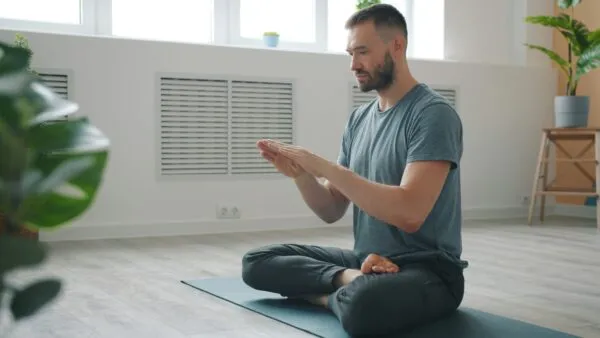
To fully embrace the benefits of Yin Yoga, it is essential for us to create a sacred space that invites stillness and reflection. This space can be as simple as a corner in our home adorned with soft lighting, calming scents, or meaningful objects that resonate with us. By intentionally setting up this environment, we signal to ourselves that it is time to slow down and connect with our practice.
In this sacred space, we can cultivate an atmosphere that encourages mindfulness and introspection. Whether it’s through soft music or silence, essential oils or candles, these elements help us transition from the busyness of daily life into a state of calmness. By honoring this space as a sanctuary for our practice, we deepen our connection to ourselves and enhance the overall experience of Yin Yoga.
Incorporating Yin Yoga into Your Daily Routine: Cultivating a Lifelong Practice
As we reflect on the myriad benefits of Yin Yoga, it becomes clear that incorporating this practice into our daily routines can lead to lasting transformation. Whether it’s dedicating just ten minutes each day or committing to longer sessions several times a week, consistency is key in reaping the rewards of Yin Yoga. To make this practice sustainable, we can start by setting realistic goals that align with our lifestyles.
Perhaps we choose specific times during the week when we can carve out moments for ourselves—mornings before the day begins or evenings as a way to unwind. By prioritizing these moments of stillness, we cultivate a lifelong practice that nurtures not only our bodies but also our minds and spirits. In conclusion, as we explore the depths of Yin Yoga together, we uncover its rich origins, physical benefits, mental clarity, emotional healing, spiritual connection, mindfulness practices, breath awareness, sacred spaces, and integration into daily life.
Each aspect invites us to embark on a journey toward greater self-awareness and holistic well-being. By embracing this practice wholeheartedly, we can transform not only ourselves but also how we engage with the world around us.
In exploring the profound benefits of Yin Yoga and its ability to cultivate inner stillness, you may also find interest in the article on how coffee shapes your daily routine. This piece delves into the impact of caffeine on mindfulness and productivity, offering insights that complement the tranquil practices of Yin Yoga. For more information, check out the article here.
FAQs
What is Yin Yoga?
Yin Yoga is a slow-paced style of yoga that involves holding poses for extended periods, typically between 3 to 5 minutes or longer. It targets the deep connective tissues, such as ligaments, joints, and fascia, promoting flexibility and joint mobility.
How does Yin Yoga differ from other types of yoga?
Unlike more dynamic yoga styles like Vinyasa or Ashtanga, which focus on muscle engagement and movement, Yin Yoga emphasizes stillness and passive stretching. It encourages relaxation and mindfulness by holding poses quietly and deeply.
Why is Yin Yoga considered beneficial for mental stillness?
Yin Yoga promotes mental stillness by encouraging practitioners to slow down, focus on their breath, and observe sensations without judgment. This meditative aspect helps calm the nervous system and reduce stress, creating a sense of inner peace.
What physical benefits does Yin Yoga offer?
Physically, Yin Yoga improves flexibility, increases circulation in the joints, and enhances the flow of energy (Qi) through the body. It also helps release tension stored in connective tissues, which can improve overall mobility and reduce pain.
Is Yin Yoga suitable for beginners?
Yes, Yin Yoga is generally accessible to beginners because it involves gentle, passive poses held for longer durations. However, it is important to listen to your body and avoid pushing into pain. Using props like bolsters and blocks can help make poses more comfortable.
How often should one practice Yin Yoga to experience its benefits?
Practicing Yin Yoga 2 to 3 times per week can provide noticeable benefits in flexibility, relaxation, and mental clarity. Consistency is key to experiencing the deep stillness and balance Yin Yoga offers.
Can Yin Yoga help with stress and anxiety?
Yes, Yin Yoga’s slow, mindful approach helps activate the parasympathetic nervous system, which promotes relaxation and reduces stress and anxiety levels. The meditative nature of the practice supports emotional balance.
Do I need any special equipment to practice Yin Yoga?
Basic equipment such as a yoga mat, and optionally props like cushions, blocks, or blankets, can enhance comfort during long holds. These props help support the body and make poses more accessible.
Is Yin Yoga appropriate for people with injuries or chronic conditions?
Yin Yoga can be adapted for people with injuries or chronic conditions, but it is important to consult with a healthcare provider or experienced yoga instructor. Modifications and careful attention to body signals are essential to avoid aggravating any issues.
What does it mean that Yin Yoga creates "stillness for the soul"?
The phrase refers to the deep sense of calm and inner peace that Yin Yoga fosters. By slowing down and turning inward, practitioners can connect with their inner selves, quiet the mind, and experience a soulful stillness that supports emotional and spiritual well-being.