
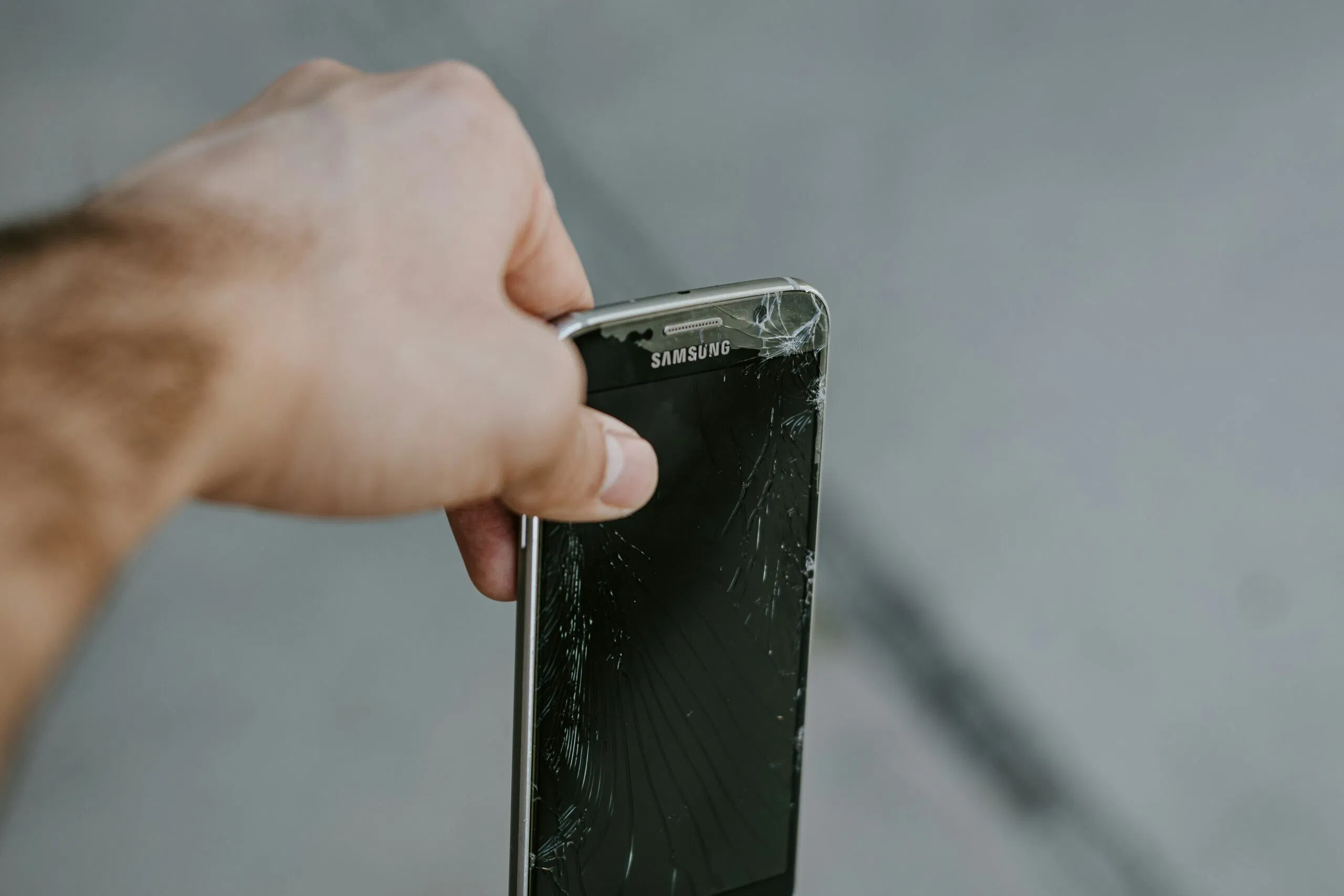
As we navigate our modern lives, we find ourselves increasingly surrounded by screens that emit blue light. This type of light, which is prevalent in smartphones, tablets, and computers, has been shown to have a significant impact on our sleep patterns. Blue light exposure, particularly in the evening, can disrupt our circadian rhythms—the internal clock that regulates our sleep-wake cycles.
When we engage with our devices late at night, we inadvertently signal to our brains that it is still daytime, making it more challenging to wind down and prepare for sleep. Research indicates that blue light can suppress the production of melatonin, the hormone responsible for regulating sleep. When we delay our bedtime by scrolling through social media or watching videos, we may find ourselves tossing and turning, unable to fall asleep.
This disruption can lead to a cascade of negative effects on our overall health, including increased stress levels and diminished cognitive function. As we become more aware of the consequences of blue light exposure, it becomes clear that understanding its impact on our sleep is crucial for maintaining our well-being.
The Connection Between Screen Time and Insomnia
In our quest for information and entertainment, we often overlook the connection between excessive screen time and insomnia. Many of us have experienced those restless nights where we simply cannot seem to drift off, and research suggests that our screens may be to blame. The blue light emitted by our devices not only keeps us awake but also contributes to a cycle of anxiety and restlessness.
As we scroll through news feeds or engage in stimulating activities online, our minds remain active, making it difficult to transition into a restful state. Moreover, the content we consume can also play a role in our ability to sleep soundly. Engaging with intense or distressing material can heighten our stress levels, leading to racing thoughts that keep us awake long after we’ve put our devices down.
This connection between screen time and insomnia is particularly concerning as it affects not only our sleep quality but also our overall mental health. By recognizing this link, we can take proactive steps to mitigate the effects of screen time on our sleep.
The Effect of Phone Use on Melatonin Production

As we delve deeper into the relationship between phone use and sleep, it becomes evident that our devices have a direct effect on melatonin production. Melatonin is a hormone that plays a vital role in regulating our sleep-wake cycles, and its production is closely tied to light exposure. When we use our phones in the evening, the blue light emitted can inhibit melatonin secretion, delaying the onset of sleep and disrupting our natural rhythms.
This disruption can lead to a range of sleep-related issues, including difficulty falling asleep and maintaining a deep sleep throughout the night. As melatonin levels drop due to late-night phone use, we may find ourselves waking up more frequently or experiencing lighter sleep stages. Understanding this connection empowers us to make informed choices about our phone usage in the hours leading up to bedtime.
By prioritizing melatonin production through reduced screen time, we can enhance our overall sleep quality.
How Phone Use Before Bed Affects Your Brain Activity
When we engage with our phones before bed, we are not just affecting our sleep; we are also influencing our brain activity. The stimulation from screens can lead to heightened alertness and cognitive engagement, making it difficult for us to unwind. Our brains are wired to respond to stimuli, and when we expose ourselves to the fast-paced nature of digital content, we may find it challenging to transition into a state of relaxation.
Studies have shown that using phones before bed can lead to increased brain activity associated with alertness and arousal. This heightened state can interfere with the natural processes that prepare us for sleep, such as the gradual winding down of brain activity. As a result, we may experience difficulty falling asleep or encounter fragmented sleep patterns throughout the night.
Recognizing how phone use impacts our brain activity allows us to take steps toward creating a more conducive environment for restful sleep.
The Relationship Between Phone Use and Poor Sleep Quality
The relationship between phone use and poor sleep quality is becoming increasingly evident as more studies highlight the negative effects of excessive screen time on our rest. Many of us have experienced nights where we feel tired upon waking, despite spending enough hours in bed. This phenomenon can often be traced back to our phone habits.
The constant notifications, bright screens, and engaging content can lead to fragmented sleep and an overall decline in sleep quality. Furthermore, poor sleep quality can have far-reaching consequences on our physical and mental health. It can affect our mood, cognitive function, and even our immune system.
As we continue to rely on our phones for communication and entertainment, it is essential to recognize how these habits may be undermining our health. By understanding this relationship, we can take proactive measures to improve our sleep quality by reducing phone use before bedtime.
The Importance of Establishing a Phone-Free Bedtime Routine

In light of the negative effects of phone use on sleep quality, establishing a phone-free bedtime routine becomes paramount for many of us seeking better rest. Creating a calming pre-sleep ritual allows us to signal to our bodies that it is time to wind down and prepare for rest. This routine could include activities such as reading a book, practicing mindfulness or meditation, or engaging in gentle stretches—activities that promote relaxation without the interference of screens.
By committing to a phone-free bedtime routine, we not only improve our chances of falling asleep more easily but also enhance the overall quality of our sleep. This intentional separation from technology allows us to create a peaceful environment conducive to rest. As we prioritize this routine, we may find ourselves feeling more refreshed and rejuvenated upon waking, ready to tackle the day ahead.
Tips for Breaking Up With Your Phone Before Bed
Breaking up with our phones before bed may seem daunting at first, but there are several practical tips that can help ease this transition. One effective strategy is setting a specific time each evening when we will put away our devices—perhaps an hour before bedtime. By establishing this boundary, we create a clear distinction between daytime activities and nighttime relaxation.
Another helpful tip is to designate a charging station outside the bedroom. By keeping our phones out of reach while we sleep, we reduce the temptation to check notifications or scroll through social media late at night. Additionally, replacing phone time with alternative activities—such as journaling or listening to calming music—can help fill the void left by reduced screen time.
These small changes can lead to significant improvements in our overall sleep experience.
The Benefits of Disconnecting from Your Phone Before Bed
The benefits of disconnecting from our phones before bed extend far beyond improved sleep quality; they encompass various aspects of our well-being. By reducing screen time in the evening, we allow ourselves the opportunity to engage in more meaningful activities that promote relaxation and connection with ourselves or loved ones. This shift can lead to enhanced emotional well-being as we cultivate mindfulness and presence in our lives.
Moreover, disconnecting from technology before bed can foster better relationships with those around us. By prioritizing face-to-face interactions or quiet moments with family members instead of scrolling through screens, we strengthen our connections and create a more supportive environment for restful sleep. Ultimately, embracing a phone-free bedtime routine not only enhances our sleep but also enriches our overall quality of life.
In conclusion, as we reflect on the impact of blue light on sleep and the connection between screen time and insomnia, it becomes clear that taking proactive steps toward reducing phone use before bed is essential for improving our well-being. By understanding how phone use affects melatonin production and brain activity, we empower ourselves to make informed choices about technology usage in the evening hours. Establishing a phone-free bedtime routine and implementing practical tips for reducing screen time can lead to significant benefits for both our sleep quality and overall health.
As we embrace these changes, we open ourselves up to a more restful night’s sleep and a brighter day ahead.
If you're considering the benefits of disconnecting from your phone before bedtime, you might also find it helpful to explore the article on the importance of self-care routines, which can significantly enhance your sleep quality. Check out this insightful piece on beauty and wellness at Beauty and Self-Care for tips on how to create a calming nighttime ritual that complements your decision to break up with your phone.
FAQs
Why is it important to stop using your phone before bed?
Using your phone before bed can interfere with your sleep quality. The blue light emitted by screens suppresses melatonin production, a hormone that regulates sleep, making it harder to fall asleep and reducing overall restfulness.
How does phone usage before bedtime affect sleep patterns?
Phone usage before bedtime can delay the onset of sleep, reduce REM sleep, and cause more frequent awakenings during the night. This disruption can lead to feeling tired and less alert the next day.
What are the benefits of breaking up with your phone before bed?
Avoiding phone use before bed can improve sleep quality, help you fall asleep faster, reduce eye strain, and promote better mental health by decreasing exposure to stimulating content and notifications.
How long before bed should I stop using my phone?
Experts generally recommend stopping phone use at least 30 minutes to an hour before bedtime to allow your brain to wind down and melatonin levels to rise naturally.
Are there any alternatives to using a phone before sleep?
Yes, alternatives include reading a physical book, practicing relaxation techniques like meditation or deep breathing, listening to calming music or audiobooks, and journaling.
Can using night mode or blue light filters on phones help?
While night mode or blue light filters reduce blue light exposure, they do not eliminate it entirely. Limiting overall screen time before bed is more effective for improving sleep quality.
Does phone use before bed affect mental health?
Excessive phone use before bed can increase stress and anxiety levels due to exposure to social media, news, or work-related content, which can negatively impact mental health and sleep.
What are some tips to reduce phone use before bedtime?
Tips include setting a specific "phone curfew," using apps that limit screen time, charging your phone outside the bedroom, and creating a relaxing bedtime routine without electronic devices.