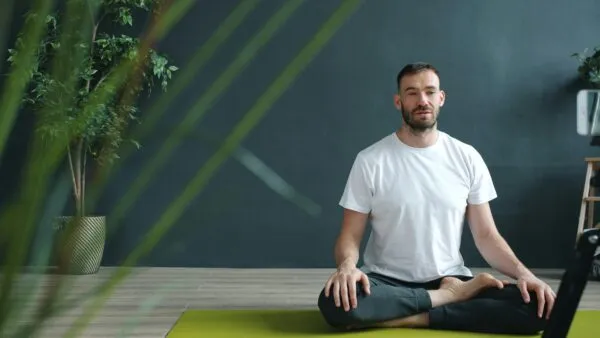

In a world that often feels chaotic and overwhelming, the concept of peace can seem like a distant dream. Yet, understanding the importance of peace is crucial for our mental, emotional, and even physical well-being. Peace is not merely the absence of conflict; it is a state of tranquility that allows us to thrive.
When we cultivate peace within ourselves, we create a foundation for clarity, creativity, and connection. It’s in this serene space that we can truly hear our own thoughts and feelings, enabling us to make decisions that align with our values and aspirations. Moreover, peace serves as a protective barrier against the storms of life.
When we are at peace, we are better equipped to handle challenges and setbacks. We can approach problems with a clear mind and a calm heart, rather than reacting impulsively out of fear or anxiety. This inner calmness not only benefits us but also radiates outward, positively influencing our relationships and interactions with others.
In essence, peace is not just a personal pursuit; it is a gift we give to the world around us.
Recognizing the Impact of Stress and Anxiety
Stress and anxiety are pervasive forces in our modern lives, often lurking just beneath the surface. They can manifest in various ways—racing thoughts, physical tension, or even chronic fatigue. Recognizing their impact is the first step toward reclaiming our peace.
Stress can cloud our judgment and lead to feelings of overwhelm, making it difficult to focus on what truly matters. It can create a cycle of negativity that drains our energy and enthusiasm for life. Anxiety, on the other hand, often whispers lies that keep us trapped in a state of fear.
It can convince us that we are not enough or that we are constantly in danger. This mental chatter can be exhausting and paralyzing, preventing us from taking action or pursuing our dreams. By acknowledging the presence of stress and anxiety in our lives, we empower ourselves to take proactive steps toward healing.
It’s essential to understand that these feelings are not permanent; they are signals that something needs to change.
Identifying the Factors that Threaten Your Peace

To protect our peace, we must first identify the factors that threaten it. These threats can come from various sources—external pressures, toxic relationships, or even our own negative self-talk. External pressures might include demanding work environments or societal expectations that leave us feeling inadequate.
Recognizing these influences allows us to set boundaries and prioritize what truly matters in our lives. Toxic relationships can also be significant disruptors of peace. Whether it’s a friend who constantly drains your energy or a colleague who thrives on drama, these connections can create an environment of stress and anxiety.
It’s essential to evaluate the people we surround ourselves with and consider whether they uplift or undermine our sense of peace. Additionally, we must confront our internal dialogue. The way we speak to ourselves can either nurture our peace or erode it.
By identifying these factors, we take the first step toward creating a more peaceful existence.
Implementing Strategies to Protect Your Peace
Once we’ve identified the threats to our peace, it’s time to implement strategies to protect it. One effective approach is to establish clear boundaries in both personal and professional settings. This might mean saying no to commitments that drain your energy or limiting time spent with individuals who bring negativity into your life.
Boundaries are not walls; they are protective measures that allow us to maintain our peace while still engaging with the world around us. Another powerful strategy is to cultivate mindfulness practices. Mindfulness encourages us to stay present in the moment, reducing anxiety about the future or regrets about the past.
Simple practices like meditation, deep breathing exercises, or even mindful walking can help ground us and restore our sense of calm. By incorporating these practices into our daily routines, we create a sanctuary of peace within ourselves that can withstand external chaos.
Creating a Supportive Environment
Our environment plays a significant role in shaping our mental state. Creating a supportive environment is essential for nurturing peace. This begins with decluttering both our physical spaces and our digital lives.
A tidy space can lead to a clearer mind, while an overload of information from social media or news outlets can contribute to feelings of anxiety. By curating our surroundings—removing distractions and surrounding ourselves with positivity—we create an atmosphere conducive to peace. Additionally, fostering supportive relationships is vital for maintaining peace.
Surrounding ourselves with individuals who uplift and inspire us creates a network of encouragement during challenging times. Engaging in meaningful conversations and sharing experiences with those who understand us can provide comfort and reassurance. When we feel supported by others, we are more resilient in the face of life’s challenges.
Prioritizing Self-Care and Well-Being

Self-care is often misunderstood as a luxury rather than a necessity. However, prioritizing self-care is crucial for maintaining our peace and overall well-being. This involves recognizing our needs—whether physical, emotional, or spiritual—and taking intentional steps to meet them.
Simple acts like getting enough sleep, eating nourishing foods, and engaging in regular physical activity can significantly impact our mental health. Moreover, self-care extends beyond physical health; it encompasses activities that bring joy and fulfillment into our lives. Whether it’s pursuing a hobby, spending time in nature, or simply enjoying quiet moments alone, these practices recharge our spirits and reinforce our sense of peace.
By making self-care a priority, we send a powerful message to ourselves: that we are worthy of love and care.
Seeking Professional Help When Needed
There are times when the weight of stress and anxiety becomes too heavy to bear alone. Seeking professional help is not a sign of weakness; rather, it is an act of courage and self-awareness. Mental health professionals can provide valuable tools and insights that empower us to navigate our challenges more effectively.
Therapy offers a safe space to explore our thoughts and feelings without judgment, allowing us to gain clarity and perspective. Additionally, support groups can be incredibly beneficial for those facing similar struggles. Connecting with others who share similar experiences fosters a sense of community and understanding that can be profoundly healing.
Remember, seeking help is not just about addressing problems; it’s about investing in your well-being and taking proactive steps toward a more peaceful life.
Embracing a Mindset of Resilience and Adaptability
Finally, embracing a mindset of resilience and adaptability is essential for protecting our peace in an ever-changing world. Life will inevitably present challenges—unexpected events, disappointments, or changes beyond our control—but how we respond makes all the difference. Resilience is not about avoiding difficulties; it’s about developing the strength to rise above them.
Cultivating adaptability allows us to navigate life’s twists and turns with grace. Instead of resisting change or clinging to what was, we learn to embrace new possibilities and opportunities for growth. This mindset shift empowers us to view challenges as stepping stones rather than obstacles, fostering a deeper sense of peace within ourselves.
In conclusion, understanding the importance of peace is the first step toward creating a fulfilling life. By recognizing the impact of stress and anxiety, identifying threats to our peace, implementing protective strategies, creating supportive environments, prioritizing self-care, seeking professional help when needed, and embracing resilience, we can cultivate a lasting sense of tranquility amidst life’s chaos. Peace is not just an ideal; it is an achievable reality that begins within each of us.
In exploring the importance of safeguarding your peace, you may find it beneficial to read about the calming effects of natural products, such as in the article on Madame Dry Rose Water. This article discusses how incorporating soothing elements into your daily routine can enhance your overall well-being and contribute to a more peaceful state of mind.
FAQs
What does it mean to protect your peace?
Protecting your peace means maintaining your mental, emotional, and spiritual well-being by setting boundaries, avoiding unnecessary stress, and prioritizing activities and relationships that promote calmness and positivity.
Why is protecting your peace important?
Protecting your peace is important because it helps reduce stress, improve mental health, enhance focus, and foster healthier relationships. It allows you to live a balanced and fulfilling life.
What are common threats to personal peace?
Common threats to personal peace include toxic relationships, excessive stress, negative self-talk, overcommitment, and exposure to conflict or negativity in various environments.
How can setting boundaries help protect your peace?
Setting boundaries helps protect your peace by clearly defining what is acceptable behavior from others, preventing emotional exhaustion, and ensuring that your needs and limits are respected.
Can protecting your peace improve physical health?
Yes, protecting your peace can improve physical health by reducing stress-related symptoms such as high blood pressure, headaches, and fatigue, and by promoting better sleep and overall well-being.
What are some practical ways to protect your peace daily?
Practical ways to protect your peace include practicing mindfulness or meditation, limiting exposure to negative media, engaging in hobbies, spending time in nature, and surrounding yourself with supportive people.
Is protecting your peace selfish?
No, protecting your peace is not selfish. It is a necessary act of self-care that enables you to be more present, compassionate, and effective in your relationships and responsibilities.
How does protecting your peace affect relationships?
Protecting your peace can lead to healthier relationships by reducing conflict, improving communication, and allowing you to engage with others from a place of calm and clarity.
Can professional help assist in protecting your peace?
Yes, professional help such as therapy or counseling can provide strategies and support to manage stress, set boundaries, and develop coping mechanisms to protect your peace effectively.
Is protecting your peace a one-time effort or ongoing process?
Protecting your peace is an ongoing process that requires regular self-reflection, adjustment of boundaries, and consistent self-care practices to maintain mental and emotional balance.