
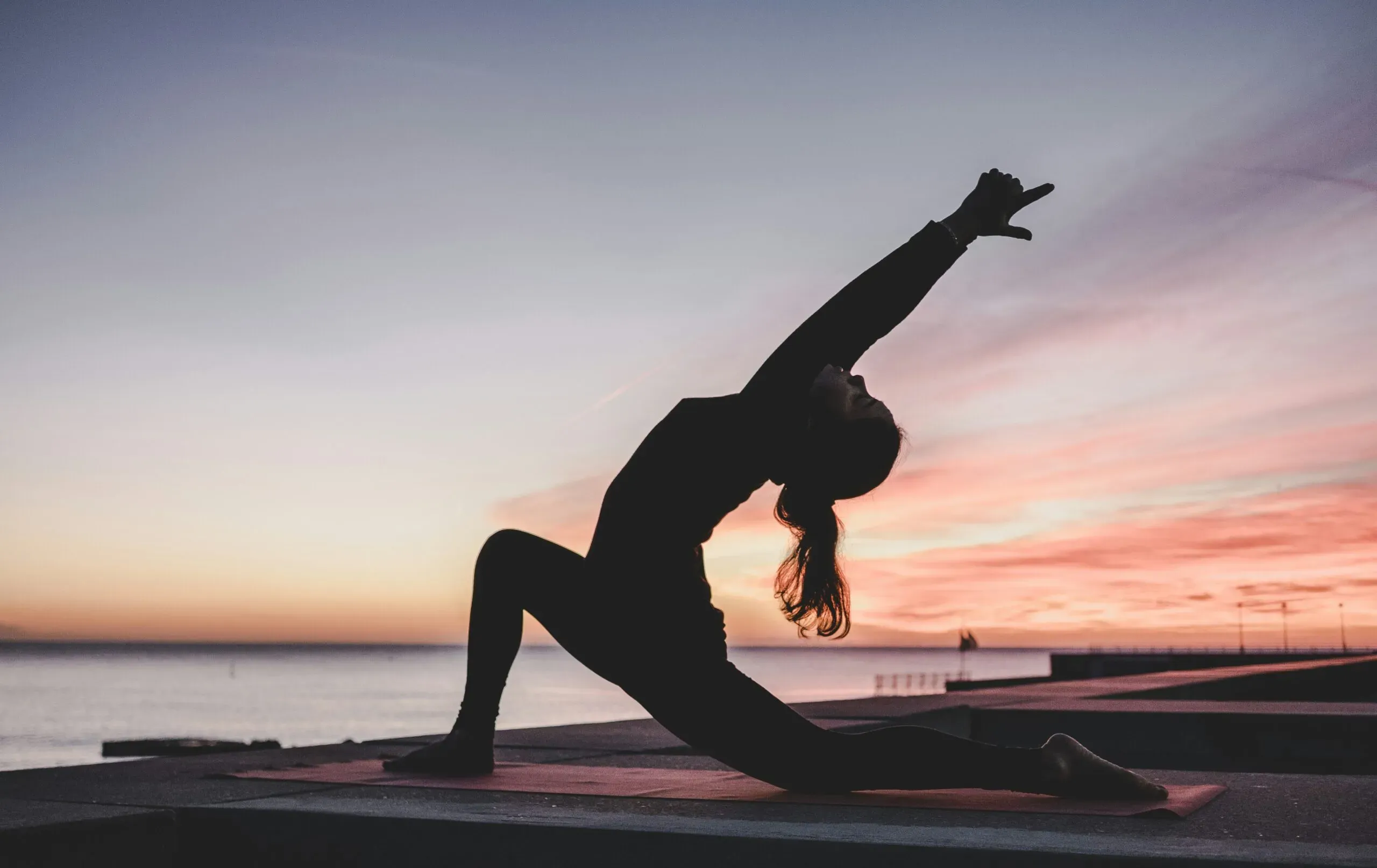
As we delve into the origins of yoga, we find ourselves transported back thousands of years to ancient India, where this profound practice first took root. The earliest references to yoga can be traced to the Vedas, a collection of sacred texts composed around 1500 BCE. These texts laid the groundwork for what would evolve into a comprehensive system of physical, mental, and spiritual practices.
Over time, yoga developed through various philosophical schools, each contributing unique perspectives and techniques. The Upanishads, written around 800-400 BCE, further explored the relationship between the self and the universe, emphasizing meditation and introspection as essential components of yoga. As we explore the evolution of yoga, we cannot overlook the influence of the Yoga Sutras of Patanjali, composed around the second century BCE.
This seminal work codified the principles of yoga into an eight-limbed path, known as Ashtanga. This framework not only encompasses physical postures (asanas) but also ethical guidelines, breath control (pranayama), and meditation practices. The teachings of Patanjali have served as a guiding light for practitioners throughout history, shaping the way we understand and engage with yoga today.
As we reflect on these ancient roots, we recognize that yoga is not merely a physical exercise; it is a holistic approach to living that has transcended time and culture.
Key Takeaways
- Yoga has ancient origins and offers a holistic approach to health and wellness.
- It improves physical attributes like flexibility, strength, and balance.
- Practicing yoga reduces stress and enhances emotional well-being.
- Yoga supports mobility and independence, benefiting people of all ages.
- Finding the right type of yoga and grounding techniques is key to a successful practice.
The Physical Benefits of Yoga: Flexibility, Strength, and Balance
When we think about the physical benefits of yoga, flexibility often comes to mind first. Through a consistent practice, we can gradually increase our range of motion and ease tension in our muscles. The various asanas encourage us to stretch and lengthen our bodies in ways that may feel unfamiliar at first.
As we progress, we may find that movements that once felt challenging become more accessible. This newfound flexibility not only enhances our physical performance in other activities but also helps prevent injuries by promoting better alignment and posture. In addition to flexibility, yoga significantly contributes to building strength.
Many poses require us to support our body weight in different ways, engaging multiple muscle groups simultaneously. As we hold poses like Plank or Warrior II, we cultivate both physical strength and endurance. This strength-building aspect of yoga is particularly beneficial for those who may not engage in traditional weight training or high-impact exercises.
Moreover, the balance we develop through various standing poses fosters stability and coordination, which are essential for overall physical health and daily activities.
The Mental Benefits of Yoga: Stress Reduction and Emotional Well-being

As we immerse ourselves in the practice of yoga, we quickly discover its profound impact on our mental well-being. One of the most significant benefits is stress reduction. The combination of mindful breathing, movement, and meditation allows us to cultivate a sense of calm amidst the chaos of daily life.
When we step onto our mats, we create a sacred space where we can release tension and reconnect with ourselves. This intentional focus on the present moment helps us develop resilience against stressors that may arise outside our practice. Furthermore, yoga encourages emotional well-being by fostering self-awareness and acceptance.
As we explore our thoughts and feelings on the mat, we learn to observe them without judgment. This practice of mindfulness can translate into our everyday lives, enabling us to respond to challenges with greater clarity and compassion. By nurturing a positive relationship with ourselves through yoga, we can cultivate a sense of inner peace that extends beyond our practice and into our interactions with others.
Yoga for All Ages: How It Keeps You Young and Mobile
One of the most remarkable aspects of yoga is its inclusivity; it truly is a practice for all ages. Whether we are young children discovering movement or older adults seeking to maintain mobility, yoga offers something for everyone. For children, yoga can be a playful way to develop coordination and body awareness while also instilling mindfulness from an early age.
As they learn to connect their breath with movement, they cultivate a sense of focus that can benefit them academically and socially. For older adults, yoga serves as a gentle yet effective means of maintaining mobility and independence. As we age, our bodies naturally undergo changes that can lead to stiffness and decreased flexibility.
Regularly practicing yoga can counteract these effects by promoting joint health and improving balance. Many seniors find that incorporating yoga into their routines enhances their overall quality of life, allowing them to engage in activities they love without discomfort or limitation.
The Importance of Grounding in Yoga: Connecting Mind, Body, and Spirit
Grounding is a fundamental aspect of yoga that often goes unnoticed but is essential for creating a harmonious connection between mind, body, and spirit. When we ground ourselves during practice, we establish a solid foundation that allows us to explore deeper layers of awareness.
This connection begins with our physical body; by feeling our feet rooted to the earth or our sit bones anchored to the mat, we cultivate stability and presence.
As we deepen our grounding practice, we also tap into our emotional and spiritual selves. Grounding techniques encourage us to release distractions and cultivate mindfulness in each moment. This process fosters a sense of belonging and interconnectedness with ourselves and the world around us.
By embracing grounding in our yoga practice, we create a sanctuary where we can explore our inner landscape with compassion and curiosity.
Different Types of Yoga: Finding the Right Practice for You

With so many styles of yoga available today, it can be overwhelming to choose the right one for our individual needs and preferences. From the dynamic flow of Vinyasa to the restorative nature of Yin Yoga, each style offers unique benefits that cater to different goals and lifestyles. For those seeking a vigorous workout that builds strength and flexibility, Power Yoga or Ashtanga may be ideal choices.
These styles challenge us physically while encouraging breath awareness. On the other hand, if we are looking for a more meditative experience that promotes relaxation and introspection, Hatha or Restorative Yoga might resonate more deeply with us. These practices emphasize gentle movements and longer holds in poses, allowing us to unwind and connect with our breath on a profound level.
Ultimately, exploring various styles can help us discover what resonates most with our bodies and minds, leading us toward a fulfilling yoga journey.
Yoga and Aging: How It Helps Maintain Mobility and Independence
As we navigate the aging process, maintaining mobility becomes increasingly important for preserving independence and quality of life. Yoga offers a gentle yet effective means of achieving this goal by promoting flexibility, strength, and balance—all essential components for functional movement as we age. Through regular practice, we can counteract stiffness in joints and improve circulation, allowing us to move with greater ease.
Moreover, yoga encourages mindfulness around our bodies' capabilities and limitations. By fostering self-awareness through movement and breathwork, we learn to listen to our bodies' signals rather than pushing through discomfort or pain. This approach empowers us to make informed choices about our physical activity while cultivating resilience against age-related challenges.
Ultimately, incorporating yoga into our lives can help us embrace aging with grace and vitality.
Incorporating Yoga into Your Daily Routine: Tips for Beginners
For those new to yoga or looking to incorporate it into their daily routines, starting small is key.
We can begin by setting aside just a few minutes each day for simple stretches or breathing exercises.
Creating a designated space for practice—whether it's a corner of our living room or a quiet outdoor area—can help establish a sense of ritual around our practice.
As we become more comfortable with basic poses and breathing techniques, we might consider joining a local class or following online tutorials to deepen our understanding of alignment and technique. Consistency is crucial; even short sessions can yield significant benefits over time. By approaching our practice with curiosity rather than expectation, we open ourselves up to the transformative power of yoga in our lives.
In conclusion, as we reflect on the multifaceted nature of yoga—from its ancient origins to its modern-day applications—we recognize its profound impact on our physical health, mental well-being, and overall quality of life. By embracing this timeless practice with an open heart and mind, we can cultivate resilience, connection, and joy in every aspect of our lives.
In addition to exploring the benefits of yoga, you might find it interesting to read about how to enhance your living space with stylish decor. The article on <a href='https://articles.livetastic.com/2024/08/14/baskets-to-add-a-stylish-touch-to-your-home-decor/'>baskets to add a stylish touch to your home decor offers creative ideas that can complement your yoga practice by creating a serene and inviting environment at home.
FAQs
What is yoga?
Yoga is an ancient practice that originated in India over 5,000 years ago. It combines physical postures, breathing exercises, meditation, and ethical principles to promote overall health and well-being.
How does yoga help keep you young?
Yoga helps keep you young by improving flexibility, strength, and balance, which can reduce the risk of injuries and age-related decline. It also reduces stress and promotes relaxation, which can have positive effects on skin health and mental clarity.
Can yoga improve mobility?
Yes, yoga enhances mobility by increasing joint flexibility and muscle strength. Regular practice helps maintain a full range of motion and can alleviate stiffness, making daily movements easier and more comfortable.
Is yoga suitable for all ages and fitness levels?
Yoga is generally suitable for people of all ages and fitness levels. There are many styles and modifications available, allowing individuals to practice safely according to their abilities and health conditions.
What are the mental benefits of practicing yoga?
Yoga promotes mental well-being by reducing stress, anxiety, and depression. It encourages mindfulness and relaxation, which can improve focus, emotional balance, and overall mental clarity.
How often should one practice yoga to see benefits?
Practicing yoga regularly, ideally 3 to 5 times per week, can provide noticeable physical and mental benefits. Even short daily sessions can be effective in maintaining health and well-being.
Do I need special equipment to practice yoga?
Basic yoga practice requires minimal equipment. A yoga mat is recommended for comfort and stability. Optional props like blocks, straps, and bolsters can assist with certain poses but are not necessary for beginners.
Can yoga help with chronic pain or medical conditions?
Yoga can be beneficial for managing chronic pain and certain medical conditions by improving flexibility, strength, and relaxation. However, it is important to consult a healthcare professional before starting yoga if you have specific health concerns.
What are some common styles of yoga?
Common styles of yoga include Hatha, Vinyasa, Ashtanga, Iyengar, Bikram, and Kundalini. Each style varies in intensity, focus, and pace, catering to different preferences and goals.
Is yoga a spiritual practice?
Yoga has spiritual roots and can be practiced as a spiritual discipline, but many people practice yoga purely for its physical and mental health benefits without engaging in its spiritual aspects.