
You've heard it before, perhaps dismissed it as feel-good fluff, but the science is irrefutable: cultivating gratitude isn't just about being polite; it's a revolutionary act for your mind. In a world increasingly saturated with demands, distractions, and dread, finding peace seems like an elusive quest. Yet, the answer might be simpler, and more powerful, than you ever imagined. It lies in the practiced art of appreciation. You are about to embark on a journey that will not only transform your daily experience but will literally rewire your brain for a more peaceful, resilient, and joyful existence.
Forget what you thought you knew about gratitude. This isn't just a psychological trick; it's a profound physiological shift. Latest research, like the groundbreaking work presented at Rancho La Puerta in October 2025, reveals that when you actively engage in gratitude, you're not just feeling good – you're directly manipulating your brain chemistry.
Activating Your Inner Architect
Your brain, that remarkable organ, is constantly adapting, and gratitude is one of its most powerful sculptors.
The Hypothalamus Connection
Neuroscience has mapped it: gratitude activates your hypothalamus. This tiny but mighty part of your brain is the command center for crucial bodily functions, including stress response, emotional regulation, and even sleep. When you feel thankful, you’re sending a direct signal to this control panel, telling it to dial down the alarm bells and promote a sense of calm.
The Dopamine Surge
And that wonderful feeling? That's your brain rewarding you. Gratitude boosts dopamine, the "feel-good" neurotransmitter. It's the same chemical that drives motivation and pleasure, creating a positive feedback loop that encourages you to seek out more reasons to be grateful. Imagine having a built-in mechanism that consistently rewards you for focusing on the good. That’s what gratitude offers.
Medial Prefrontal Cortex Transformation
One of the most exciting discoveries is how sustained gratitude practice literally alters your brain structure. A mere three weeks of gratitude journaling, for instance, has been shown to alter the medial prefrontal cortex. This area is critical for emotional regulation, self-awareness, and decision-making. By regularly acknowledging what you're thankful for, you’re strengthening this region, making you more adept at managing your emotions and less susceptible to emotional turbulence. The American Brain Foundation concurs, emphasizing that simple acts of gratitude actively rewire your brain for positivity and stress reduction.
Tangible Health Benefits: Beyond the Mind
The impact of gratitude extends far beyond your mental landscape. While often dismissed as a purely psychological phenomenon, research consistently demonstrates that a grateful mindset translates into very real, measurable improvements in your physical health. You’re not just feeling better; you’re getting better.
A Stronger, Healthier You
Consider the remarkable findings from ongoing research:
Enhanced Sleep Quality
Do you struggle with restless nights? Gratitude could be your sleep aid. Studies involving 10-week gratitude journaling interventions have shown a remarkable 25% improvement in sleep quality. By shifting your focus to positive experiences before bed, you quiet the mental chatter and create a more conducive environment for restorative sleep. UCLA Health further supports this, noting that practicing gratitude enhances sleep by promoting positive actions and a present focus.
Increased Physical Activity
It might seem counterintuitive, but a grateful disposition often leads to a more active lifestyle. Research indicates that individuals who regularly practice gratitude engage in 33% more exercise. This could be due to increased motivation, a greater appreciation for the capabilities of one's body, or simply a more positive outlook that encourages healthy habits.
Lower Blood Pressure and Reduced Inflammation
Even your cardiovascular system benefits. A 10-week gratitude practice can lead to a 10% reduction in blood pressure. For heart patients, studies, like the 2015 research by Emmons at UC Davis, have even observed reduced inflammation, a critical factor in heart health. This demonstrates that gratitude isn't just a balm for the spirit; it's a powerful tool for physiological well-being. Science News recently underscored this by highlighting that gratitude has a direct impact on blood pressure.
Practical Gratitude Habits: Integrating Peace into Your Daily Life

Knowing the science is one thing; implementing it is another. Luckily, integrating gratitude into your routine doesn't require grand gestures or countless hours. Even small, consistent efforts can yield profound changes. MSU Extension Insights highlight that gratitude journals boost optimism, sleep, and pro-social behavior, while integrating with mindfulness for emotional resiliency.
Simple Rituals, Profound Impact
You don't need a monastery or a guru; you already possess the most powerful tool: your mind.
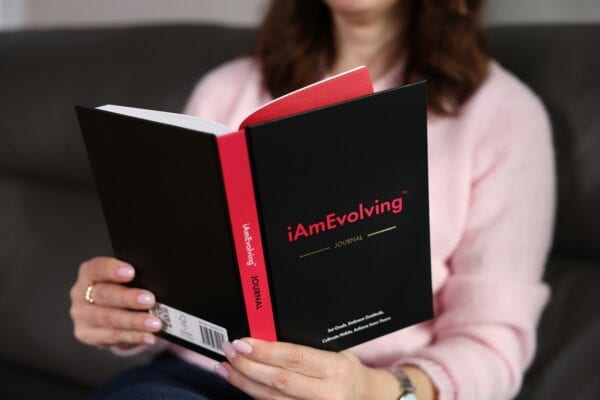
The Gratitude Journal: Your Daily Dose of Appreciation
This is perhaps the most established and scientifically proven gratitude habit.
Start Small, Stay Consistent
You don't need to write a novel. Begin with just three things you're genuinely thankful for each day. These can be monumental, like a career achievement, or utterly mundane, like a hot cup of coffee, the sun on your face, or a kind word from a stranger. The key is consistency. Make it a non-negotiable part of your morning or evening routine for at least three weeks to allow your brain to start forming new neural pathways. Remember the October 2025 finding from Rancho La Puerta: three weeks can alter your medial prefrontal cortex.
Focus on Specificity and Feeling
Instead of "I'm grateful for my family," try "I'm grateful for the way my child laughed today, it filled me with so much joy." Or, "I'm grateful for the delicious meal I had, it nourished me and I enjoyed sharing it." The more specific you are, and the more you connect with the feeling of gratitude, the more impactful the practice becomes. UCLA Health suggests just 15 minutes a day, 5 days a week, for 6 weeks, can cut depression.
Gratitude Meditations: Cultivating Mindful Appreciation
Combining mindfulness with gratitude amplifies its effects.
Guided Gratitude Meditations
There are abundant guided meditations available online (apps, YouTube). These often involve focusing on your breath while mentally listing things you're grateful for, or visualizing a person or experience that brings you joy. This helps to ground you in the present moment and redirect your attention away from stressors. NBC4 News reported on December 1, 2025, that psychiatrists attest daily gratitude rivals meditation in reducing depression and anxiety.
Sensory Gratitude
Take a moment to fully appreciate one of your senses. What do you see that you're grateful for? The intricate design of a leaf? The vibrant colours of a sunset? What do you hear? The birds chirping? A favourite song? What do you smell? Freshly baked bread? Rain on dry earth? Engaging your senses deepens your appreciation for the world around you.
Expressing Gratitude: The Power of Pro-Social Actions
Gratitude isn't just an internal state; it's also about connection.
Thank-You Notes and Messages
Regularly express your appreciation to others. A handwritten thank-you note, a thoughtful text, or a heartfelt email can make a profound difference to both the recipient and yourself. Studies, including an 800-person study mentioned in recent Science News, show that God-directed letters yield the strongest positive emotions, but any genuine expression of thanks is powerful. This fosters stronger relationships and reinforces your own sense of connection and purpose. MSU Extension Insights point to the boost in pro-social behavior.
The "Gratitude Visit"
This powerful exercise, often recommended by positive psychologists, involves writing a detailed letter of gratitude to someone who has positively impacted your life but whom you've never properly thanked. Then, arrange to meet them and read the letter aloud. The emotional impact on both parties is usually profound and lasting.
Gratitude as a Competing Response: Overcoming Negativity

Life happens. Stress, anxiety, and negative thoughts are inevitable. But you don't have to let them dominate your inner world. Gratitude
serves as a potent "competing response" to these unwelcome intruders. ADAA.org specifically recommends using gratitude as a counter to negativity and anxiety spirals.
Shifting Your Internal Dialogue
Your mind is constantly chattering. Gratitude provides a constructive script change.
Interrupting Negative Spirals
When you find yourself spiraling into worry, self-criticism, or despair, consciously pivot to gratitude. It’s not about ignoring your problems, but about giving your mind a different direction to travel in. If you're anxious about a future event, acknowledge the preparations you've made, the support system you have, or previous challenges you've overcome. This act of redirection, as noted by UCLA Health, enhances present focus.
Fostering Resilience in the Face of Adversity
Life will inevitably throw challenges your way. Gratitude doesn't eliminate these difficulties, but it equips you with a stronger emotional foundation to navigate them. By consistently acknowledging the good, even amidst hardship, you build resilience. You train your brain to seek out silver linings and learn from taxing experiences, rather than succumbing to them. Science News highlights that gratitude boosts resilience.
Grounding in the Present Moment
Anxiety often pulls you into worries about the future, while depression can anchor you to past regrets. Gratitude, by its very nature, grounds you in the here and now. When you appreciate the warmth of your blanket, the taste of your food, or the sound of your loved one's voice, you are fully present. This present-moment awareness is a cornerstone of peace and reduces the power of intrusive thoughts. ADAA.org confirms gratitude's role in present-moment grounding.
Sustaining Your Gratitude Practice: Making it a Lifelong Habit
| Gratitude Habits | Benefits |
|---|---|
| Keeping a gratitude journal | Increased positivity and happiness |
| Expressing gratitude to others | Improved relationships and connection |
| Practicing mindfulness | Reduced stress and anxiety |
| Focusing on the present moment | Enhanced sense of peace and contentment |
Like any beneficial habit, consistency is key. Initial enthusiasm might wane, but the long-term rewards of a grateful mind are well worth the sustained effort. You're not just adopting a practice; you're cultivating a lifestyle.
Strategies for Long-Term Engagement
Your brain is a creature of habit. Feed it gratitude consistently.
Integrate into Existing Routines
Stack your gratitude practice onto an existing habit. Before you drink your morning coffee, write in your gratitude journal. While you commute, mentally list three things you're thankful for. As you brush your teeth before bed, reflect on a positive moment from your day. This makes it easier to remember and reduces the effort barrier.
Find Your Preferred Method
Not everyone loves journaling. Some prefer meditation, others enjoy expressing gratitude verbally, and still others might find solace in focusing on nature. Experiment until you find the method (or combination of methods) that resonates most deeply with you. The more enjoyable the practice, the more likely you are to stick with it.
Gratitude Prompts and Reminders
Sometimes you need a little nudge. Set phone reminders, use gratitude apps, or even place sticky notes in visible places with prompts like "What brings you joy today?" or "Who are you thankful for?" These gentle reminders can re-engage your focus.
Share Your Gratitude
Talking about what you're grateful for with friends or family not only strengthens your bonds but also reinforces your own sense of appreciation. Hearing others share their gratitude can also inspire you and broaden your own perspectives. This further boosts relational well-being, as noted by Science News.
Be Patient and Forgiving
There will be days when gratitude feels forced, or you simply forget. That's perfectly normal. Don't beat yourself up. Just acknowledge it and gently redirect your attention back to your practice the next day. The goal isn't perfection, but consistent effort and a compassionate approach to your own journey.
As you embark on this journey, remember what researchers and mental health professionals, like the psychiatrist on NBC4 News, are consistently confirming: daily gratitude, over two decades of studies and involving tens of thousands of people, rivals meditation in its capacity to reduce depression and anxiety, improve sleep, and enhance heart health. It's not just a nice thought; it's a powerful intervention. By consciously choosing to focus on appreciation, you are not only cultivating a more peaceful mind for yourself but also contributing to a more positive and resilient you, ready to face the world with grace and strength. Your brain is waiting to be rewired; give it the gift of gratitude.
FAQs
What are gratitude habits?
Gratitude habits are daily practices or routines that help individuals cultivate a mindset of thankfulness and appreciation for the positive aspects of their lives.
Why are gratitude habits important for a peaceful mind?
Gratitude habits can help individuals shift their focus from negative thoughts to positive ones, leading to reduced stress, increased happiness, and a more peaceful state of mind.
What are some examples of gratitude habits?
Examples of gratitude habits include keeping a gratitude journal, expressing thanks to others, practicing mindfulness, and reflecting on the good things in life.
How can gratitude habits be incorporated into daily life?
Gratitude habits can be incorporated into daily life by setting aside time each day for gratitude practices, such as writing in a gratitude journal, expressing thanks to others, or simply taking a moment to appreciate the present moment.
What are the benefits of practicing gratitude habits?
Practicing gratitude habits can lead to improved mental and emotional well-being, reduced anxiety and depression, better relationships, and an overall sense of contentment and peace.