
You know that feeling when someone does something nice for you, and it just warms your heart? That’s gratitude. It’s that little spark of appreciation that makes you smile, whether it’s a friend bringing you coffee or a family member helping you with a chore. Gratitude isn’t just about saying “thank you.” It’s about recognizing the good things in your life, big or small, and feeling thankful for them.
Gratitude can change how you see the world. When you focus on what you have instead of what you lack, everything seems a bit brighter. It’s like putting on a pair of glasses that help you see the beauty around you. You start to notice the little things—a sunny day, a kind word from a coworker, or even just a moment of peace in a busy day. This shift in perspective can make a huge difference in how you feel day-to-day.
In exploring the concept of gratitude practices, you may find it beneficial to read a related article that delves deeper into the benefits of cultivating gratitude in daily life. This article discusses various techniques and strategies that can enhance your gratitude practice, making it more effective and meaningful. To learn more, visit this link for additional insights and tips.
Setting the Intention
Setting an intention is like planting a seed in your mind. When you decide to focus on gratitude, you’re telling yourself that you want to notice the good stuff more often. It’s not about forcing yourself to feel grateful; it’s about opening your eyes to what’s already there. You might start by thinking about one thing you appreciate each morning before your day gets busy.
You could even write it down or say it out loud. Maybe it’s your cozy bed, your favorite mug, or the laughter of your kids. Whatever it is, acknowledging it can help set a positive tone for your day. When you make gratitude a priority, it becomes easier to spot those moments of joy as they come along.
Daily Reflection

Taking a few minutes each day to reflect on what you’re grateful for can be really helpful. It doesn’t have to be a big production; just a quiet moment to think about the good things in your life can work wonders. You might find that at the end of the day, when everything feels hectic, recalling those little moments of joy can help calm your mind.
You could do this while sipping your morning coffee or right before bed. Think about what made you smile today. Maybe it was a compliment from a friend or a delicious meal. Reflecting on these moments helps reinforce that feeling of gratitude and makes it easier to notice them in the future.
Expressing Gratitude to Others

Sometimes, expressing gratitude to others can deepen your connections and brighten their day too. A simple “thank you” can go a long way, but going a step further can really show someone how much you appreciate them. You might write a note to a friend or send a text to let someone know how much they mean to you.
Think about the people in your life who have made a difference. Maybe it’s a coworker who always has your back or a family member who supports you through tough times. Letting them know how much they matter can strengthen your relationships and create a warm atmosphere around you.
In exploring the concept of gratitude practices, you might find it interesting to read about the benefits of self-care routines, such as the use of illuminating masks for skin rejuvenation. These practices not only enhance your physical appearance but can also contribute to a positive mindset, reinforcing the principles of gratitude and self-appreciation. For more insights on how self-care can play a role in your overall well-being, check out this article on the Lume Illumination Mask.
Gratitude Journaling
| Gratitude Practice | Description |
|---|---|
| Journaling | Writing down things you are grateful for each day |
| Reflection | Taking time to think about the positive aspects of your life |
| Expressing Thanks | Verbally or in writing, expressing gratitude to others |
| Mindfulness | Being present and appreciating the moment |
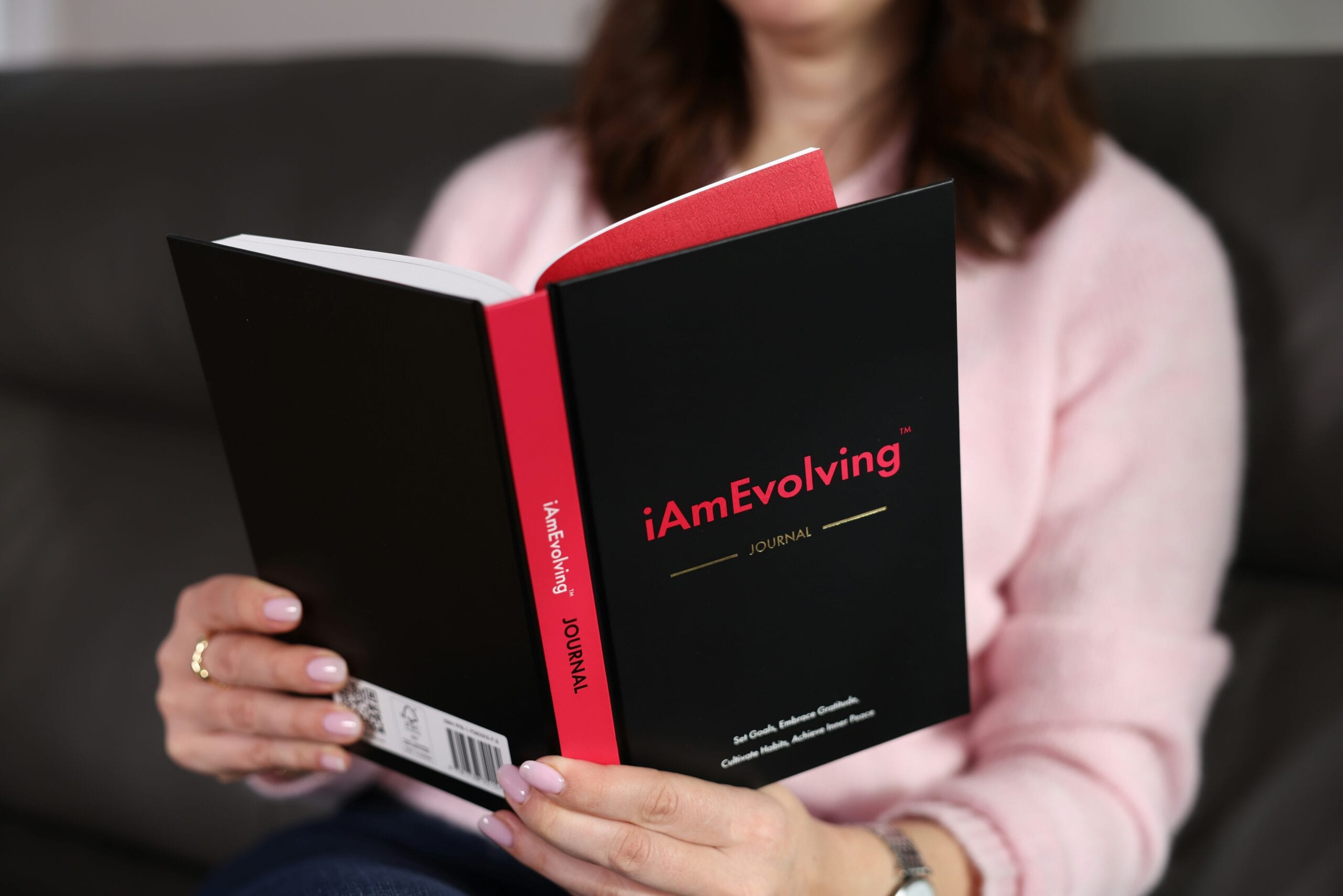
Gratitude journaling is like having a special place to keep all those good thoughts. You don’t need fancy supplies; just grab any notebook or even use an app on your phone. Each day, write down three things you’re grateful for. They can be as simple as enjoying a sunny afternoon or having a good chat with someone.
Over time, looking back at your entries can remind you of all the wonderful moments you've experienced. It’s like creating a treasure chest of happy memories that you can revisit whenever you need a boost. Plus, writing things down helps solidify those feelings of gratitude in your mind.
In exploring the benefits of a gratitude practice, you might find it interesting to consider how other daily habits can influence your overall well-being. For instance, a recent article discusses the role of coffee in shaping daily routines and its impact on mental clarity and mood. This connection highlights how simple rituals, like enjoying a cup of coffee, can complement a gratitude practice and enhance your day. To learn more about this fascinating relationship, check out the article on how coffee shapes your daily routine here.
Mindfulness and Gratitude
Mindfulness is all about being present in the moment, and when you combine it with gratitude, magic happens. When you're mindful, you're paying attention to what's happening right now instead of worrying about the past or future. This awareness allows you to appreciate the little things more deeply.
You might try taking a few deep breaths and focusing on your surroundings. Notice the colors, sounds, and smells around you. As you do this, think about what you're grateful for in that moment—maybe it's the warmth of the sun on your skin or the sound of laughter nearby. This practice can help ground you and make gratitude feel more real.
Gratitude Meditation
Meditation doesn’t have to be complicated; it can be as simple as sitting quietly and focusing on your breath. When you add gratitude into the mix, it becomes even more special. You might start by taking deep breaths and then thinking about something or someone you're thankful for.
As thoughts come to mind, let them flow without judgment. Picture that person or moment clearly in your mind and feel the warmth of gratitude fill your heart. This practice can help calm your mind and create a sense of peace while reinforcing those feelings of appreciation.
Cultivating Gratitude in Relationships
Gratitude isn’t just an individual practice; it can also strengthen your relationships with others. When you express appreciation for those around you, it creates an atmosphere of kindness and support. Think about how often we take our loved ones for granted—making an effort to show gratitude can change that.
You might start small by complimenting someone or thanking them for something they did recently. Over time, these little gestures can build stronger bonds and create a more positive environment in your home or workplace.
Gratitude Rituals
Creating rituals around gratitude can make it feel more special and intentional. Maybe every Sunday evening, your family gathers to share one thing they appreciated from the past week. This not only encourages everyone to reflect but also brings everyone closer together.
You could also create personal rituals, like lighting a candle while thinking about what you're grateful for each morning or evening. These small acts can help remind you to pause and appreciate life’s little gifts regularly.
Gratitude in Challenging Times
Life isn’t always easy, and sometimes it feels like everything is going wrong. In those tough moments, finding something to be grateful for can feel impossible. But even during hard times, there are usually small glimmers of hope if we look closely enough.
Maybe it's the support of friends or family during difficult days or even just having a warm meal at the end of a long day. Acknowledging these small blessings can help shift your focus from what’s wrong to what’s still good in your life.
Incorporating Gratitude into Daily Life
Incorporating gratitude into your daily routine doesn’t have to be complicated. It can be as simple as taking a moment each day to pause and appreciate something around you—like the beauty of nature during your walk or the comfort of home after a long day.
You might also consider setting reminders on your phone to prompt you to think about what you're grateful for throughout the day. These little nudges can help keep gratitude at the forefront of your mind and make it easier to notice all the good things life has to offer.
Reflecting on these ideas can help deepen your understanding of gratitude and how it fits into everyday life:
1. What are three things you're grateful for today?
2. How can you express gratitude to someone in your life this week?
3. What small ritual could you create to remind yourself to practice gratitude regularly?
As a small action step, try writing down three things you're grateful for each evening before bed this week. It might surprise you how much joy those little reflections can bring!
FAQs
What is a gratitude practice?
A gratitude practice involves intentionally focusing on and appreciating the positive aspects of life, acknowledging the good things that happen, and expressing thanks for them.
What are some common ways to practice gratitude?
Common ways to practice gratitude include keeping a gratitude journal, writing thank-you notes, expressing appreciation to others, meditating on what you are grateful for, and simply taking time to reflect on the good things in your life.
What are the benefits of a gratitude practice?
Research has shown that practicing gratitude can lead to improved mental and physical health, increased happiness and life satisfaction, better relationships, and a more positive outlook on life.
How often should I practice gratitude?
There is no set rule for how often you should practice gratitude, but many people find it helpful to incorporate it into their daily routine, such as by writing in a gratitude journal each evening or taking a few moments each morning to reflect on what they are grateful for.
How can I start a gratitude practice?
To start a gratitude practice, you can begin by simply taking a few minutes each day to think about what you are grateful for and to express thanks for those things. You can also consider keeping a gratitude journal or finding other ways to incorporate gratitude into your daily life.