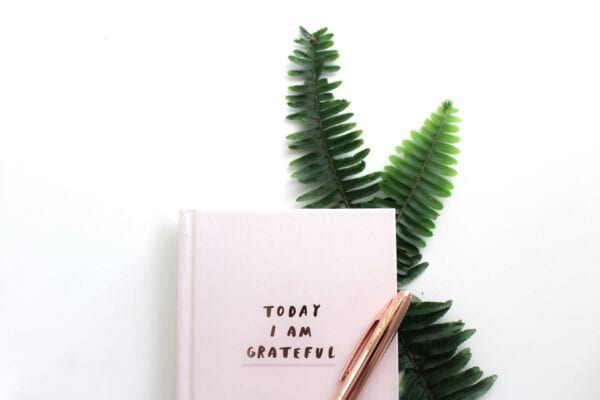

You know those days when everything seems to go wrong? Maybe you spill coffee on your shirt right before a meeting, or your kid throws a tantrum just as you’re about to leave the house. It’s easy to get caught up in the chaos and forget about the good stuff. But when you take a moment to think about it, there’s usually something to be thankful for, even on the toughest days. Gratitude isn’t just a nice idea; it can actually change how you feel about life.
When you focus on what you’re grateful for, it can shift your mood. Studies show that people who practice gratitude regularly tend to be happier and less stressed. It’s like putting on a pair of glasses that help you see the bright side of things. Instead of dwelling on what’s missing or what went wrong, gratitude helps you appreciate what you have. It’s a simple yet powerful way to improve your overall well-being.
If you're looking for additional insights on cultivating gratitude during challenging times, you might find this article helpful: Black Old Bike Parked Beside White Wall. It explores the importance of finding beauty and appreciation in everyday moments, which can significantly enhance your sense of gratitude, even when life feels overwhelming.
Practicing Mindfulness to Cultivate Gratitude
Have you ever found yourself rushing through your day, barely noticing what’s happening around you? Maybe you’re driving to work, and suddenly you realize you don’t even remember the last few minutes. Mindfulness is all about being present in the moment, and it can really help you notice the little things that make life special. When you practice mindfulness, you start to see the world differently.
Taking a few moments each day to pause and breathe can open your eyes to what’s around you. Whether it’s the warmth of the sun on your face or the sound of laughter from your kids, these small moments can spark feelings of gratitude. You might find that simply being aware of your surroundings helps you appreciate them more. It’s like turning up the volume on the good stuff in life.
Keeping a Gratitude Journal

Have you ever thought about writing down what you’re thankful for? Keeping a gratitude journal can be a great way to reflect on the positive aspects of your life. It doesn’t have to be fancy; just a simple notebook will do. Each day, take a few minutes to jot down three things that made you smile or brought you joy. They can be big or small—like a delicious meal or a kind word from a friend.
Over time, you’ll start to notice patterns in what makes you happy. Maybe it’s spending time with family or enjoying a quiet moment with a cup of tea. Looking back at your entries can remind you of all the good things, especially when life gets tough. It’s like having a little treasure chest of positivity that you can turn to whenever you need a boost.
Expressing Gratitude to Others

Think about the last time someone did something nice for you. How did it make you feel? Now imagine if you took a moment to tell them how much it meant to you. Expressing gratitude to others not only makes them feel good but also strengthens your relationships. A simple “thank you” can go a long way in brightening someone’s day.
You don’t have to wait for special occasions to show appreciation. Whether it’s a coworker who helped with a project or a friend who listened when you needed to vent, letting them know they matter can create a positive ripple effect. You might even inspire them to pay it forward, spreading gratitude further into the world.
Feeling grateful during stressful times can be challenging, but exploring different strategies can help you cultivate a more positive mindset. One helpful resource is an article that discusses practical techniques for enhancing gratitude even when life feels overwhelming. You can read more about these strategies in this insightful piece on gratitude and stress management. By incorporating these practices into your daily routine, you may find it easier to appreciate the small joys in life, even amidst chaos.
Finding Joy in the Little Things
| Strategies | Benefits |
|---|---|
| Keep a gratitude journal | Increased positive emotions, better sleep, and reduced stress |
| Practice mindfulness | Improved focus, reduced anxiety, and increased feelings of gratitude |
| Express gratitude to others | Strengthened relationships, increased happiness, and reduced depression |
| Focus on the present moment | Reduced worry about the future and increased appreciation for the present |
| Volunteer or help others | Increased sense of purpose, improved self-esteem, and enhanced feelings of gratitude |
Sometimes, it’s easy to overlook the small joys in life. Maybe it’s the smell of fresh coffee in the morning or the sound of rain tapping against the window. These little moments can bring so much happiness if we take the time to notice them. Finding joy in everyday life is all about shifting your focus from big events to simple pleasures.
Try taking a walk and really paying attention to your surroundings. Notice the colors of the leaves, the laughter of children playing, or even the taste of your favorite snack. When you start appreciating these small things, they can add up and create a sense of contentment that lasts throughout your day.
Focusing on What You Have, Not What You Lack
It’s easy to get caught up in wanting more—more money, more time, more success. But when you focus on what you already have, it can change your outlook completely. Think about your home, your family, and your friends. These are all things that bring value to your life, even if they sometimes feel ordinary.
When you catch yourself wishing for something else, try flipping the script. Instead of thinking about what’s missing, remind yourself of what’s already there. This shift in perspective can help reduce feelings of envy and dissatisfaction, allowing you to appreciate your life as it is right now.
Shifting Your Perspective on Challenges
Life isn’t always smooth sailing; we all face challenges from time to time. But instead of viewing them as roadblocks, try seeing them as opportunities for growth. When something difficult happens, ask yourself what you can learn from it or how it might help you become stronger.
For example, if you’re dealing with a tough situation at work, think about how overcoming it could improve your skills or resilience. This doesn’t mean ignoring your feelings; it’s okay to feel frustrated or sad. But by shifting your perspective, you might find that challenges can lead to unexpected blessings.
Engaging in Acts of Kindness
Have you ever noticed how good it feels to help someone else? Whether it’s holding the door open for someone or volunteering at a local charity, acts of kindness can boost your mood and create a sense of connection with others. When you do something nice for someone else, it often reminds you of the goodness in the world.
You don’t have to do grand gestures; even small acts can make a difference. Maybe it’s sending a text to check on a friend or leaving a positive note for a coworker. These little moments not only brighten someone else’s day but also fill your heart with gratitude for being able to make an impact.
Surrounding Yourself with Positive Influences
Think about the people in your life—do they lift you up or bring you down? Surrounding yourself with positive influences can make a big difference in how you feel day-to-day. When you're around people who are grateful and optimistic, their energy can rub off on you.
Try spending more time with friends and family who inspire you or make you laugh. Their positivity can help shift your mindset and encourage you to focus on the good things in life. Plus, sharing moments of gratitude together can strengthen those bonds even more.
Seeking Support from Loved Ones
Sometimes life gets overwhelming, and that’s okay! It’s important to remember that you don’t have to go through tough times alone. Reaching out for support from loved ones can provide comfort and perspective when things feel heavy.
Whether it’s talking about your feelings over coffee or simply spending time together doing something fun, connecting with others can remind you of all the good things in life. You might find that sharing your struggles opens up space for gratitude as well—both for the support and for the lessons learned along the way.
Incorporating Gratitude into Daily Rituals
Creating daily rituals around gratitude can help make it a regular part of your life. Maybe it’s taking a moment each morning to think about what you're thankful for before starting your day or sharing one good thing that happened at dinner with your family.
These small practices can help keep gratitude at the forefront of your mind and create a positive atmosphere in your home or workplace. Over time, these rituals can become second nature, making it easier to appreciate life’s blessings every day.
Reflecting on these ideas can help deepen your understanding of gratitude and its role in everyday life:
1. What are three things you're grateful for today?
2. How do challenges shape your perspective on gratitude?
3. Who in your life could use some appreciation right now?
As a small action step, try writing down one thing you're thankful for each day this week and share it with someone close to you!
FAQs
What are some practical ways to feel more grateful when life is stressful?
Some practical ways to feel more grateful when life is stressful include keeping a gratitude journal, practicing mindfulness and meditation, expressing gratitude to others, and focusing on the present moment.
How does practicing gratitude benefit mental health?
Practicing gratitude has been shown to benefit mental health by reducing stress, increasing positive emotions, improving self-esteem, and fostering resilience in the face of adversity.
Can gratitude help in coping with difficult situations?
Yes, gratitude can help in coping with difficult situations by shifting the focus from negative thoughts to positive aspects of life, providing a sense of perspective, and promoting a more optimistic outlook.
What are some simple ways to incorporate gratitude into daily life?
Simple ways to incorporate gratitude into daily life include starting and ending the day with a gratitude practice, writing thank-you notes, savoring positive experiences, and reflecting on the things you are thankful for.
How can gratitude improve overall well-being?
Gratitude can improve overall well-being by enhancing relationships, promoting physical health, increasing empathy and compassion, and fostering a sense of interconnectedness with others and the world.