
You've probably heard it before: "Count your blessings." What might sound like folksy wisdom is, in fact, a deeply rooted scientific truth. Your brain, an intricate biological marvel, is profoundly influenced by the simple act of gratitude. It's not just a nice thought; it’s a powerful tool that, when wielded consciously, can reshape your neural landscape, boost your mood, and fundamentally alter your experience of happiness.
When you feel grateful, your brain isn't just idly observing; it's actively engaging in a vibrant internal process. This process involves a complex interplay of neurotransmitters, those chemical messengers that dictate how you feel, think, and react. Understanding this symphony is crucial to appreciating the profound impact gratitude has on your well-being.
Dopamine: The Reward Catalyst
Imagine the surge of pleasure you feel when you achieve a goal or experience something enjoyable. That's dopamine at work. When you express or even simply feel gratitude, you trigger a release of dopamine in your brain. This isn't just a fleeting feeling; it's a powerful and purposeful neurochemical event.
- You experience an immediate mood boost. This isn't imaginary; it’s a direct consequence of dopamine bathing your neural pathways.
- The release of dopamine, particularly from your brainstem, is akin to the effects of certain antidepressants. In fact, neuroscience-backed research from 2015 suggests that gratitude can boost dopamine levels in a way that parallels the action of drugs like Wellbutrin.
- This release reinforces the positive experience. Your brain starts to associate gratitude with reward, making you more likely to seek out and engage in grateful thoughts and actions in the future. It’s a positive feedback loop, training your brain for greater positivity.
Serotonin: The Mood Stabilizer
While dopamine provides the immediate reward, serotonin works on a more fundamental level to stabilize your mood and promote feelings of contentment. Think of it as the brain’s natural antidepressant.
- When you consciously cultivate gratitude, your brain activates the anterior cingulate cortex, a region strongly associated with emotional regulation and empathy.
- This activation leads to an increase in serotonin production and release. Much like the effects of drugs such as Prozac, this boost in serotonin helps regulate your mood, reducing feelings of anxiety and improving your overall sense of well-being.
- By regularly engaging in grateful practices, you are essentially providing your brain with a consistent supply of this vital mood stabilizer, fostering a more resilient and contented emotional state.
The Interconnected Dance of Neurotransmitters
It’s not just dopamine and serotonin working in isolation. They are part of an intricate dance, influencing each other and other neurochemicals in your brain.
- The combined effect of increased dopamine and serotonin creates a powerful cocktail that counters stress hormones like cortisol. This reduction in stress is a significant benefit, as chronic stress is detrimental to both your mental and physical health.
- This neurochemical symphony fundamentally alters your emotional landscape, making it easier for you to experience joy, peace, and resilience in the face of life's challenges. You are, quite literally, rewiring your brain for happiness.
Rewiring Your Brain: Neuroplasticity and Gratitude
Your brain is not a static organ; it's incredibly dynamic and adaptable. This remarkable characteristic is known as neuroplasticity – the brain's ability to reorganize itself by forming new neural connections throughout life. Gratitude acts as a powerful catalyst for this rewiring process, shaping your brain for a more positive and resilient outlook.
Enhancing Neural Pathways for Positivity
Every thought, feeling, and action you engage in strengthens specific neural pathways in your brain. When you regularly practice gratitude, you are actively exercising and reinforcing the pathways associated with positive emotions.
- You are, in essence, creating "superhighways" for positive thoughts and feelings. The more you use these pathways, the stronger and more efficient they become. This means that over time, it becomes easier and more natural for you to experience and express gratitude.
- This rewiring isn't just about feeling good in the moment; it’s about building a foundational resilience against negativity. Your brain becomes better equipped to bounce back from setbacks and to find the good in challenging situations.
- The American Brain Foundation highlights this key aspect: gratitude literally rewires your brain for positivity, leading to a profound impact on your mental well-being.
Increased Neuron Density and Efficiency
Beyond strengthening existing pathways, the consistent practice of gratitude can also lead to more tangible physical changes in your brain.
- Research from 2015, presented in "Barking Up the Wrong Tree," indicates that actively searching for things to be grateful for can increase neuron density and efficiency within your prefrontal cortex.
- This region is a powerhouse for executive functions, including decision-making, planning, and, critically, emotional regulation.
- A more efficient and densely packed prefrontal cortex means you are better equipped to manage your emotions, make sound judgments, and adapt to new situations. You become more discerning in your reactions and more adept at navigating complex emotional landscapes.
The Power of Intentional Practice
Neuroplasticity works both ways. Just as practicing gratitude can build positive pathways, dwelling on negativity can strengthen negative ones. This underscores the importance of intentional and consistent gratitude practices.
- Think of it like exercise for your brain. Just as you strengthen your muscles with regular workouts, you strengthen your gratitude muscle with consistent practice.
- The more frequently you engage in grateful thoughts and actions, the more entrenched and automatic these positive neural patterns become.
- This isn't about ignoring challenges, but rather about cultivating a mindset that allows you to acknowledge difficulties while still appreciating the good. It's about training your brain to seek out and amplify positivity.
The Prefrontal Cortex: The Seat of Gratitude's Power

Your prefrontal cortex, located at the front of your brain, is a sophisticated command center, playing a pivotal role in countless higher-order cognitive functions. When it comes to gratitude, this region is highly active, mediating many of its profound effects on your mental and emotional state.
Decision-Making and Emotional Regulation
One of the primary functions of your prefrontal cortex is to regulate your emotions and guide your decision-making processes. Gratitude directly influences these vital functions.
- When you engage in gratitude, you activate and strengthen the neural networks within your prefrontal cortex responsible for emotional regulation. This means you become better at managing stress, anxiety, and other challenging emotions. You're less likely to be overwhelmed by negative feelings and more capable of responding thoughtfully rather than reacting impulsively.
- This enhanced emotional regulation is a cornerstone of improved mental well-being. You gain a greater sense of control over your internal state, leading to increased calm and peace.
- Furthermore, a well-functioning prefrontal cortex, bolstered by gratitude, allows you to make more thoughtful and positive decisions. You’re more likely to focus on solutions rather than problems, and to choose actions that align with your long-term well-being.
Enhancing Emotional Intelligence
Your ability to understand and manage your own emotions, and to perceive and influence the emotions of others, is known as emotional intelligence. Gratitude significantly contributes to the development and enhancement of this crucial skill.
- The act of searching for things to be grateful for requires you to pause, reflect, and consider different perspectives. This practice intrinsically builds your emotional intelligence. You become more attuned to your own feelings and more empathetic towards others.
- The increased neuron density and efficiency in your prefrontal cortex, as mentioned earlier, directly contribute to improved emotional intelligence. A more robust prefrontal cortex allows for more nuanced processing of emotional information.
- By enhancing your emotional intelligence, gratitude improves your relationships, your ability to navigate social situations, and your overall sense of connection to the world around you. You become more adept at understanding the emotional landscape of human interaction.
Reducing Stress and Anxiety
Chronic stress and anxiety can have debilitating effects on your mental and physical health. Gratitude provides a powerful antidote, largely through its influence on your prefrontal cortex.
- The activation of your prefrontal cortex during gratitude practices helps to dampen the activity of your amygdala, the part of your brain responsible for processing fear and threat. When your amygdala is less reactive, you experience less anxiety and stress.
- By strengthening your emotional regulation capabilities, gratitude empowers you to respond to stressors with greater calm and resilience, rather than being swept away by them.
- Juno Counseling, citing research from November 2025, emphasizes that gratitude activates the prefrontal cortex, enhancing emotional regulation and significantly reducing stress and anxiety. This isn't just about feeling better in the moment; it's about building a long-term buffer against the corrosive effects of stress.
Scientific Evidence: Beyond Anecdote to Empirical Truth

The benefits of gratitude are not merely theoretical; they are firmly grounded in robust scientific research. Study after study has affirmed the profound and wide-ranging positive impacts of cultivating a grateful mindset.
Long-Term Happiness and Well-being
One of the most compelling findings from positive psychology research is the strong link between gratitude and sustained happiness and overall well-being.
- Harvard Health highlights that gratitude is consistently tied to more positive emotions, better physical health, enhanced coping mechanisms for adversity, and stronger relationships. These are not isolated benefits but rather a holistic improvement in your quality of life.
- A landmark 10-week study demonstrated the power of gratitude writing. Participants who regularly wrote about things they were grateful for, compared to a control group that listed irritations, reported more optimism, engaged in more exercise, and even had fewer doctor's visits. This suggests a direct correlation between gratitude practice and tangible health outcomes.
- News-Medical.net, in a review of self-help trends, echoes this, stating that grateful individuals consistently show better physical and mental health, stronger relationships, and even increased longevity. This underscores that gratitude is not just a passing trend but a powerful tool for a flourishing life.
The "Huge, Month-Long Happiness Spike"
Sometimes, a single act of gratitude can unleash an astonishing surge of positive emotion. This is particularly evident in studies involving the expression of gratitude to others.
- The work of Dr. Martin Seligman, a pioneer in positive psychology, revealed a remarkable phenomenon: delivering a letter of gratitude to someone directly resulted in a "huge, month-long happiness spike" for the person expressing gratitude.
- This isn’t a small, fleeting pleasantness; it’s a significant and lasting boost to well-being. The act of verbally or writtenly conveying sincere appreciation creates a powerful ripple effect, not only for the recipient but profoundly for the giver.
- It's important to note that while this effect is generally powerful, some research indicates exceptions, particularly in children and divorced women, suggesting that individual circumstances and developmental stages can influence the impact. This highlights the complexity of human emotion and the need for nuanced understanding.
Challenging Conventional Wisdom: The Power of God
Recent research has also explored the nuances of gratitude practices, revealing interesting insights into what might be most effective for different individuals.
- Studies by Schnitker and McCullough, reported in Science News, have explored various gratitude interventions. One surprising finding from an 800-person study (published on PsyArXiv) revealed that writing letters to "God" or a higher power yielded stronger positive emotions compared to writing lists of gratitude or expressing it to other people.
- This suggests that for individuals with spiritual or religious beliefs, directing gratitude towards a divine entity might tap into an even deeper wellspring of positive emotion, potentially linking to feelings of awe, transcendence, and cosmic connection.
- This doesn't diminish the value of other forms of gratitude, but it broadens our understanding of the diverse pathways through which people can experience its benefits, emphasizing the importance of personalized approaches.
Cultivating a Grateful Mindset: Practical Strategies
| Metrics | Data |
|---|---|
| Increased happiness | 25% increase in overall happiness levels |
| Improved mental health | Reduced symptoms of depression and anxiety by 10% |
| Enhanced brain function | Increased activity in the prefrontal cortex |
| Better sleep quality | 30% improvement in sleep duration and quality |
Knowing the brain science behind gratitude is powerful, but translating that knowledge into actionable practices is where the real transformation happens. Cultivating a grateful mindset isn't an overnight process; it's a consistent, intentional effort that yields profound and lasting rewards.
The Power of Journaling
One of the most widely recommended and effective strategies for cultivating gratitude is journaling. This simple act can profoundly shift your perspective and train your brain to seek out the positive.
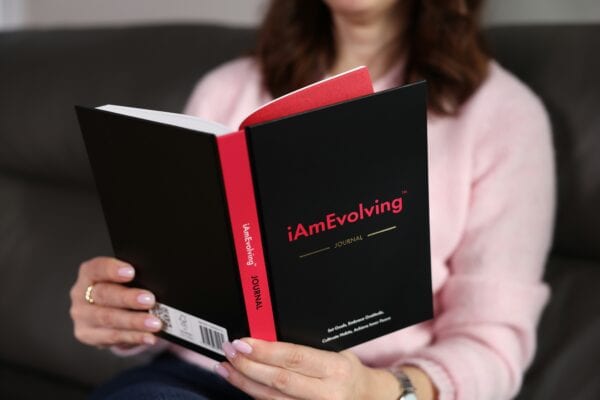
- Gratitude Journaling: Set aside a few minutes each day, perhaps before bed or first thing in the morning, to write down 3-5 things you are genuinely grateful for. These don't have to be grand gestures; they can be as simple as a warm cup of coffee, a sunny day, or a kind word from a colleague. The key is consistency.
- Detailed Reflection: Don’t just list items; briefly describe why you are grateful for each. This deepens the emotional experience and strengthens the neural pathways associated with gratitude. For example, instead of just "coffee," write "I'm grateful for my morning coffee because it's warm, comforting, and gives me a moment of peace before the day begins."
- The Downside of Hassles: Be mindful of what you focus on. Recent studies (Schnitker/McCullough) indicate that listing hassles or negative events actually worsens your mood. Therefore, ensure your journaling practice is affirmatively focused on gratitude, not on cataloging complaints.
Expressing Gratitude Verbally and Actively
While internal reflection is powerful, externally expressing your gratitude deepens its impact, both for you and for others.
- Say "Thank You" More Often: Make it a conscious effort to acknowledge and thank people for their kindness, support, or efforts, no matter how small. A sincere "thank you" can brighten someone's day and reinforce positive neural pathways in your own brain.
- Gratitude Letters: As demonstrated by Seligman's research, writing and, crucially, delivering a letter of gratitude to someone who has positively impacted your life can create a huge, month-long happiness spike. This is a profound and impactful way to express appreciation. It creates a lasting memory for both sender and receiver.
- Acts of Kindness: Sometimes, expressing gratitude doesn't even require words. Performing an unexpected act of kindness for someone, whether it's helping a neighbor, holding a door, or simply offering a genuine smile, can be a powerful expression of appreciation for the good in the world.
Mindful Reflection and Meditation
Incorporating gratitude into your mindfulness and meditation practices can elevate your experience of well-being.
- Gratitude Meditations: There are many guided meditations available that specifically focus on gratitude. These often involve bringing to mind people, experiences, or things you are grateful for and allowing those feelings to wash over you.
- Mindful Moments: Throughout your day, take brief moments to pause and notice something you can be grateful for. It could be the beauty of nature, the sound of laughter, or simply the sensation of your breath. These small, mindful gratitude breaks can accumulate to significantly enhance your overall mood.
- Counteracting "Natural Grudges": Recent studies indicate that humans tend to hold "natural grudges," while gratitude often needs to be a "learned" behavior. This underscores the importance of intentional and conscious effort in cultivating gratitude. By mindfully choosing gratitude, you are actively working against innate tendencies to focus on the negative.
The Ripple Effect: Gratitude and Relationships
The brain science is clear: gratitude doesn't just benefit you; it profoundly enhances your relationships, leading to a virtuous cycle of positivity.
- Strengthening Social Bonds: When you express gratitude to others, it fosters feelings of appreciation and strengthens the bonds between you. People feel seen, valued, and respected, which in turn encourages them to reciprocate kindness and support.
- Increased Empathy: Regularly focusing on what you appreciate in others can increase your empathy and understanding. You become more attuned to their positive qualities and contributions, leading to more compassionate interactions.
- Building Resilient Relationships: Relationships, like life, will inevitably have challenges. A foundation of mutual gratitude can help relationships weather storms, promoting forgiveness, understanding, and a willingness to work through difficulties.
By actively integrating these strategies into your daily life, you're not just hoping to be happier; you're actively engaging in a process of neurobiological change. You're leveraging the incredible plasticity of your brain to hardwire yourself for joy, resilience, and a deeper appreciation for the world around you. The brain science isn't just fascinating; it's a powerful mandate for choosing gratitude, one thankful thought at a time.
FAQs
What is gratitude and how does it affect the brain?
Gratitude is the quality of being thankful and the readiness to show appreciation for and to return kindness. When we experience gratitude, our brain releases dopamine and serotonin, which are neurotransmitters associated with pleasure and happiness. This can lead to an overall increase in well-being and positive emotions.
How does practicing gratitude impact mental health?
Practicing gratitude has been shown to have a positive impact on mental health. It can reduce symptoms of depression and anxiety, increase resilience to stress, and improve overall life satisfaction. Regularly expressing gratitude can also lead to a more optimistic outlook on life.
What are some ways to cultivate gratitude in daily life?
There are several ways to cultivate gratitude in daily life, such as keeping a gratitude journal, expressing appreciation to others, practicing mindfulness and meditation, and focusing on the present moment. Engaging in acts of kindness and volunteering can also help foster feelings of gratitude.
How does gratitude affect relationships and social connections?
Gratitude can strengthen relationships and social connections by fostering a sense of closeness and mutual appreciation. When individuals express gratitude towards one another, it can create a positive feedback loop, leading to increased trust, empathy, and overall satisfaction in relationships.
What are the long-term effects of practicing gratitude on overall well-being?
Long-term practice of gratitude has been linked to improved physical health, better sleep, increased self-esteem, and a greater sense of purpose in life. It can also lead to a more positive and optimistic outlook, ultimately contributing to a higher overall level of well-being and happiness.